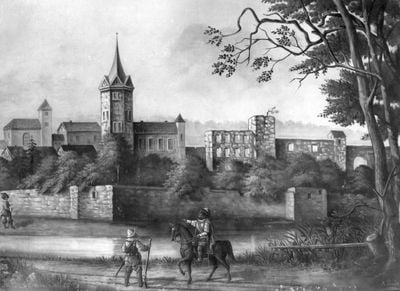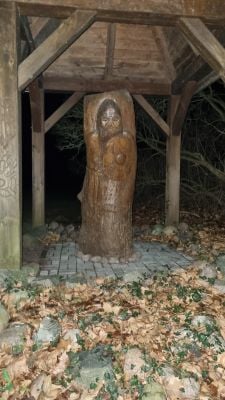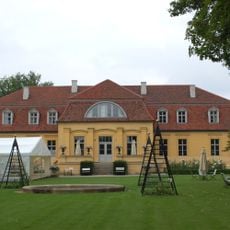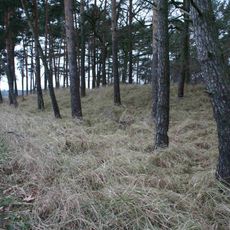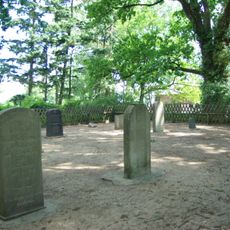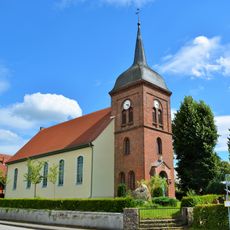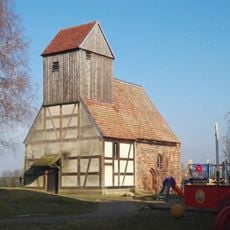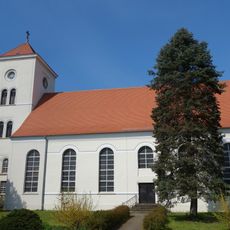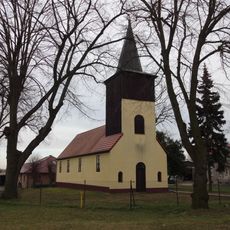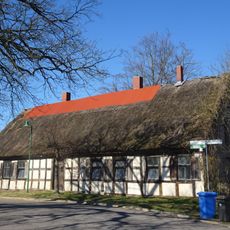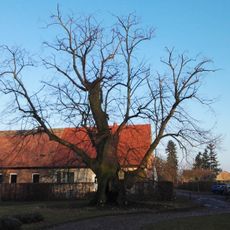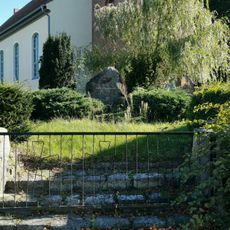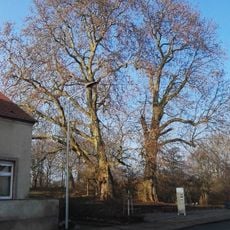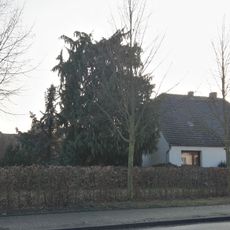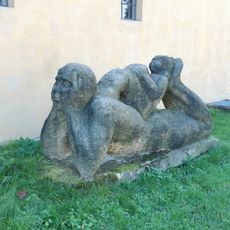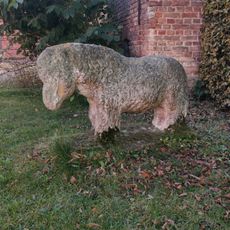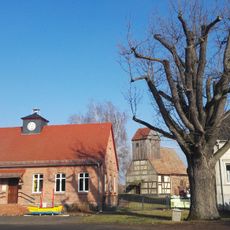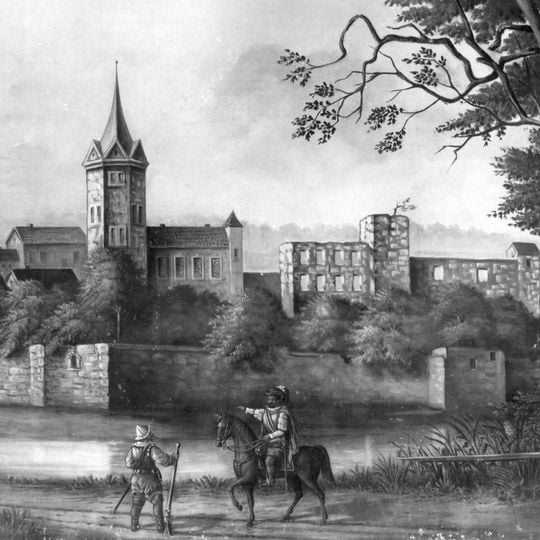
Burg Friesack, Medieval castle in Friesack, Germany.
Burg Friesack is a medieval castle on marshland in Brandenburg with defensive walls and foundations adapted to the wet ground conditions of the region. The structure features reinforced walls designed to withstand the challenging terrain beneath it.
The castle was originally built as a Slavic fortification before 1150 and gained importance when Albrecht the Bear incorporated it into the March of Brandenburg. This shift marked a turning point in regional control from Slavic to Germanic rule.
The castle takes its name from Frisian settlers who built dams through the marshlands of the region during medieval times. This heritage shapes how locals and visitors today understand the place as evidence of early medieval settlement.
The site is registered as a heritage monument and can be viewed from the exterior with foot access across the marshy ground. Well-maintained paths circle the castle grounds and provide the best way to explore the site.
In 1414 the castle fell to Frederick VI through the use of a large cannon called Faule Grete, marking a milestone in the development of siege warfare. This event shows how new weapon technology transformed medieval military tactics.
The community of curious travelers
AroundUs brings together thousands of curated places, local tips, and hidden gems, enriched daily by 91,272 contributors worldwide.