Lützelhardt Castle, Medieval castle ruins in Seelbach, Germany
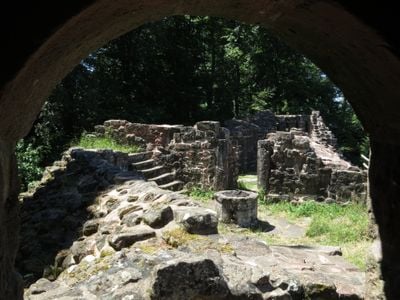
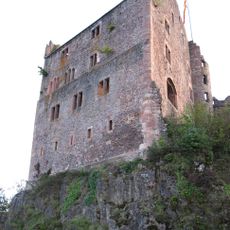
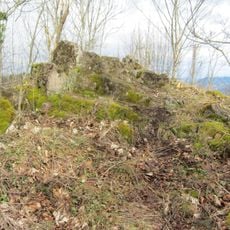
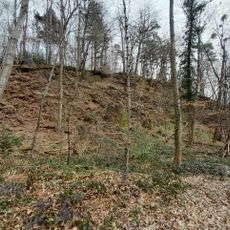
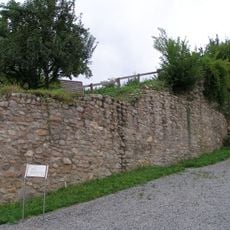
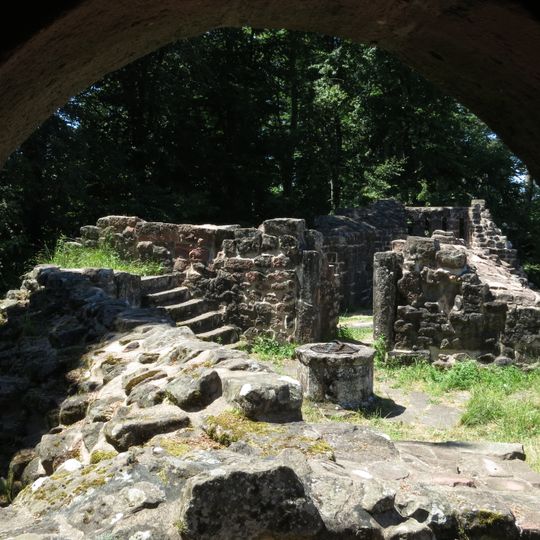
Lützelhardt is the ruin of a medieval rock castle on three rocks up to 10 metres high, about 460 metres above sea level east of Seelbach. The three parts were probably once linked by a palisade. Most standing walls date from excavations and reconstructions of 1926 to 1929. The main house keeps Romanesque palace windows and a dragon relief; inside are a medieval cistern and a pouring stone.
The castle was probably built in the early 12th century by the Zähringen family to secure the pass road into the Kinzig valley. Around 1245, during disputes between the Staufers and the bishops of Strasbourg, it was destroyed by the lords of Geroldseck, who sided with the bishops. The nearby Hohengeroldseck castle then took over guarding the pass.
The name comes from the Old High German lucilinhart, meaning "small forest", a rare castle name in German-speaking lands. A local legend, the Grüselhorn, tells that a lord of Geroldseck was abducted to Lützelhardt, recognised the sound of a familiar horn call, revealed his whereabouts and freed himself; the castle was said to have been destroyed afterwards.
The ruins can be reached by following marked trail signs from a parking area with a walk of about 20 minutes. The terrain is uneven and requires sure footing, especially on the rocky sections.
The name Lützelhardt comes from the Old High German lucilinhart, meaning "small forest" — a rare castle name in German-speaking lands. A branch of the family produced Konrad von Lützelhardt, nicknamed Mosca-in-Cervello ("fly in the brain"), a key official of the Staufen administration in Italy and margrave of Molise under Henry VI.
The community of curious travelers
AroundUs brings together thousands of curated places, local tips, and hidden gems, enriched daily by 94,540 contributors worldwide.