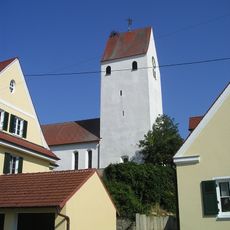
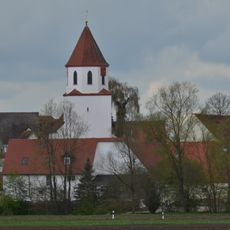
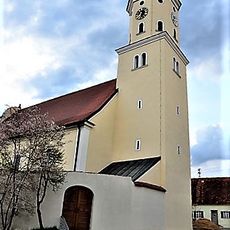
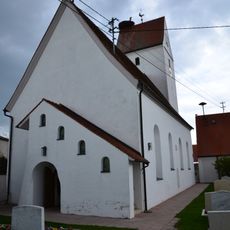
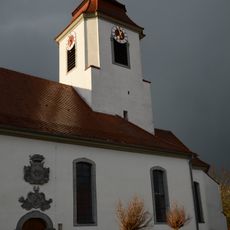
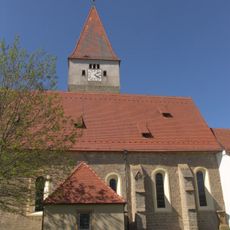
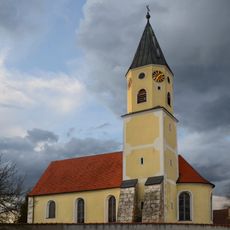
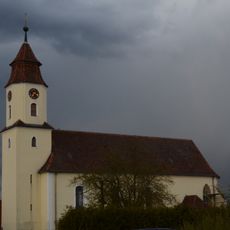
Burg Alerheim, Castle ruin in Alerheim, Germany.
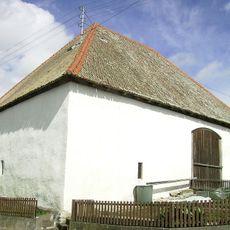
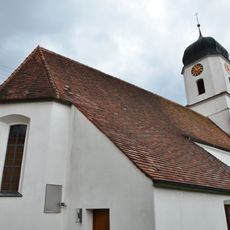
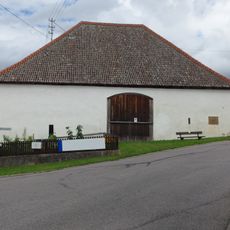
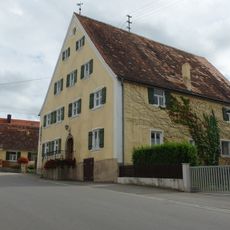
Burg Alerheim is a castle ruin located on elevated ground south of the village, retaining sections of its original walls and a gate structure. The site displays typical medieval defensive architecture with a compact layout and thick stone construction.
The date of the first castle is unknown; literature assumes a Carolingian fort, and after 1137 Alerheim counted among the imperial castles. In 1235 Emperor Frederick II held his rebellious son, King Henry (VII), in custody here before moving him to Apulia. Around 1300 the counts of Truhendingen held it, from 1363 the bishopric of Eichstätt, and from 1444 to 1484 the imperial city of Nördlingen. Imperial troops took and destroyed it in 1634.
The name Alerheim is tied to the noble family documented here from 1129, when Hartmann von Alerheim appears in records; he was the same person as Hartmann von Auhausen, founder of the Lobdeburg dynasty in the Saale valley from 1133. Around 1150 his son Otto is recorded as Count of Alerheim. Today the estate houses a distillery, a small brewery and a shop selling regional specialities, and visitors can attend seminars and see how distilling and brewing are done.
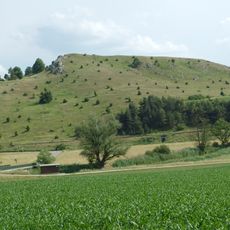
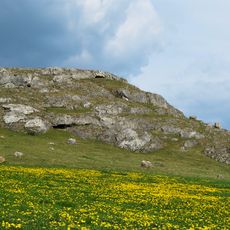
The site is not a museum ruin: since 1979 the owners have renovated the surviving walls and added new buildings in keeping with the style, and today a distillery, a small brewery and a castle shop operate there. Visitors can book seminars and see how distilling and brewing work. The hill, the Schlossberg, lies west of Alerheim at 455.4 m above sea level.
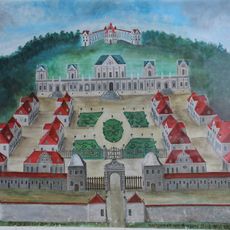
In 1235 Emperor Frederick II held his rebellious son, King Henry (VII), prisoner at the castle before transferring him to Apulia; Henry died in 1242 in the castle of San Fele in southern Italy. The octagonal tower shown in Merian's view after 1633 reflects the castle's Hohenstaufen-era expansion.
The community of curious travelers
AroundUs brings together thousands of curated places, local tips, and hidden gems, enriched daily by 93,585 contributors worldwide.