Hallbergsches Schloss, Baroque castle in Fußgönheim, Germany
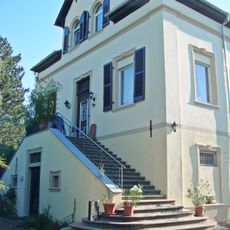
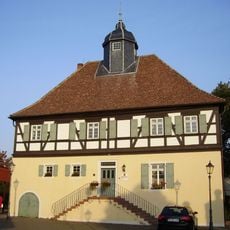
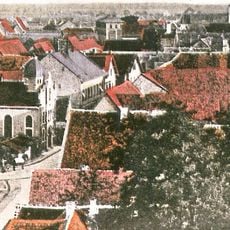
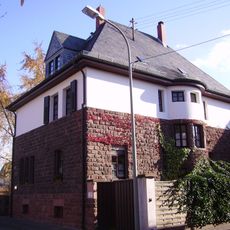
The Hallbergsches Schloss is a three-wing Baroque residence in Fußgönheim with a late Baroque gateway and hipped roof. The structure occupies the eastern side of town and retains the layout from its original period.
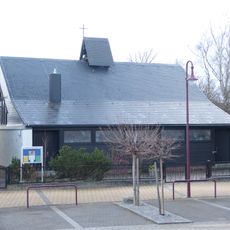
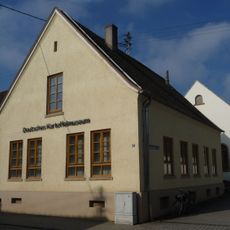
Built between 1728 and 1731 for Electoral Palatinate Chancellor Baron Jakob Tillmann von Hallberg, who had a complete wing fitted as a church and founded a Catholic parish in 1742. After a forced auction in 1815 the castle changed hands repeatedly and housed a cigar factory, a prisoner-of-war camp and a Raiffeisen warehouse. The Catholic parish acquired it in 1972 and restored it, creating today's St. Jakobus church in the former middle section.
The castle church in the northwest wing, completed around 1741, keeps its complete Baroque interior and is now used as the side chapel of St. Jakobus. Its high altar painting was made by Giovanni Antonio Pellegrini, who also painted Mannheim Palace; local tradition, recorded by pastor Stephan Lederer, holds that the builder Jakob Tillmann von Hallberg is shown in it. A memorial plaque in the courtyard marks the tomb where the couple was reburied in 2003.
The building sits at Hauptstraße 67 and is easily visible from the outside, while the former castle garden is now open to the public as green space. Visitors can explore the exterior and chapel, with the warmest months offering the most pleasant experience for viewing the grounds.
The painter Giovanni Antonio Pellegrini, who also worked on Mannheim Palace, created the altar painting for the chapel. This artistic link to one of the era's major baroque artists gives the space a cultural depth that many visitors overlook.
The community of curious travelers
AroundUs brings together thousands of curated places, local tips, and hidden gems, enriched daily by 94,209 contributors worldwide.