Veleda Cave, Cultural heritage cave in Bestwig, Germany
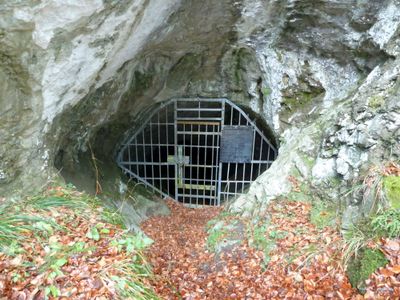
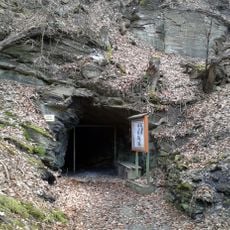
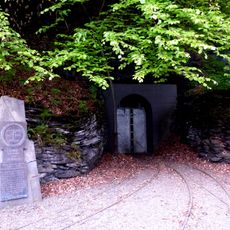
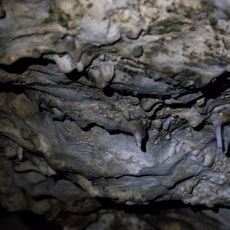
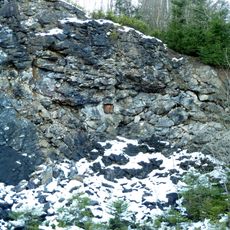
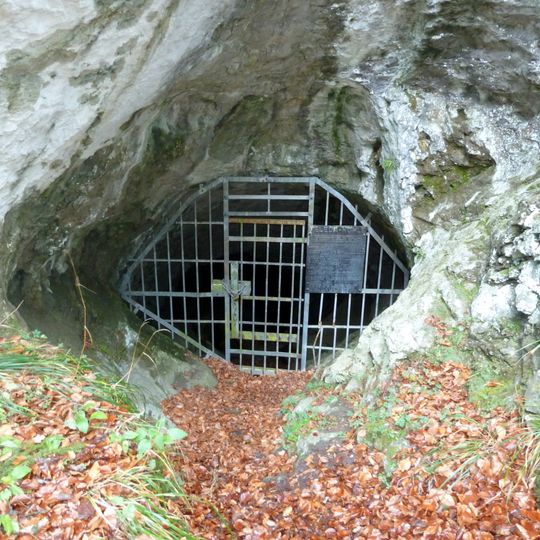
Veleda Cave is a natural cave formation in Bestwig with three separate entrances that open into a central chamber. The main hall features limestone formations and side passages, including a narrow corridor that extends deeper into the rock.
Archaeological excavations led by geologist Emil Carthaus revealed that the cave was inhabited during the Iron Age. The findings included human remains alongside pottery and jewelry, providing evidence of prolonged use as a dwelling or refuge site.
The cave takes its name from Veleda, a Germanic prophetess who local tradition associates with this location as a refuge. Visitors can observe traces of ancient habitation on the walls that speak to people who once sought shelter within these chambers.
The cave entrance is reachable by a short walk from designated parking areas in the vicinity. Visitors should bring proper lighting and wear sturdy footwear, as the ground inside is uneven and can be slippery in places.
A narrow passage extends into the cave depths where researchers discovered a substantial collection of ancient bones scattered throughout. This network of interconnected chambers reveals how early inhabitants made use of different spaces within the same site.
The community of curious travelers
AroundUs brings together thousands of curated places, local tips, and hidden gems, enriched daily by 60,000 contributors worldwide.