Deutsches Peitschenmuseum, Whip museum in Burladingen-Killer, Germany.
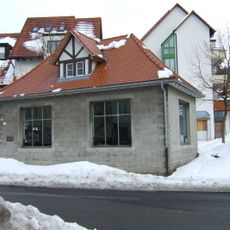
The German Whip Museum is housed in a former railway station building and displays machinery, tools, and materials from different periods of whip production. The collection includes working workshops where traditional crafting techniques can be observed in action.
Whip making in Killer grew out of the narrow valley's lack of profitable farmland, and the craft was formerly a three-year apprenticeship. At its peak in the early 20th century, 5,000 whips a day were made and shipped worldwide, about every second German whip coming from Killer. After the Second World War the markets were lost and the last factory closed in the 1970s. In 1993 Jürgen Simmendinger, chairman of the local heritage association, set up the museum in the disused station building on the Hechingen–Gammertingen line.
The museum's name refers to Killer, the Burladingen district where whip-making for ox and horse carts, cabs and carriages replaced unprofitable farming in the narrow valley. Whip-making was a three-year apprenticeship, and at the craft's peak around 1900 some 5,000 whips left Killer daily, about every second German whip. The last factory closed in the 1970s.
Visiting requires prior arrangement since the museum does not operate on fixed open hours for casual visitors. Plan ahead and contact in advance to secure your visit and allow time to explore the collections thoroughly.
In 1996 the Guinness Book of Records confirmed that this is the only whip museum in Germany. The museum opened in 1993 in Killer's disused station building on the Hechingen–Gammertingen line, founded by local heritage society chairman Jürgen Simmendinger; his son Oliver took over after his death in 2007.
The community of curious travelers
AroundUs brings together thousands of curated places, local tips, and hidden gems, enriched daily by 94,362 contributors worldwide.