Deutsches Thermometermuseum Geraberg, technology museum
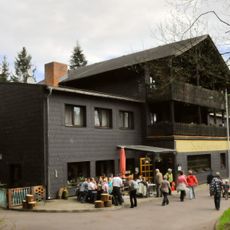
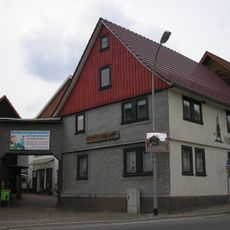
The Deutsches Thermometermuseum Geraberg is a technology museum in the historic centre of Geraberg, housed in a building on Plan 9. It traces temperature measurement from Galileo Galilei's thermoscope of 1600 to contact thermometers and modern resistance thermometers, thermocouples and electronic methods. Many exhibits come from glassmaking villages such as Gehlberg and Stützerbach and from 19th- and 20th-century production in Ilmenau and Geraberg.
The museum opened in early 2002 and fully expanded by 2004 to document the region's thermometer industry, which became a center of global production in the early 20th century. Following political reunification, large factories closed, but local craftspeople continued the tradition in smaller enterprises, a story the museum preserves through interviews and photographs of former workers.
The name Geraberg reflects the town's deep roots in thermometer craftsmanship, a tradition that shaped the community for over a century. Visitors can sense how this heritage remains woven into local identity, even though the industrial production that once defined the area no longer exists.
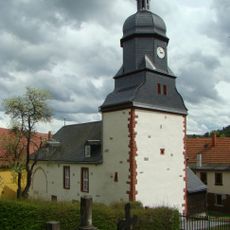
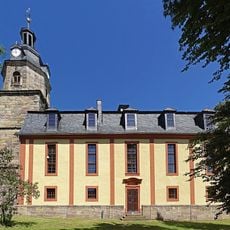
The museum is located in a quiet, historic part of Geraberg, with narrow lanes and old buildings nearby that make exploring straightforward. It is friendly for families and school groups, featuring interactive stations at an octagonal table where visitors can test different temperature devices and experiment themselves.
The museum association was founded in 2001 to keep thermometer-making alive and to set up a museum; the founders built a replica of the air thermometer Galileo Galilei devised around 1600, which visitors can study. The choice of Geraberg was no accident: glass instruments had long been a main industry of this part of the Thuringian Forest.
The community of curious travelers
AroundUs brings together thousands of curated places, local tips, and hidden gems, enriched daily by 93,100 contributors worldwide.