Castra Vemania, Roman cavalry fort in Isny im Allgäu, Germany
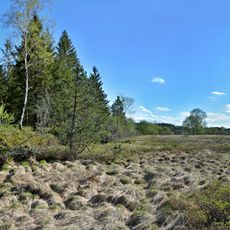
Castra Vemania is a late Roman cavalry fort on a 12-metre-high moraine terrace above the Untere Argen, about two kilometres east of Isny im Allgäu. The plateau measures 60–80 by 40–45 metres; its steep east and north slopes served as natural defences, while a ditch protected the west and south sides.
The first camp was established around 260 AD, and the fort was rebuilt and strengthened under Emperor Probus (276–282) as part of a new chain of forts from Lake Constance to the mouth of the Iller. It guarded the road from Augsburg via Kempten and Bregenz to the Alpine passes, where the route itself formed the frontier. The fort is probably the origin of Isny, first documented in 1043.
The name Vemania appears in the Tabula Peutingeriana, the Itinerarium Antonini and the Notitia dignitatum, so the fort was a documented stop on the road from Augsburg to the Alpine passes. In the 19th century people believed Isny's name came from a temple of the goddess Isis near the fort. The nearby hamlet Bettmauer is named after the fort's ruined walls, still visible in the Middle Ages.
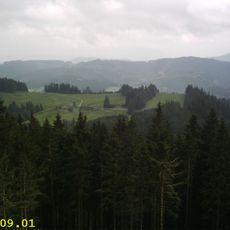
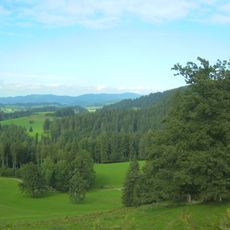
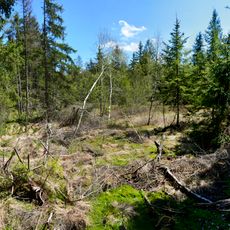
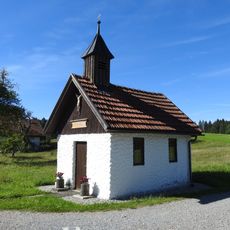
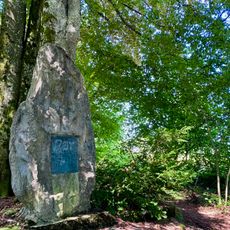
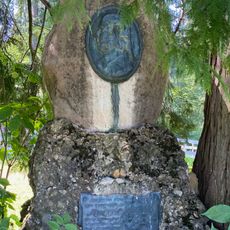
The fort site lies about two kilometres east of Isny's edge, between Kleinhaslach and the Bettmauer hamlet in the Burkwang district, on a moraine terrace above the Untere Argen valley. The plateau is narrow and the eastern and northern slopes drop steeply, so approach on foot with sturdy shoes. The location is signposted from the surrounding lanes.
The fort's name appears in the Tabula Peutingeriana, the Itinerarium Antonini and the Notitia dignitatum, so the site was important enough to be listed in three ancient route and administrative records. The nearby hamlet of Bettmauer probably takes its name from the fort's ruined walls, which were still standing in the Middle Ages.
The community of curious travelers
AroundUs brings together thousands of curated places, local tips, and hidden gems, enriched daily by 92,804 contributors worldwide.