Goldenstedter Moor, Protected peatland area in Goldenstedt, Germany.
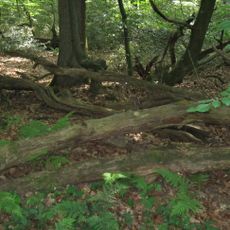
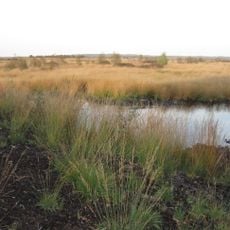
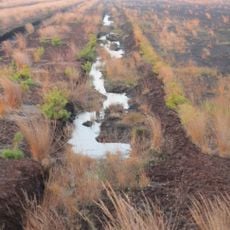
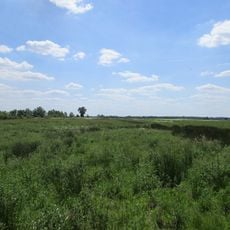
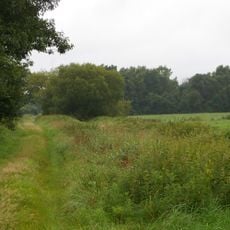
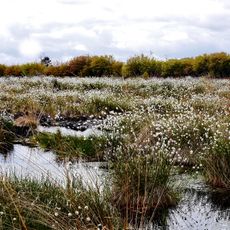
Goldenstedter Moor is a large raised bog area with wooden observation towers and trails through wetland habitats. The terrain displays different bog stages and allows visitors to explore the landscape from elevated viewpoints.
Goldenstedter Moor was declared a nature reserve in 1984 under the Lower Saxony moor protection programme, not 1987. Cultivated land could still be farmed for a transitional period under nature-conservation conditions, while uncultivated areas were already rewetted. Once the peat-cutting permits expire, the bog is to be kept and developed as habitat for typical raised-bog communities.
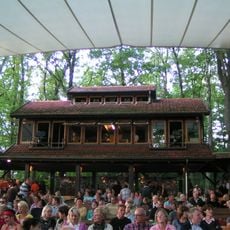
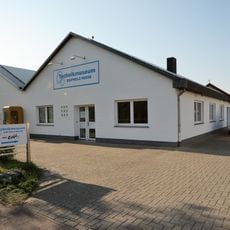
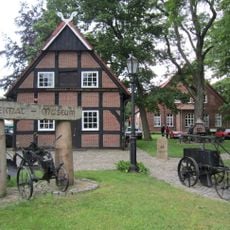
The Haus im Moor information centre is run by the Förderverein Goldenstedter Moor and takes its nickname from its building. A 15-metre Moortunnel there presents the bog, and its exhibits include belongings of the Kiepenkerl Jan Spieker, who died in the Goldenstedter Moor in 1828 and was buried there; his bog body was excavated again in 1978. A garden beside the centre grows regionally important fruit varieties that are threatened with extinction.
The site is accessible by road between Vechta and Goldenstedt and offers easy access to walking trails. Narrow-gauge train tours also run through the area during warmer months.
The 15-metre Moortunnel at the Haus im Moor information centre is not underground: it is a walk-through tunnel that explains and depicts the bog. Inside are belongings of the Kiepenkerl Jan Spieker, who died in the Goldenstedter Moor in 1828, was buried there, and whose bog body was excavated again in 1978.
The community of curious travelers
AroundUs brings together thousands of curated places, local tips, and hidden gems, enriched daily by 94,388 contributors worldwide.