Monastery in Tempzin, Religious architectural complex in Mecklenburg-Vorpommern, Germany.
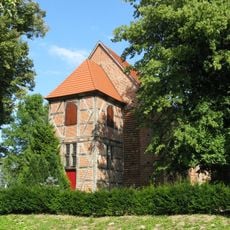
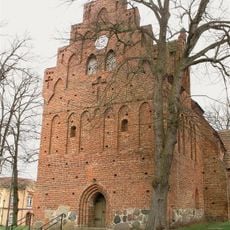
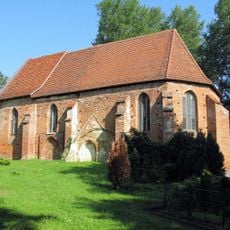
Monastery in Tempzin is an architectural ensemble in Mecklenburg-Vorpommern combining a two-story Gothic Warmhaus from 1496 with a late Gothic church featuring a three-nave design and single-nave choir. The complex provides 15 guest rooms with 32 beds total, shared bathrooms on each floor, and a fully equipped kitchen for visitor use.
Founded on 7 June 1222 by Prince Heinrich Borwin I, his wife Adelheid and their sons as a preceptory and hospital of the Antonite Order, Tempzin was granted the Tunischin estate, rights to the Tepenitz stream, a third of the lake and a salt pan at Sülten. The brothers Richard and Wilhelm from the mother house at Grünberg in Hesse received the charter. A ducal decree of 25 November 1550 secularised the monastery and gave it in fief to the ducal councillor Detlevi; the church became a parish church in 1589.
The place draws people together four times yearly to live as temporary communities engaged in hands-on maintenance, restoration work, and spiritual practices.
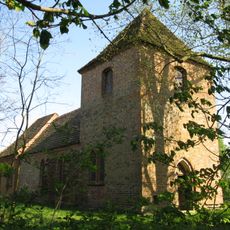
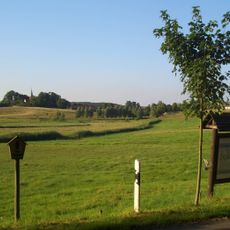
The former monastery lies in the village of Tempzin, part of the municipality Kloster Tempzin near Brüel. The church, the 1496 Warmhaus and the ruins stand close together, so the grounds can be crossed on foot in a short time. The site is a stop on the Mecklenburg pilgrimage route to the shrine of the Virgin Mary in Wilsnack; the parish still uses the former monastery church.
The monastery's full name, Antoniterpräzeptorei St. Antonius, recalls the Order of Saint Anthony, whose brothers ran a hospital here from the 1222 foundation. The order was known across Europe for treating ergotism, then called ignis sacer or St. Anthony's fire, and the hospital function is why the site was founded as a Präzeptorei and hospital rather than a simple monastery.
The community of curious travelers
AroundUs brings together thousands of curated places, local tips, and hidden gems, enriched daily by 94,016 contributors worldwide.