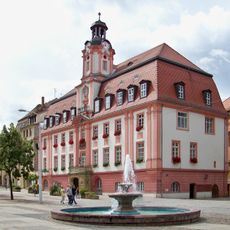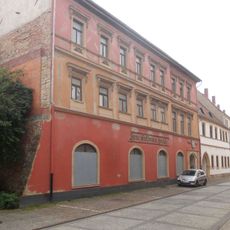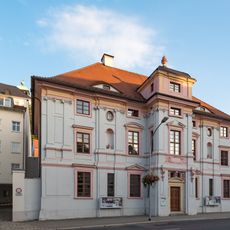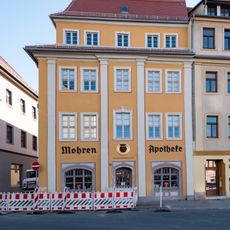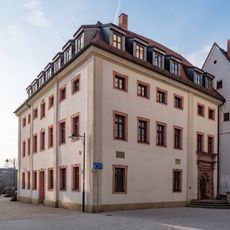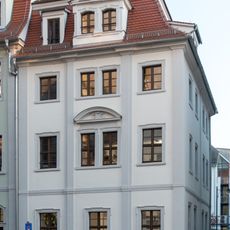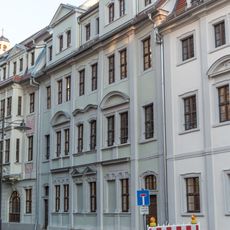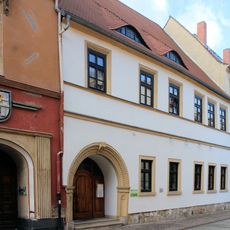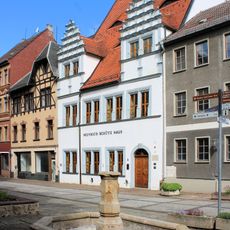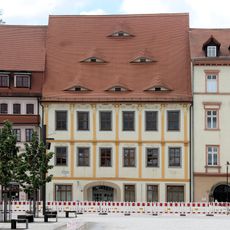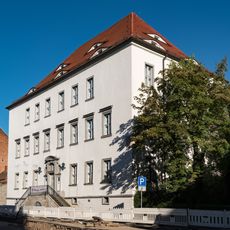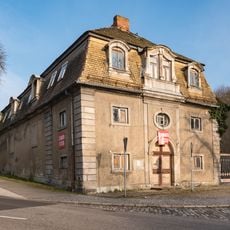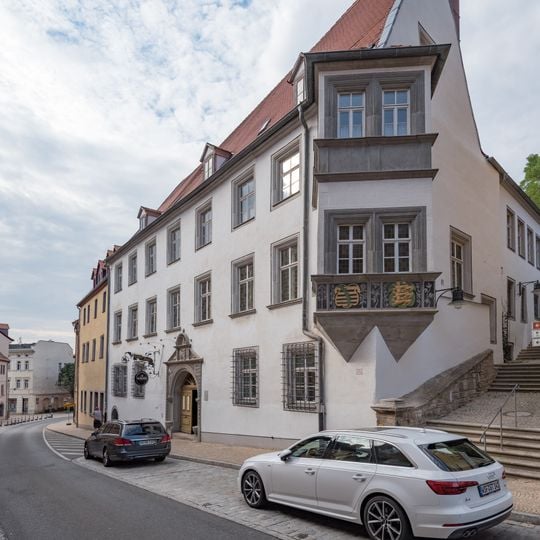
Geleitshaus Weißenfels, Renaissance monument in Weißenfels, Germany.
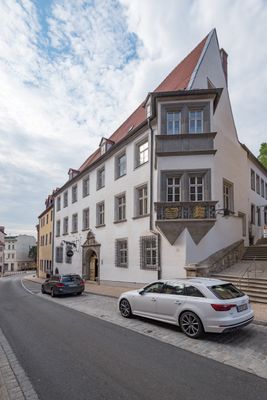
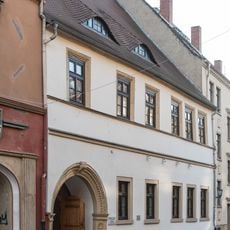
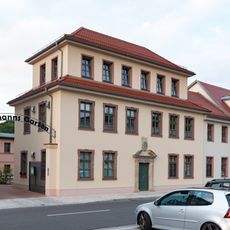
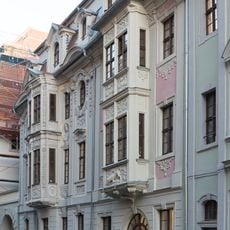
The Geleitshaus Weißenfels is a Renaissance stone building at Große Burgstraße 22 with characteristic 16th-century construction elements and original architectural details. The structure now houses a museum featuring a detailed diorama of the Battle of Lützen, assembled with 10,000 tin soldiers.
The building was constructed in 1552 by Hieronymus Kiesewetter as a government office providing armed escort services for travelers. A century later, following the Battle of Lützen in 1632, it became the place where Swedish King Gustav II Adolf was prepared for his final rest.
The building once served as a meeting point where travelers prepared for dangerous journeys by arranging armed escorts. Inside, visitors can observe how this protection service operated and understand its importance in daily commerce and travel life.
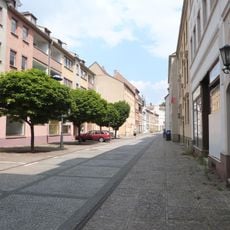
The building sits in central Weißenfels and is easily reached on foot using the street address at Große Burgstraße. It combines well with other local sights since it lies within the historic town center, making a walking tour practical and manageable.
The building's name derives from its original purpose, reflecting a medieval system where 'Geleit' meant organized protection for travelers. This historical terminology preserves the memory of a time when armed safety was a tradable service rather than a government function.
The community of curious travelers
AroundUs brings together thousands of curated places, local tips, and hidden gems, enriched daily by 91,816 contributors worldwide.