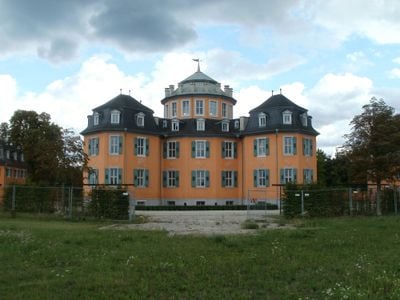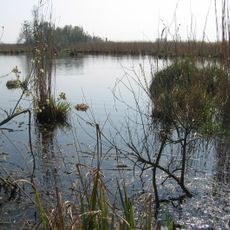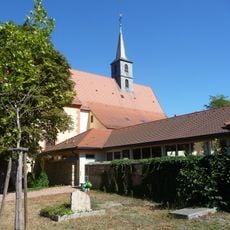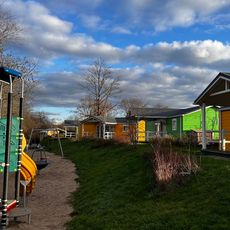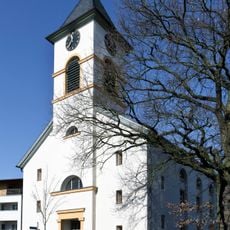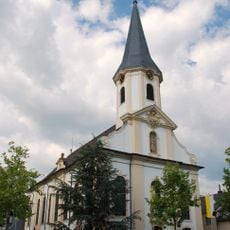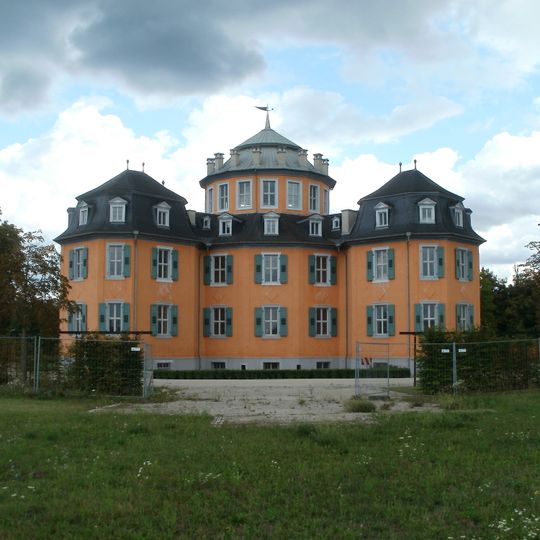
Eremitage, Baroque hunting palace in Waghäusel, Germany.
The Eremitage is a Baroque palace in Waghäusel with an unusual hexadecagonal central structure around which four cross-shaped wings extend. The buildings surround a circular, walled courtyard, and the grounds also include three cavalier houses and eight separate hermit pavilions distributed across the site.
Construction began in 1724 under Prince-Bishop Damian Hugo Philipp von Schönborn, who wanted a personal retreat complex. Architect Michael Ludwig Rohrer completed the project in 1729, creating a significant Baroque masterpiece for the region.
The palace was designed as a retreat for the prince-bishop and reflects the Baroque idea of princely seclusion. The eight small hermit cottages scattered across the grounds express this philosophy and make the place a setting for contemplation.
The palace sits near Waghäusel train station and is reachable by regional trains and buses. The grounds are extensive, so visitors should wear comfortable shoes when exploring the various pavilions and gardens spread across the property.
The palace underwent a dramatic transformation when a sugar factory operated on the grounds from 1837 to 1995. This industrial use left visible marks and shows how the purpose of the place shifted fundamentally over two centuries.
The community of curious travelers
AroundUs brings together thousands of curated places, local tips, and hidden gems, enriched daily by 92,035 contributors worldwide.