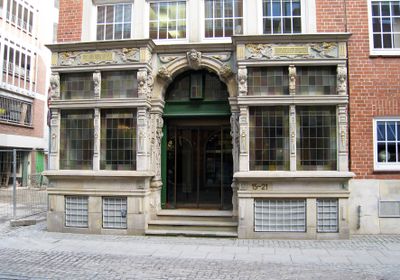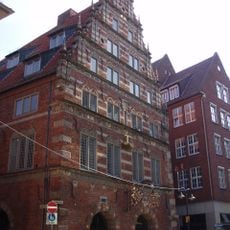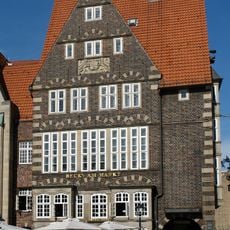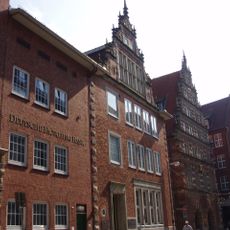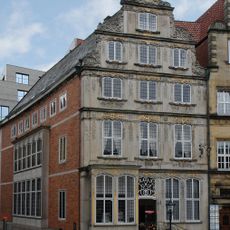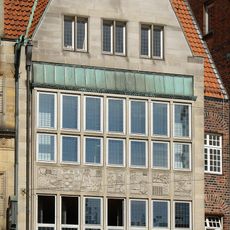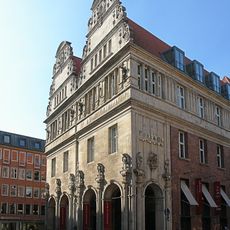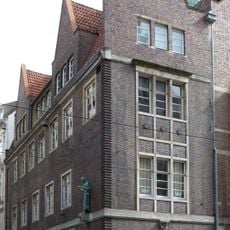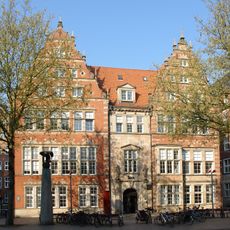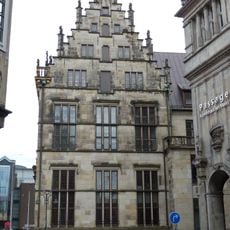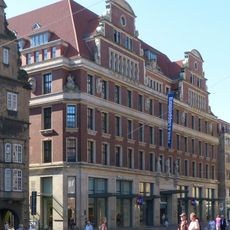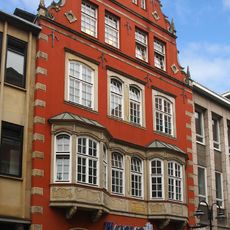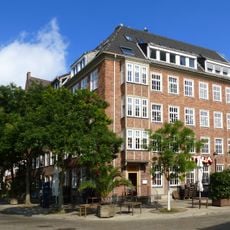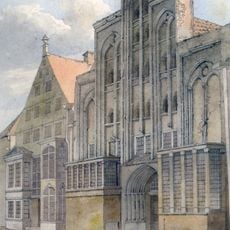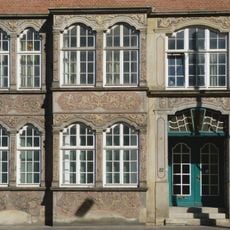
Essighaus, Renaissance merchant house in Mitte, Germany
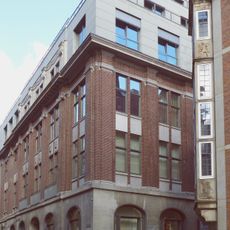
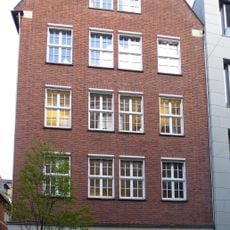
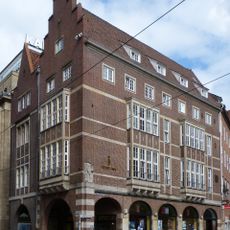
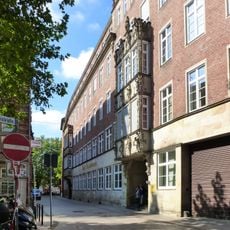
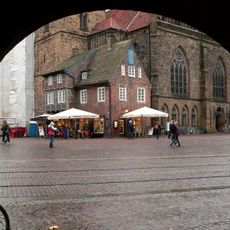
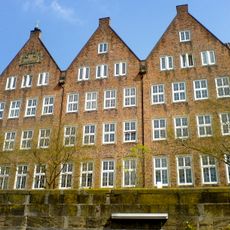
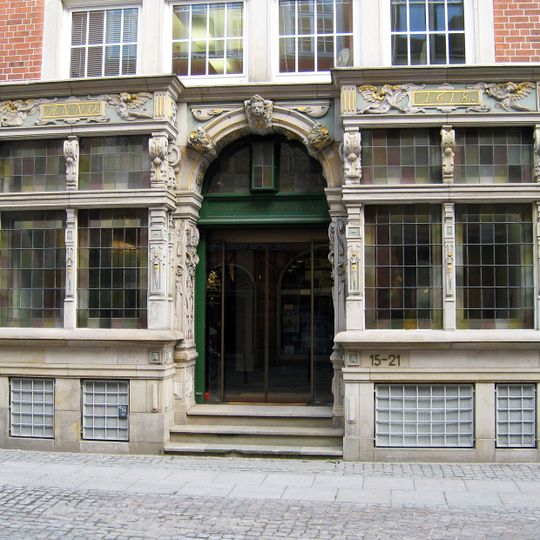
Essighaus is a Renaissance merchant house in Bremen's Mitte district, featuring restored facade elements and projecting bay windows that characterize the style. The structure combines residential and commercial spaces across multiple floors, showcasing the architectural quality of a wealthy trader's establishment from the early 1600s.
The building was constructed in 1618 as a merchant house, reflecting Bremen's prosperity during the Renaissance. Its name comes from a vinegar factory that operated at the site during the 1800s, before the structure suffered severe damage in World War II.
The building shows typical features of a Bremen merchant house, with living spaces above and business rooms below. This layout reflects how wealthy traders lived and worked during the Renaissance period.
The building is visible from outside and located in a central area of the old town district. It can be viewed year-round, with the restored facade best appreciated during daylight hours.
Psychoanalyst Sigmund Freud reportedly experienced a fainting spell at this location in 1909 during a visit to Bremen. The incident was documented by his student Carl Jung and remains a curious footnote in the building's history.
The community of curious travelers
AroundUs brings together thousands of curated places, local tips, and hidden gems, enriched daily by 91,107 contributors worldwide.