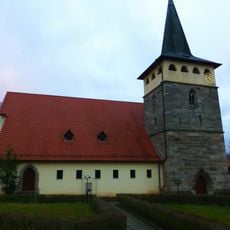
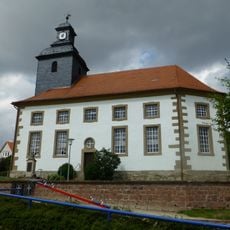
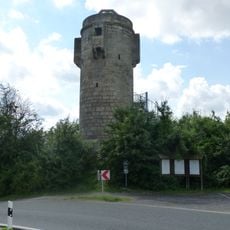
Kloster Teistungenburg, Medieval monastery in Teistungen, Germany
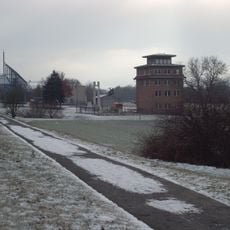
Kloster Teistungenburg is a former Cistercian nunnery near Teistungen in Thuringia. Its grounds once held a provost's house, a kemenate, a granary, a brewhouse, two barns, a cow shed, three pigsties, a sheep farm and two gatehouses. Today only the white sandstone perimeter wall and a cattle shed remain; the 28-hectare site is occupied by a leisure park.
The monastery was founded in 1260 as a daughter house of Beuren Monastery and initially housed a small community of nuns. Over time, it developed into an independent establishment with its own economic base and continued operations through the medieval period.
The site reflects the Cistercian way of life that shaped this place for centuries, and its name preserves the memory of those who built it. Walking through the grounds today, visitors sense how monastic communities organized their daily work and prayer in this rural setting.
The site is now accessible as a leisure park with hotel facilities and cultural venues that were developed after reunification in the 1990s. Visitors should know that most of the original monastery buildings no longer exist, so the experience focuses on the remaining walls and the modern facilities rather than extensive historic structures.
The cattle shed that survived the 1975 demolitions is not a barn but a Rinderstall, a reminder that the nunnery ran four Vorwerke by 1510. The white sandstone wall beside it is the other remnant. The old monastery archive is now held by the Landesarchiv Sachsen-Anhalt.
The community of curious travelers
AroundUs brings together thousands of curated places, local tips, and hidden gems, enriched daily by 94,219 contributors worldwide.