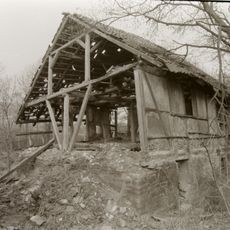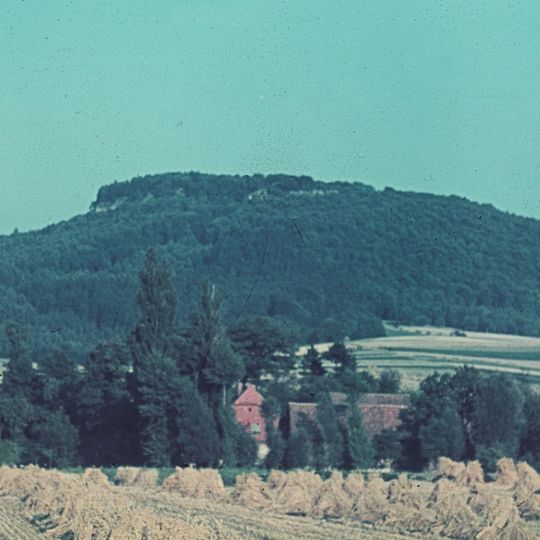
Hasenburg, Medieval castle ruins near Buhla, Germany
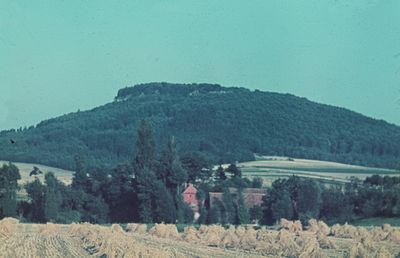
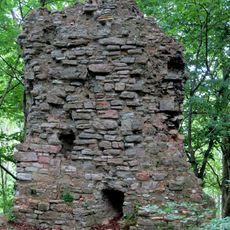
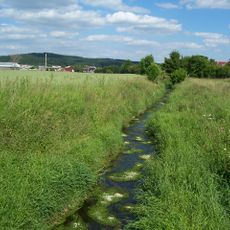
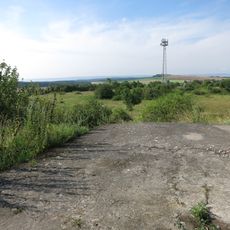
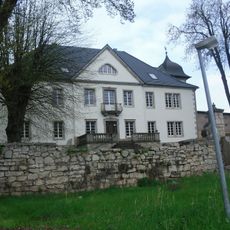
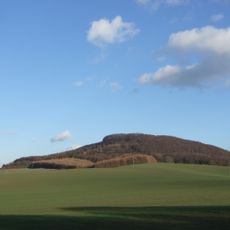
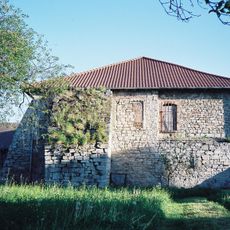
Hasenburg is a castle ruin set on a raised plateau in the German village of Buhla. What remains today includes stretches of wall, defensive ditches, and parts of the original layout that give a clear picture of how the site was once arranged.
The site was already settled during the Bronze Age before it became an imperial castle under Emperor Heinrich IV around 1070. That shift turned a prehistoric stronghold into a medieval seat of power.
The name Hasenburg is linked to the noble family that once held the site, and their memory lives on in the ruins that visitors walk through today. The stone remnants of towers and walls give a clear sense of how the plateau was divided and used as a fortified residence.
The site is open to visitors, with the main access point at the southern end of the plateau. The eastern and northwestern slopes drop off sharply, so it is best to stay on the marked paths.
Below the ruins lies a natural cave called the Ritterkeller, which was shaped and used by the medieval garrison. It shows how the people living here worked the rock itself into their defenses rather than relying only on built walls.
The community of curious travelers
AroundUs brings together thousands of curated places, local tips, and hidden gems, enriched daily by 91,086 contributors worldwide.