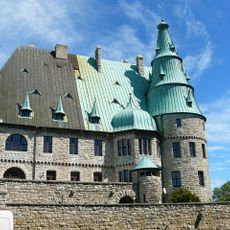
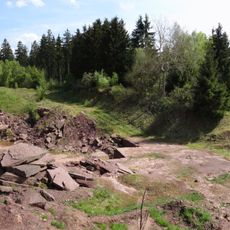
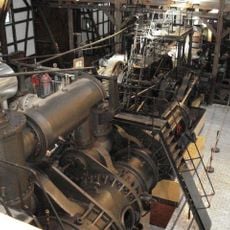
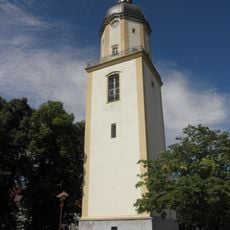
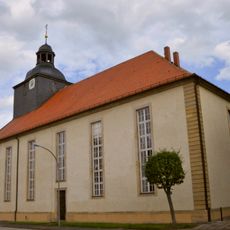
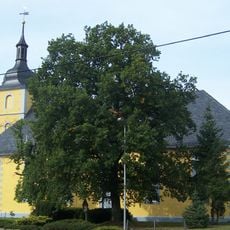
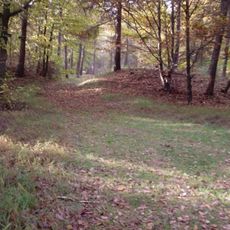
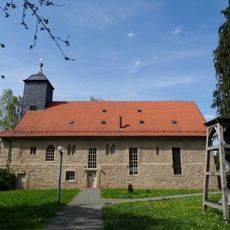
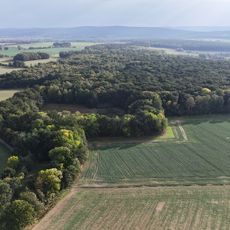
Kloster Georgenthal, Cistercian monastery ruins in Georgenthal, Germany
Kloster Georgenthal is a Cistercian monastery whose ruins display three-nave halls, a cloister courtyard, and the foundations of the original basilica with a rectangular choir. Excavations carried out over several decades in the 1800s revealed the complete layout of this religious complex.
Founded in 1142 by a regional count who brought monks from a French monastery, this center developed over centuries. It fell to destruction in 1525 and was left as ruins.
The monastery's name comes from Saint George, to whom the abbey was dedicated as Abbatia Vallis Sancti Georgii. Its lay patrons were the counts of Kevernburg until their line died out in 1385, when the landgraves of Thuringia from the House of Wettin took over that role. The humanist Spalatin taught the novices here from 1505 to 1508.
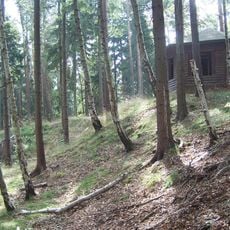
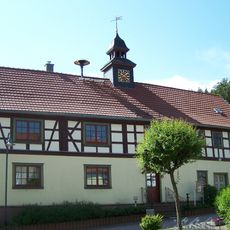
The excavated foundations lie in the open and are reached on foot; the terrain becomes muddy and slippery after rain. The Romanesque well basin, 170 cm across and carved in a twelve-lobed outline, stands again where the cloister well house once was. The Kornhaus west of the church now holds the local history museum.
A preserved stone rose window design from the monastery is now displayed in the nearby history museum. This carved element hints at the beauty the buildings once possessed.
The community of curious travelers
AroundUs brings together thousands of curated places, local tips, and hidden gems, enriched daily by 94,004 contributors worldwide.