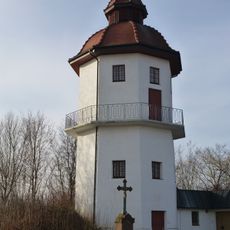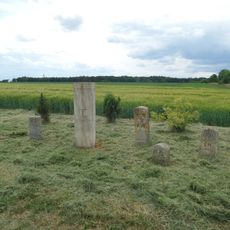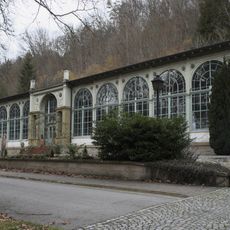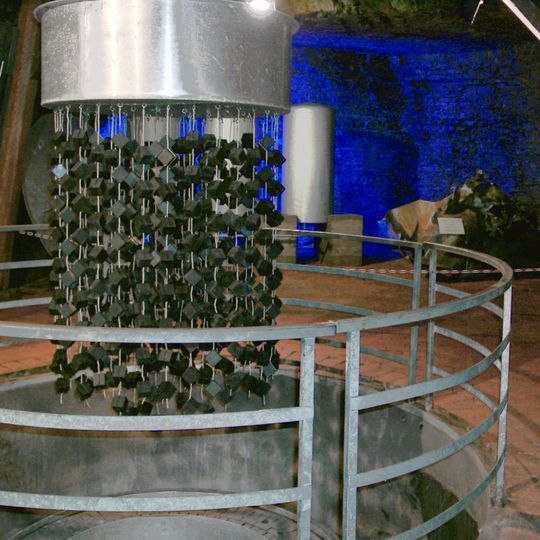
Haigerloch research reactor, Research nuclear reactor in Haigerloch, Germany.
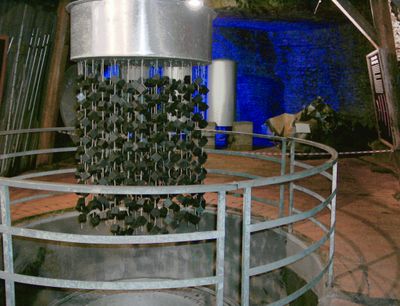
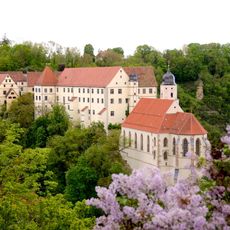
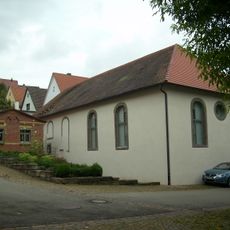
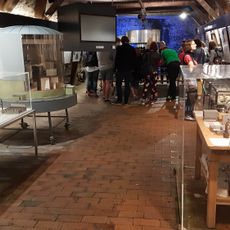
The Haigerloch research reactor is an underground nuclear laboratory built inside a converted beer cellar beneath the town's castle church. The facility displays original scientific equipment and working chambers that show how researchers conducted their experiments in this confined space.
Scientists led by Werner Heisenberg built this research facility in early 1945 during the final months of World War II. The project represented German efforts in nuclear science and stopped abruptly when the war ended and the facility was secured by occupying forces.
The museum shows how scientists communicated their atomic research to the public through hands-on displays and detailed explanations of their work. These presentations reflect the specific moment when German researchers pursued this kind of scientific investigation.
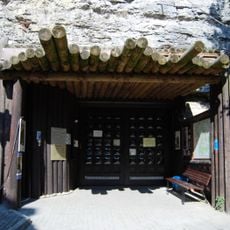
The site is accessible only through guided tours that provide detailed explanations of the equipment and historical background. Plan to wear sturdy shoes and allow about two hours for your visit, as the underground passages are narrow and the ground uneven.
The core chamber held 664 uranium cubes suspended on cables within a sphere filled with heavy water, a configuration that allowed scientists to run controlled experiments in a confined underground space. This ingenious setup reflected the resourcefulness of researchers working under extreme wartime constraints.
The community of curious travelers
AroundUs brings together thousands of curated places, local tips, and hidden gems, enriched daily by 92,433 contributors worldwide.