Fuchslabyrinth, Natural cave system in Schrozberg, Germany
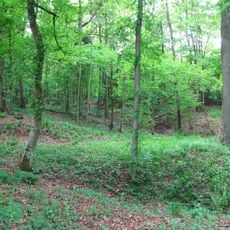
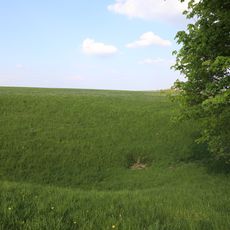
Fuchslabyrinth is a natural cave system beneath Schrozberg-Schmalfelden extending over 14 kilometers. It features narrow north-south crevices connected by low passages and layer joint tunnels throughout its structure.
The cave system was discovered in 1974 by Stuttgart's Cave and Karst Working Group during scientific exploration. Medieval vessels from the 13th to 15th centuries found inside suggest the cave was used by people in earlier times.
The exhibition 'Feuersteine & Höhlen' displays artifacts and maps from the cave, showing how this underground system shaped understanding of the regional geology. Visitors can see how such discoveries influence local identity and scientific interest.
The cave is only accessible to researchers and specialists, not open to regular visitors. Information about the site can be found in scientific publications on cave and karst studies in Southwest Germany.
A water passage discovered in 1988 extends several kilometers beneath the labyrinth and links the cave system hydrologically to the Schandtauber Cave. This underground connection reveals how intricate the karst water networks are throughout the region.
The community of curious travelers
AroundUs brings together thousands of curated places, local tips, and hidden gems, enriched daily by 92,834 contributors worldwide.