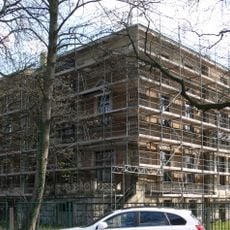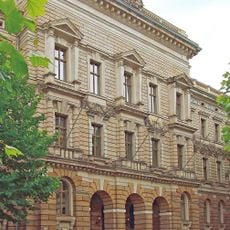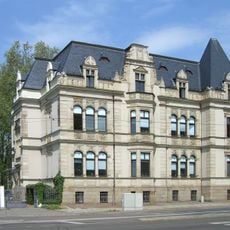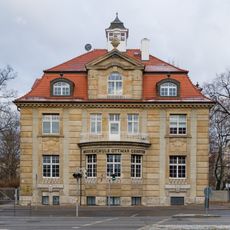
Galerie für Zeitgenössische Kunst, Art museum in Mitte district, Leipzig, Germany
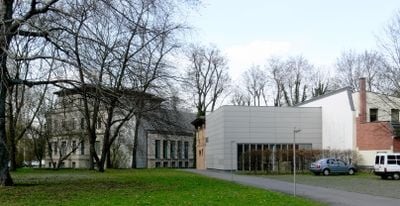
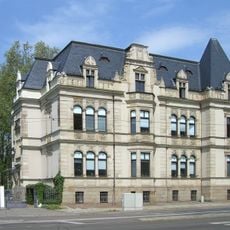
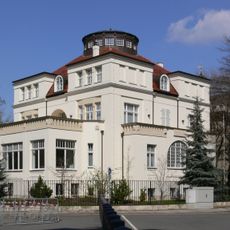
Galerie für Zeitgenössische Kunst is an art museum in Leipzig's Mitte district dedicated to contemporary works and installations. The space features rotating exhibitions that present works by artists from Germany and around the globe.
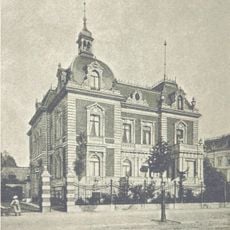
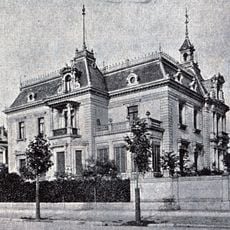
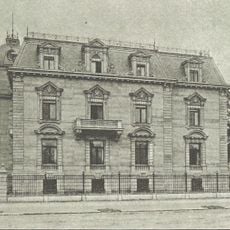
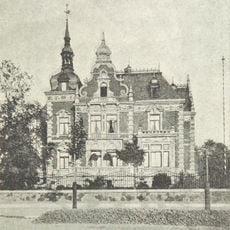
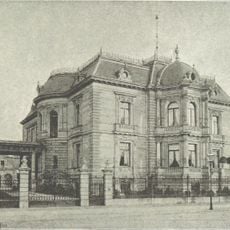
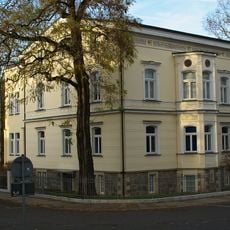
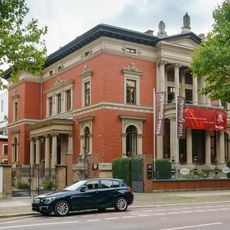
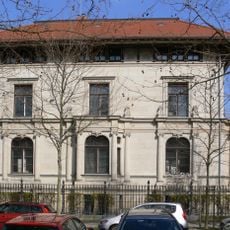
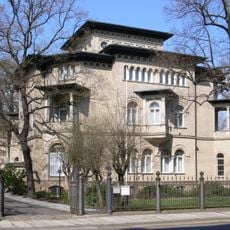
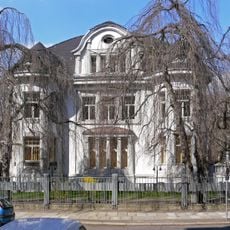
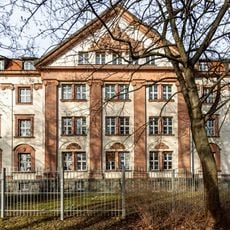
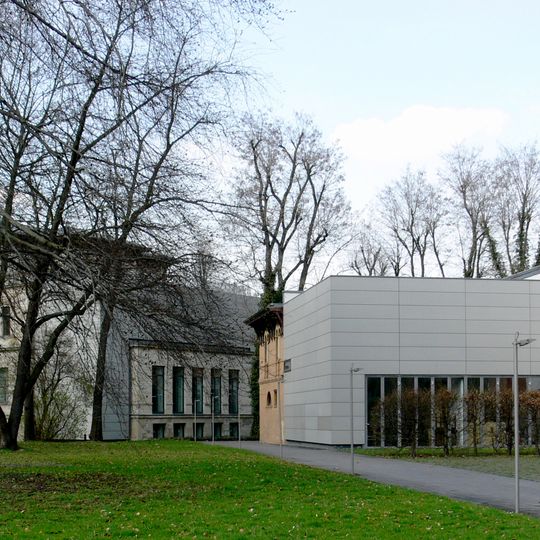
The gallery's support association was founded in late 1990 on the initiative of art historian Klaus Werner, with backing from the Cultural Circle of German Industry (BDI). From 1991 it held exhibitions in borrowed spaces. On 16 May 1998 it opened its own home in the converted Herfurth Villa, built in 1894 and remodeled by Peter Kulka; the project won the City of Leipzig Architecture Prize in 1999. A second hall, GfZK-2 by as-if berlinwien, opened on 28 November 2004.
The gallery's name is often shortened to GfZK. Its publicly accessible garden holds Olaf Nicolai's installation "Labyrinth", made from upturned brooms used by Paris street cleaners, a draw for children. The former coach house now contains a music school, a bakery and the GfZK hotel.
The museum is located in the city center and is easy to reach by public transport. It is helpful to check the website for current opening hours and information about ongoing exhibitions.
In the gallery's public garden stands Olaf Nicolai's installation "Labyrinth", made from turned-inside-out brooms used by Paris street cleaners. It is a draw for children and a well-known public artwork in Leipzig. By 2024 UV radiation and weather had made the parts brittle, and tests are underway for a version that keeps the artist's interest in the material's contradictions while meeting today's demand for sustainability.
The community of curious travelers
AroundUs brings together thousands of curated places, local tips, and hidden gems, enriched daily by 94,638 contributors worldwide.