See the monuments around you in AROpen chests in the app
Around Us is built for your phone — point your camera at the streets and discover the monuments and places around you in augmented reality.Around Us is built for your phone — chests unlock when you walk, explore and capture nearby places.
Leipzig reveals itself to those who look beyond the main streets. Former factories have become art spaces and cultural centers, historic wine cellars still welcome guests, and museums explore subjects you would not find elsewhere. The Spinnerei art complex and Panometer show how the city has transformed its industrial past into places for creativity.
History and contemporary culture run side by side here. The Monument to the Battle of Nations marks significant historical events, while Auerbach's Cellar has served visitors for centuries. The Zoo, Botanical Garden, and Kunstkraftwerk offer space for nature and art. Neighborhoods like Plagwitz and Bülowviertel develop their own character with galleries, cafés, and independent shops.
Visitors find a city that honors its past while making room for the present. The Karl Heine Canal invites walks along its banks, art spaces grow in former workshops, and small venues throughout the city bring local history and contemporary artists together.
Leipzig reveals itself to those who look beyond the main streets. Former factories have become art spaces and cultural centers, historic wine cellars still welcome guests, and museums explore subjects you would not find elsewhere. The Spinnerei art complex and Panometer show how the city has transformed its industrial past into places for creativity.
History and contemporary culture run side by side here. The Monument to the Battle of Nations marks significant historical events, while Auerbach's Cellar has served visitors for centuries. The Zoo, Botanical Garden, and Kunstkraftwerk offer space for nature and art. Neighborhoods like Plagwitz and Bülowviertel develop their own character with galleries, cafés, and independent shops.
Visitors find a city that honors its past while making room for the present. The Karl Heine Canal invites walks along its banks, art spaces grow in former workshops, and small venues throughout the city bring local history and contemporary artists together.
This memorial is among the hidden locations that define alternative Leipzig, commemorating the 1813 Battle of the Nations. The 91-meter monument marks the clash between Napoleonic and Allied forces, which involved approximately 600,000 soldiers. It stands as a significant historical landmark in the city and reflects Leipzig's role during the Napoleonic Wars, complementing the city's cultural offerings alongside its museums, art complexes, and converted industrial spaces.
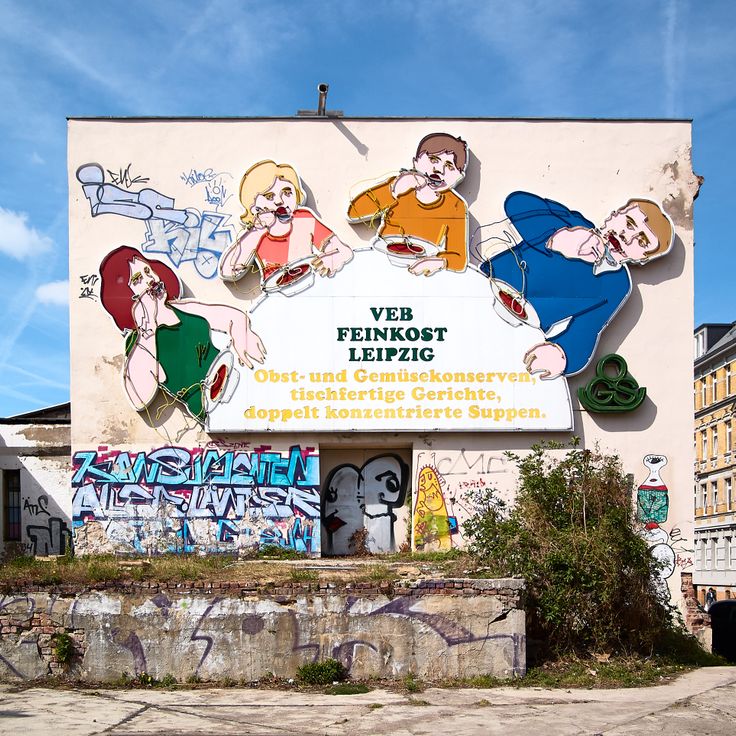
The Spoon Family neon sign stands on Karl-Liebknecht Street and displays a family of spoons as a symbol of GDR consumer culture. Within Leipzig's alternative cultural landscape, where converted factories and art complexes like the Spinnerei shape the city, this sign installed in 1973 represents a piece of East German history. The glowing artwork documents daily life and economic conditions of a bygone era.
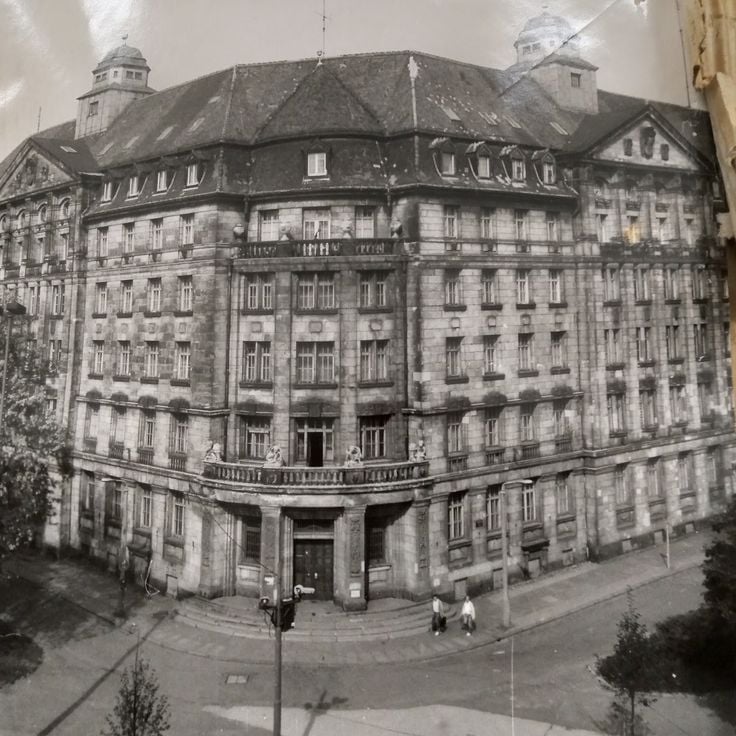
The Round Corner Museum occupies the former headquarters of the Stasi, East Germany's secret police, and displays how this agency operated from 1950 to 1989. Inside, you can see original surveillance equipment and files that reveal the methods used to monitor citizens. This museum fits naturally into Leipzig's alternative cultural scene, where old industrial buildings now serve as galleries, art centers, and exhibition spaces.
Zoo Leipzig houses around 850 animal species in large enclosures with rivers and forests. The facility includes Gondwanaland, a tropical rainforest area. The zoo fits into alternative Leipzig's character, where cultural spaces often inhabit repurposed industrial buildings and converted historic sites.
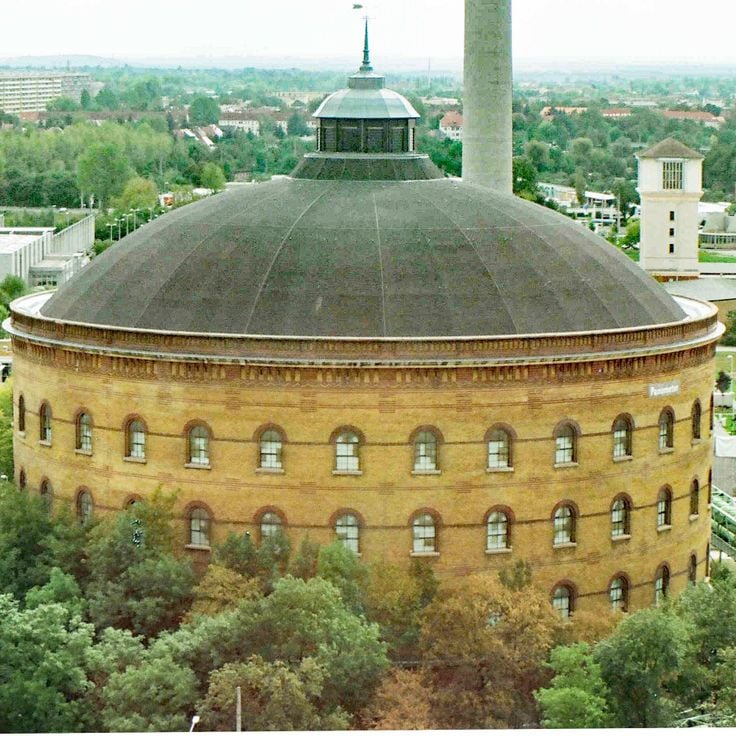
The Panometer Leipzig is a former gasometer that now displays large circular paintings. The artworks hang at 32 meters high and span 110 meters in circumference, covering historical and natural themes. This converted industrial building is part of Leipzig's alternative cultural landscape, alongside the Clown Museum, historic wine cellars, and other repurposed factories. The city features cultural centers in former industrial spaces, botanical gardens, and monuments. The Spinnerei art complex and the Panometer together define much of what makes Leipzig's cultural scene distinctive for visitors seeking something different.
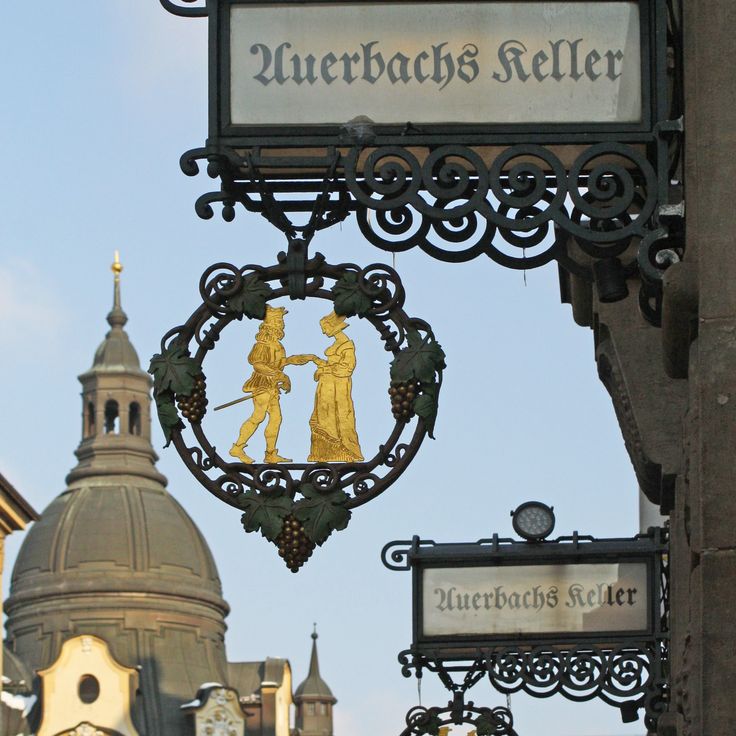
Auerbach's Cellar is a wine restaurant dating back more than 500 years and represents the hidden cultural side of Leipzig. Located in Mädler Passage, this 16th-century establishment serves German cuisine in vaulted rooms. The restaurant appears in Goethe's Faust and attracts visitors seeking traditional dining in a historic setting among the city's alternative cultural venues.
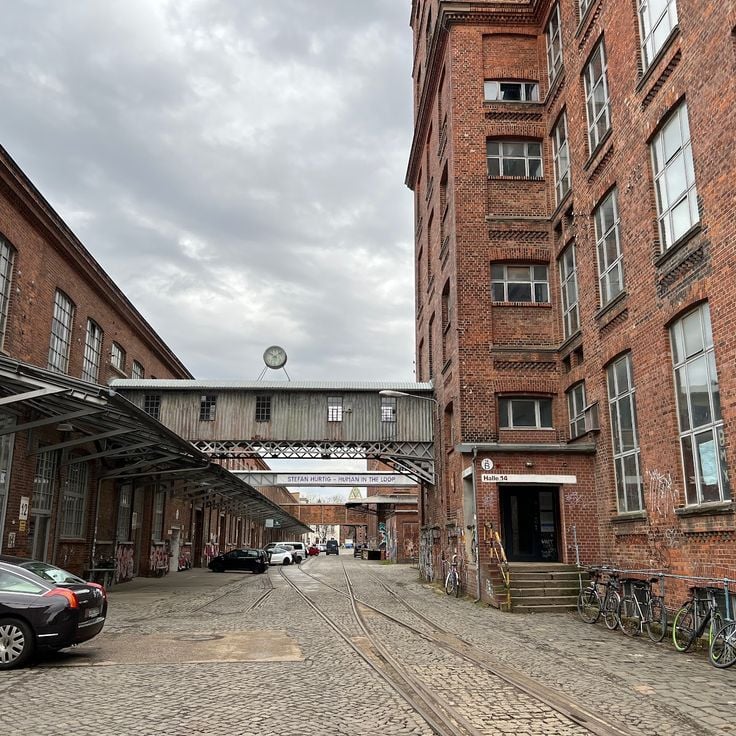
The Spinnerei is a former cotton factory from 1884 that now hosts galleries, artist studios and contemporary art exhibitions. As part of alternative Leipzig, this converted industrial complex joins other transformed factory buildings that shape the city's cultural character. Across its sprawling grounds, creative spaces and exhibition areas provide room for artists to work and share their practice.
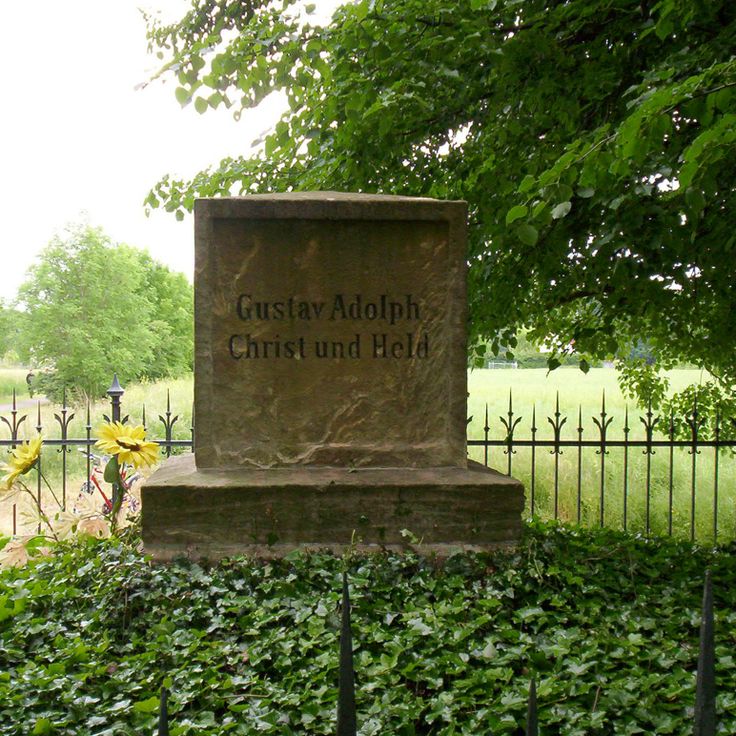
The Gustav II Adolf Monument is part of Leipzig's alternative cultural landscape, where historic monuments stand alongside converted factory buildings and art complexes. This bronze statue of the Swedish king sits on a granite pedestal and was erected in 1832 to mark the 200th anniversary of his death. The monument reflects the city's connection to important historical events.
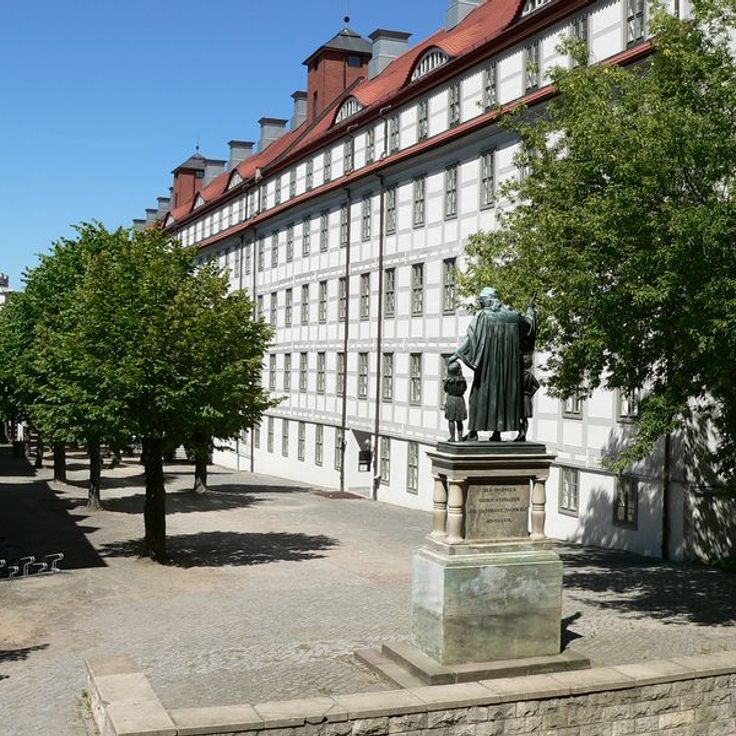
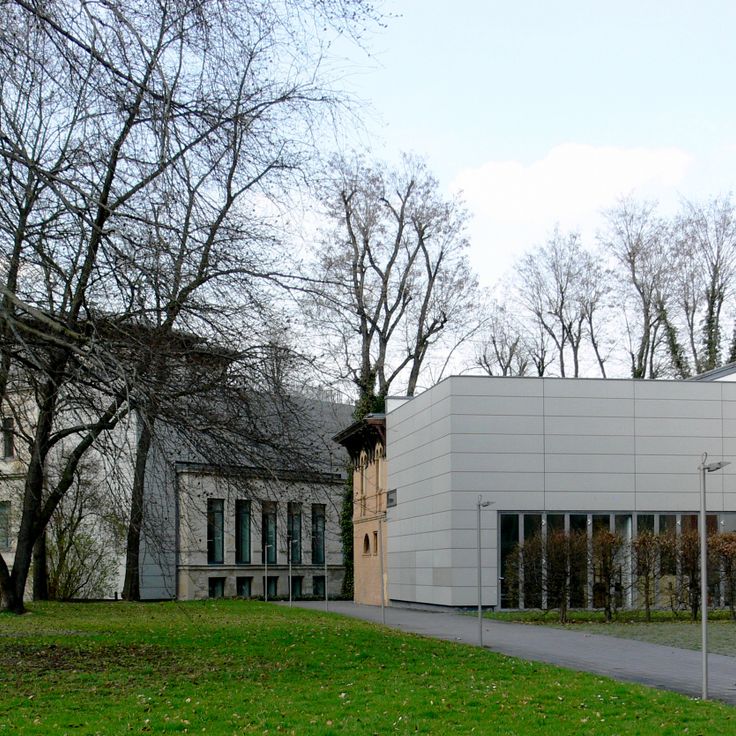
The Francke Collections showcase natural science objects from the 18th century, fitting within the scope of hidden cultural locations like those found in Leipzig. The museum houses minerals, stuffed animals, and historical scientific instruments that reflect how people understood the natural world centuries ago. This collection complements Leipzig's variety of museums and art centers housed in converted factories and historic spaces.
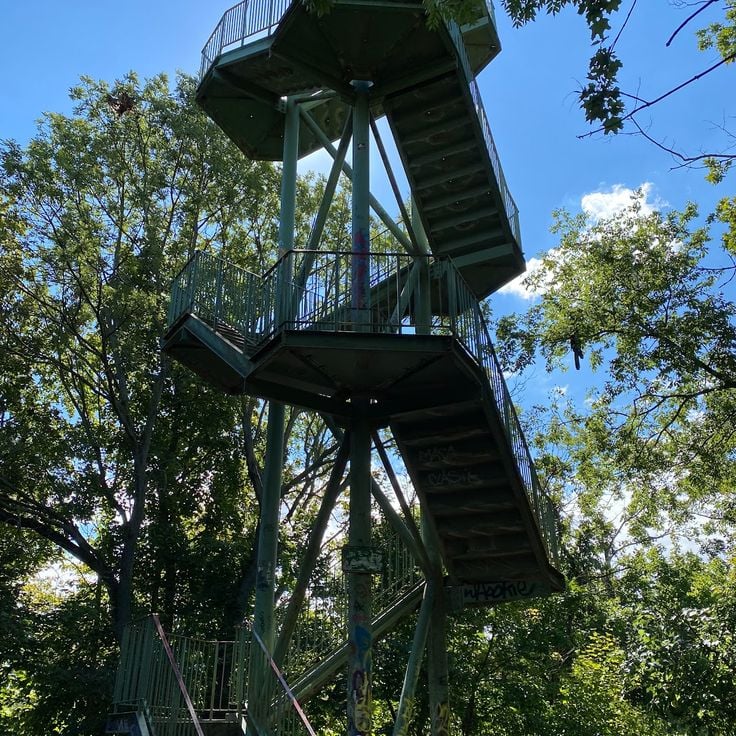
The Shaking Tower is a 30-meter metal structure built in 1995 that moves when strong winds hit it. This tower shows the experimental architecture that shapes Leipzig's transformation from an industrial city to a cultural center. The moving structure fits into the collection of alternative locations in the city, where converted factories, art complexes, and unexpected buildings define modern Leipzig.
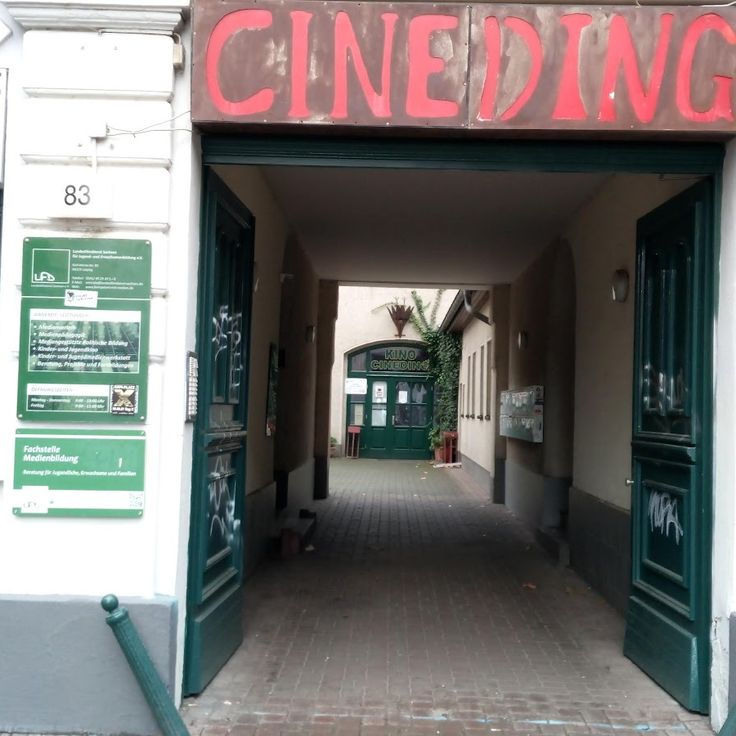
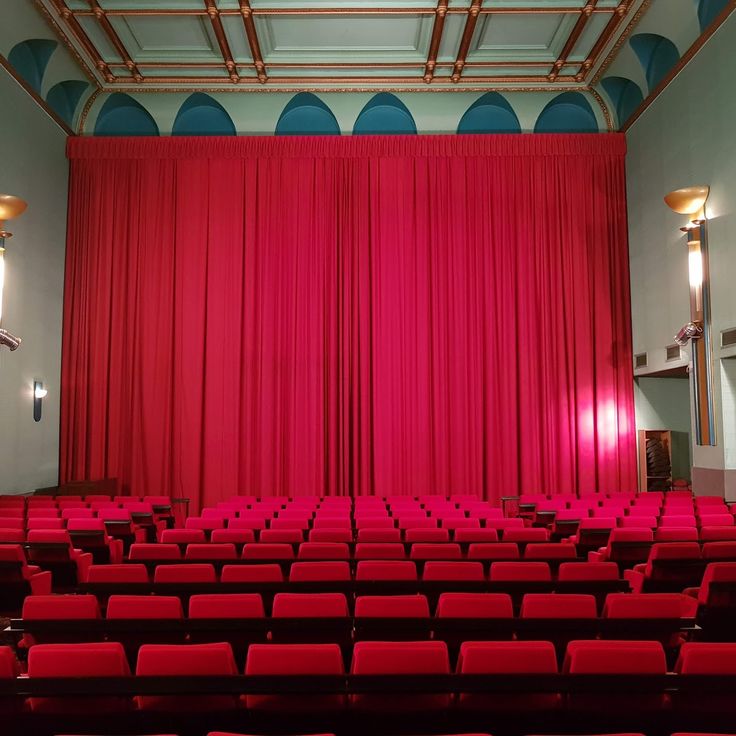
The Cineding Film Theater is a small cinema with 50 seats housed in a historic building, fitting into Leipzig's alternative cultural scene. Like other venues in the city, it uses an existing structure to create contemporary culture. The cinema shows documentary films and international productions, contributing to the diverse film culture that defines alternative Leipzig alongside art complexes and converted industrial spaces.
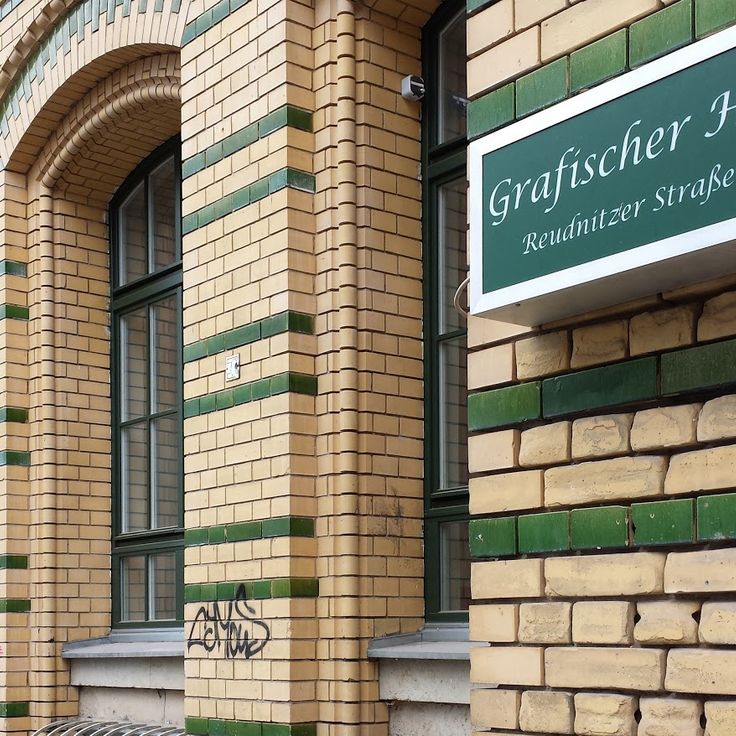
The Grafischer Hof is part of Leipzig's alternative cultural scene, alongside the Clown Museum, historic wine cellars, and repurposed industrial buildings. This former printing facility now houses artist studios, small shops, restaurants, and exhibition spaces arranged around an inner courtyard. The site shows how the city has transformed its industrial past into living cultural spaces, much like the Spinnerei and Panometer.
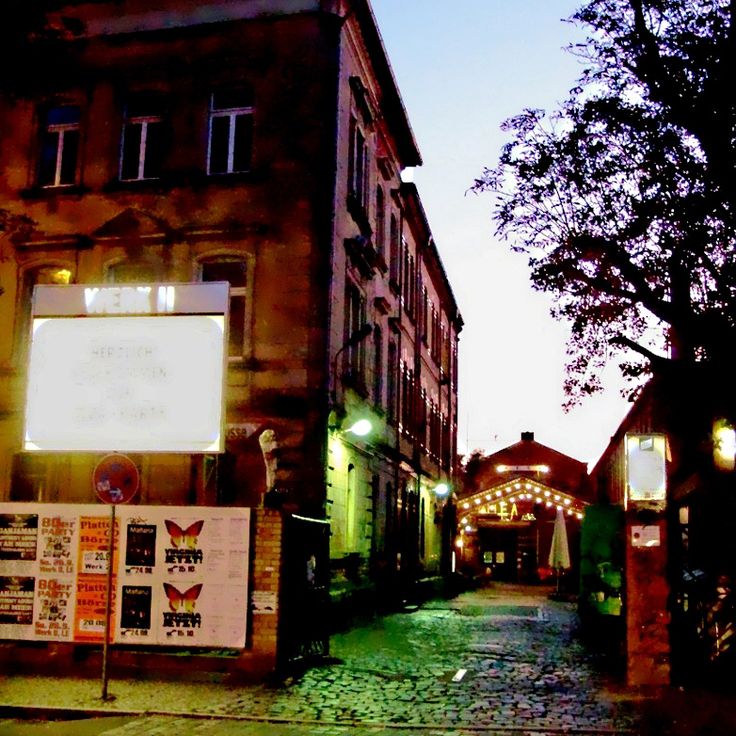
Kulturfabrik Werk 2 is a former industrial building that now serves as a cultural center, fitting perfectly into alternative Leipzig's landscape of converted factories and art spaces. The site features concert stages, exhibition halls, a cinema and rehearsal rooms for musicians. The historic structure shows how old industrial spaces can be transformed into vibrant places for creative work and cultural exchange.
The Budde-Haus is a restored 19th-century building in the Gohlis district that embodies the spirit of alternative Leipzig. This renovated structure hosts event spaces, operates a beer garden, and presents regular art exhibitions. It represents the kind of cultural space found throughout the city, where former industrial buildings and historic structures have been transformed into vibrant venues for art, community gatherings, and creative expression.
The MS Weltfrieden is a motorboat on the Karl Heine Canal that offers tours through Leipzig's canal system. The cruises explain the city's industrial past. This vessel fits into alternative Leipzig's cultural offerings, where former factories have been converted into art spaces and museums.
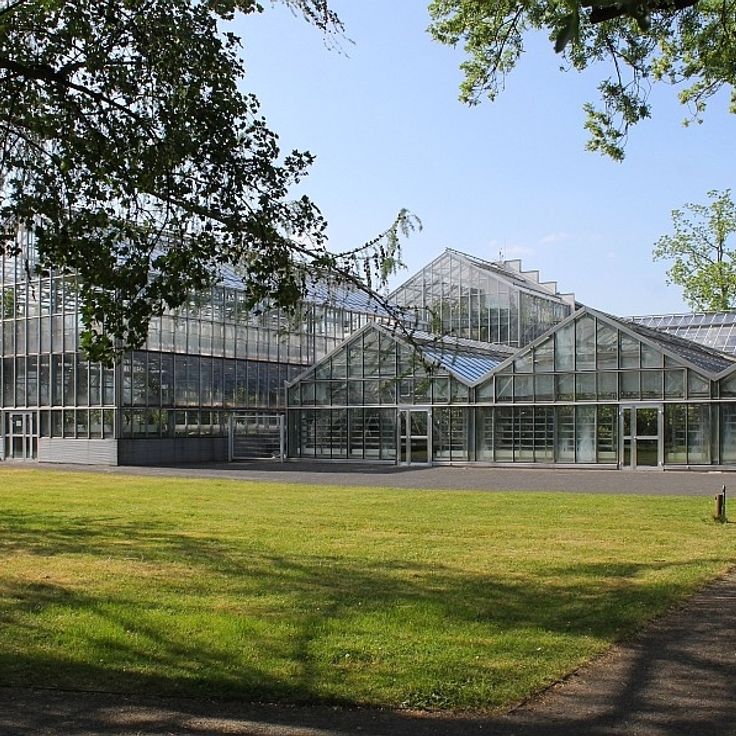
The Botanical Garden Leipzig is one of the hidden locations that define alternative Leipzig alongside art spaces in converted factories and historic sites. This scientific garden holds 7000 plant species and was established in 1542. Its greenhouses display tropical and subtropical flora, creating a space for exploration and learning within a city known for cultural centers in former industrial buildings.
The Kunstkraftwerk is part of Leipzig's alternative cultural scene, where converted industrial buildings create new artistic spaces. Built in 1900, this building has been transformed into a center for digital art and culture. Exhibition spaces inside showcase contemporary forms of artistic expression. The Kunstkraftwerk stands alongside other sites like the Clown Museum, historic wine cellars, and the Spinnerei complex, representing a city that has reimagined its industrial past as a creative hub.
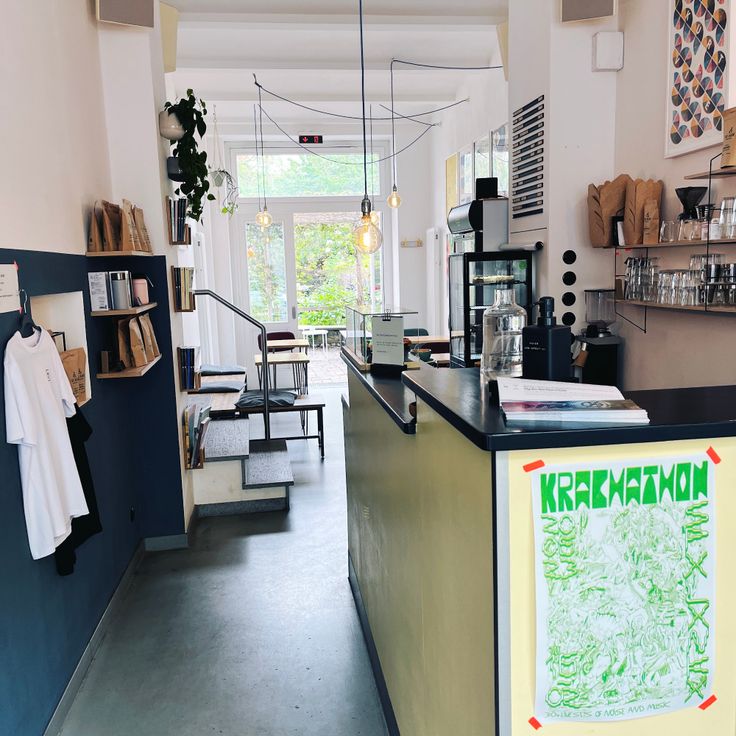
The Analogue Cafe is part of Leipzig's alternative cultural scene, located in the Südvorstadt neighborhood. This cafe roasts its own coffee beans and houses a record store, creating a space where people gather to enjoy quality coffee and vinyl music. Regular vinyl evenings draw visitors who come to listen and connect with others.
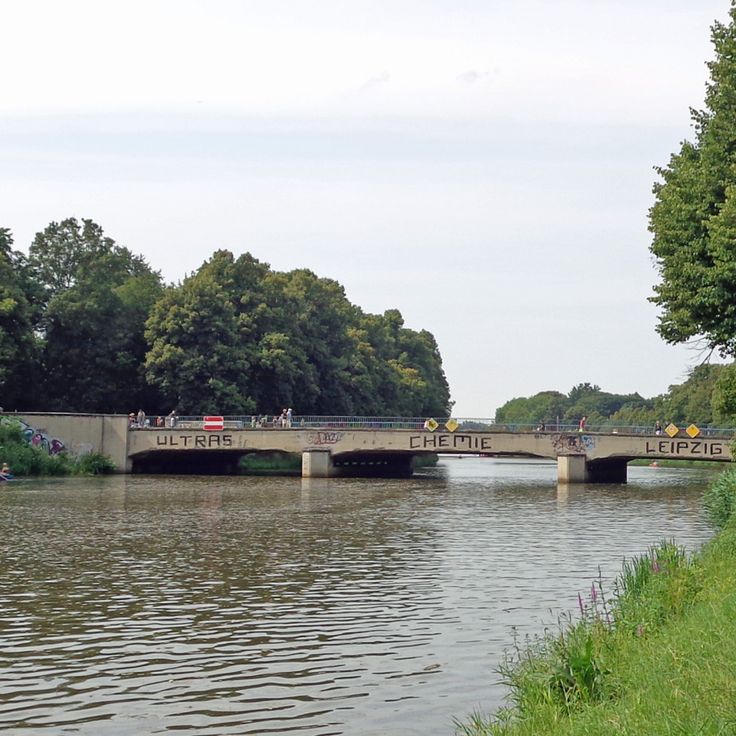
The Sachsenbrücke is a pedestrian bridge that represents hidden locations in Leipzig, a city defined by cultural centers in former factories and converted industrial buildings. This bridge connects the districts of Schleußig and Connewitz across the White Elster river within Clara Zetkin Park. It offers travelers a route through green spaces and allows them to move between different neighborhoods while experiencing the natural landscape that runs through the city.
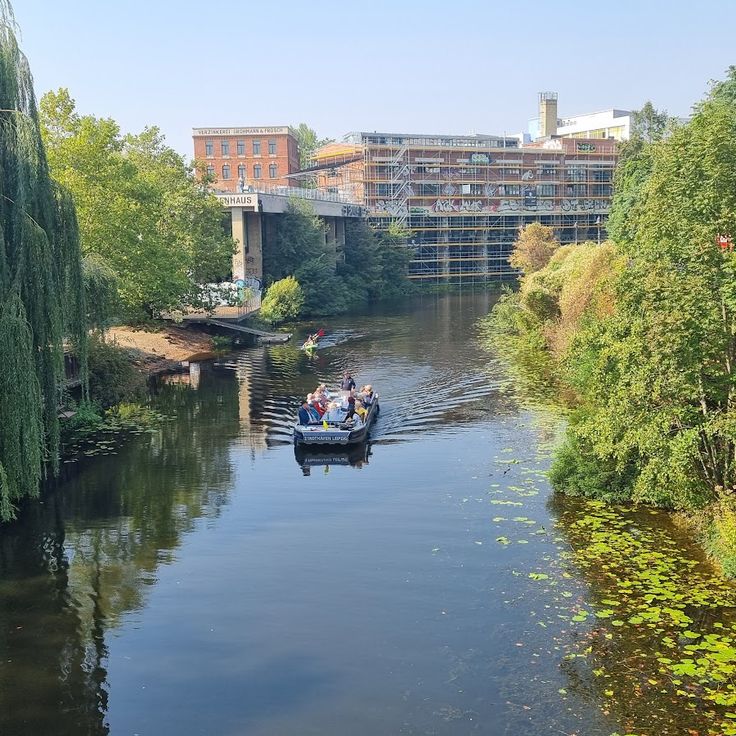
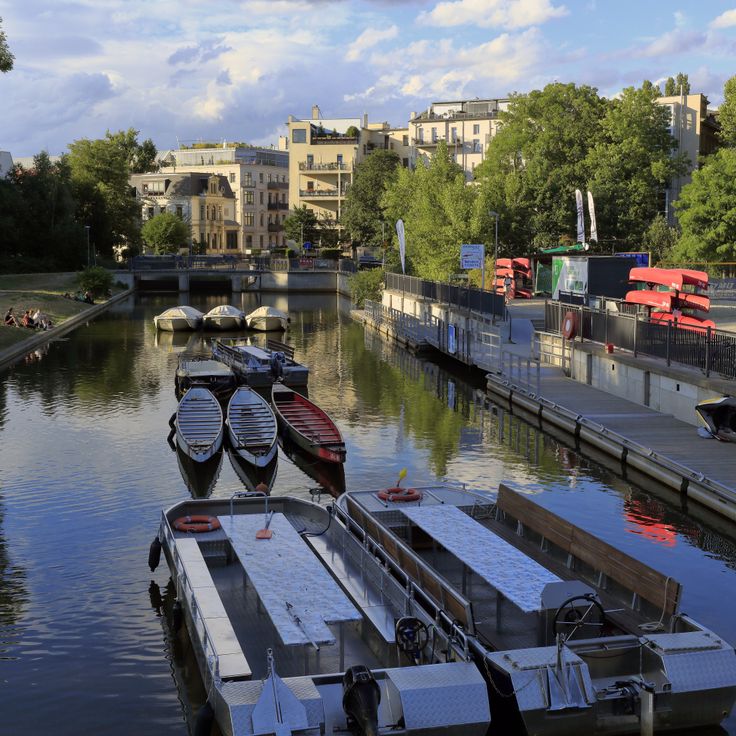
The Karl Heine Canal belongs to Leipzig's hidden locations. This waterway runs through the city and connects to Lindenau Harbor, offering pedestrian paths and boat rentals along its course. The canal reflects the transformation of former industrial areas into accessible public spaces, adding to the cultural character of alternative Leipzig.
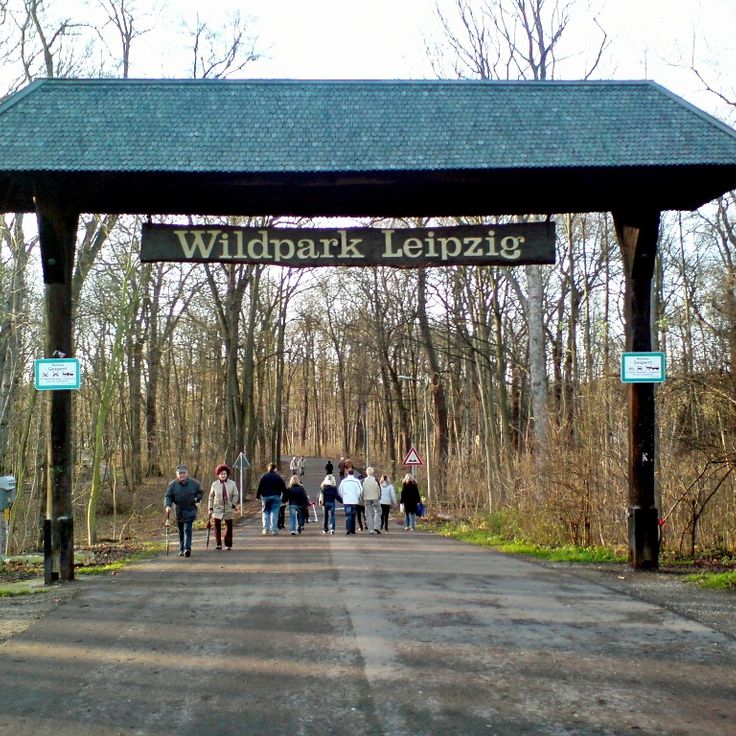
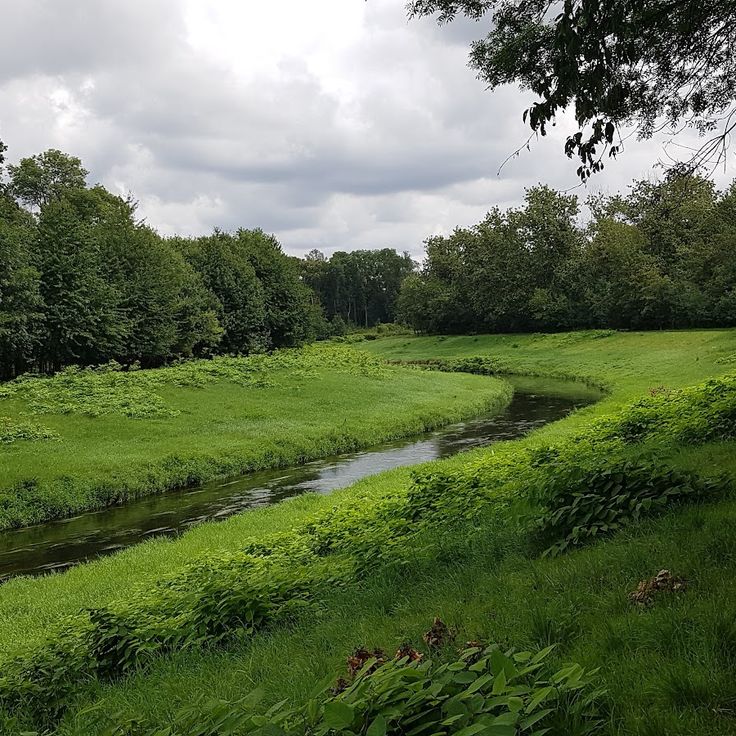
The Riverside Forest is a natural woodland strip along the Elster and Pleiße rivers that provides a counterpoint to Leipzig's alternative cultural scene. Hiking trails wind through the trees where you can spot native birds and mammals. This forest offers a break from the converted factories and art centers that define the city.
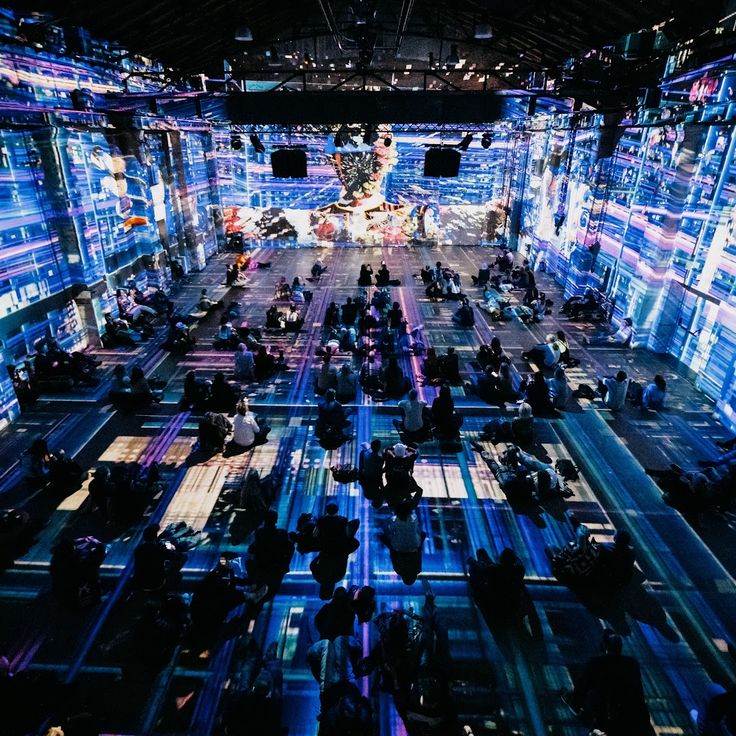
The Kunstkraftwerk is a former industrial building from 1863 that was converted into a cultural venue in 2015. It exemplifies alternative Leipzig's transformation of old factories into art spaces. The building hosts multimedia art, light installations and video projections. It represents how the city has turned industrial heritage into contemporary cultural centers that define its character.
Plagwitz is a former industrial quarter in Leipzig that now houses galleries, artist studios and cafés in repurposed 19th century factory buildings. It embodies the spirit of alternative Leipzig, where old industrial structures have been transformed into living cultural spaces. The neighborhood shows how the city has converted its industrial past into places for creative work and community gatherings.
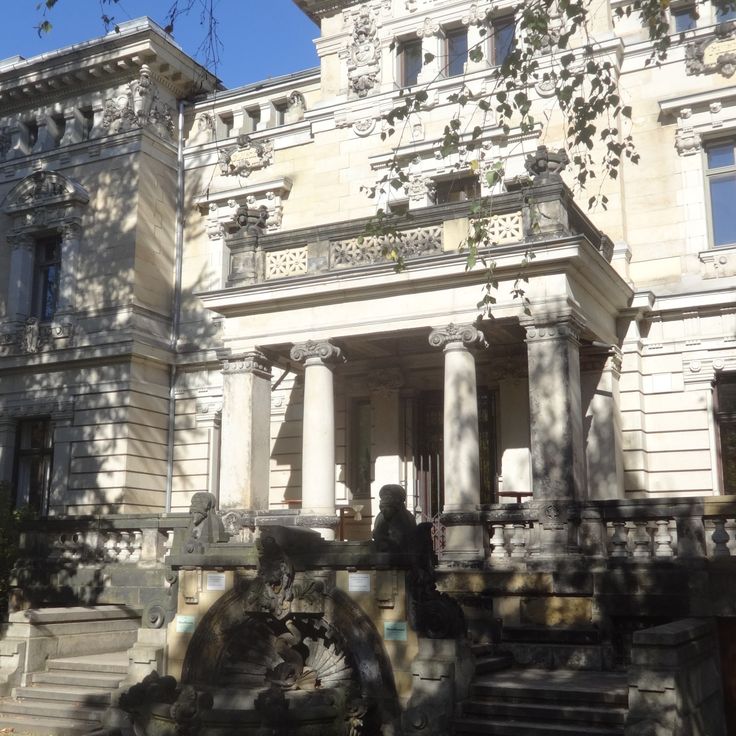
The Bülowviertel is a residential district from the 19th century that showcases the architectural diversity of alternative Leipzig. With its sandstone facades, wide streets and symmetrical housing blocks in the German Gründerzeit style, the neighborhood contrasts with the converted factory buildings and cultural centers that define the city. Here, visitors find a part of Leipzig that preserves history while embracing new cultural energy.
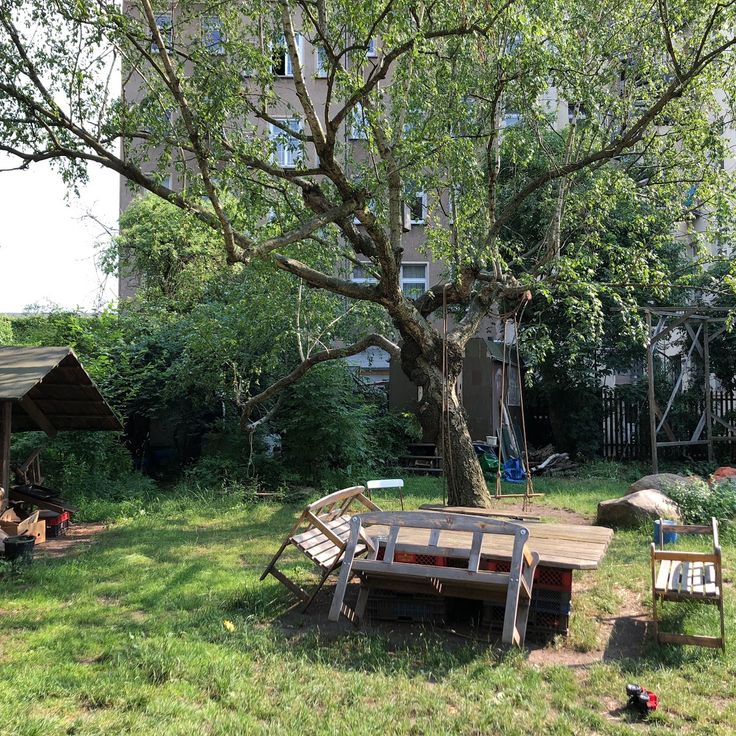
Querbeet is a community project in this city of hidden cultural locations, where residents maintain gardens together. Vegetables and herbs grow in cultivated areas, and greenhouses provide space for additional plants. The project shows how people in Leipzig find alternative ways to come together and shape their surroundings.
The Plagwitz District is a former industrial area that now forms part of Leipzig's alternative culture scene. Red brick factory buildings from the 19th century define the character of the neighborhood. Water canals running along Karl-Heine Street wind through the district and create a distinctive setting. Many of these former factory buildings have been converted into cultural centers, galleries, and art studios, much like the Spinnerei complex. The district represents Leipzig's transformation from an industrial city to a place where creative ventures flourish.
Annaberger Markt fits into Leipzig's collection of spaces born from converted industrial buildings. The market operates within a former factory hall and offers antiques, second-hand furniture, artworks and regional food products. It demonstrates how the city transforms its industrial past into cultural and commercial venues, much like the Spinnerei complex that defines alternative Leipzig.
This memorial is among the hidden locations that define alternative Leipzig, commemorating the 1813 Battle of the Nations. The 91-meter monument marks the clash between Napoleonic and Allied forces, which involved approximately 600,000 soldiers. It stands as a significant historical landmark in the city and reflects Leipzig's role during the Napoleonic Wars, complementing the city's cultural offerings alongside its museums, art complexes, and converted industrial spaces.
The Spoon Family neon sign stands on Karl-Liebknecht Street and displays a family of spoons as a symbol of GDR consumer culture. Within Leipzig's alternative cultural landscape, where converted factories and art complexes like the Spinnerei shape the city, this sign installed in 1973 represents a piece of East German history. The glowing artwork documents daily life and economic conditions of a bygone era.
The Round Corner Museum occupies the former headquarters of the Stasi, East Germany's secret police, and displays how this agency operated from 1950 to 1989. Inside, you can see original surveillance equipment and files that reveal the methods used to monitor citizens. This museum fits naturally into Leipzig's alternative cultural scene, where old industrial buildings now serve as galleries, art centers, and exhibition spaces.
Zoo Leipzig houses around 850 animal species in large enclosures with rivers and forests. The facility includes Gondwanaland, a tropical rainforest area. The zoo fits into alternative Leipzig's character, where cultural spaces often inhabit repurposed industrial buildings and converted historic sites.
The Panometer Leipzig is a former gasometer that now displays large circular paintings. The artworks hang at 32 meters high and span 110 meters in circumference, covering historical and natural themes. This converted industrial building is part of Leipzig's alternative cultural landscape, alongside the Clown Museum, historic wine cellars, and other repurposed factories. The city features cultural centers in former industrial spaces, botanical gardens, and monuments. The Spinnerei art complex and the Panometer together define much of what makes Leipzig's cultural scene distinctive for visitors seeking something different.
Auerbach's Cellar is a wine restaurant dating back more than 500 years and represents the hidden cultural side of Leipzig. Located in Mädler Passage, this 16th-century establishment serves German cuisine in vaulted rooms. The restaurant appears in Goethe's Faust and attracts visitors seeking traditional dining in a historic setting among the city's alternative cultural venues.
The Spinnerei is a former cotton factory from 1884 that now hosts galleries, artist studios and contemporary art exhibitions. As part of alternative Leipzig, this converted industrial complex joins other transformed factory buildings that shape the city's cultural character. Across its sprawling grounds, creative spaces and exhibition areas provide room for artists to work and share their practice.
The Gustav II Adolf Monument is part of Leipzig's alternative cultural landscape, where historic monuments stand alongside converted factory buildings and art complexes. This bronze statue of the Swedish king sits on a granite pedestal and was erected in 1832 to mark the 200th anniversary of his death. The monument reflects the city's connection to important historical events.
The Francke Collections showcase natural science objects from the 18th century, fitting within the scope of hidden cultural locations like those found in Leipzig. The museum houses minerals, stuffed animals, and historical scientific instruments that reflect how people understood the natural world centuries ago. This collection complements Leipzig's variety of museums and art centers housed in converted factories and historic spaces.
The Shaking Tower is a 30-meter metal structure built in 1995 that moves when strong winds hit it. This tower shows the experimental architecture that shapes Leipzig's transformation from an industrial city to a cultural center. The moving structure fits into the collection of alternative locations in the city, where converted factories, art complexes, and unexpected buildings define modern Leipzig.
The Cineding Film Theater is a small cinema with 50 seats housed in a historic building, fitting into Leipzig's alternative cultural scene. Like other venues in the city, it uses an existing structure to create contemporary culture. The cinema shows documentary films and international productions, contributing to the diverse film culture that defines alternative Leipzig alongside art complexes and converted industrial spaces.
The Grafischer Hof is part of Leipzig's alternative cultural scene, alongside the Clown Museum, historic wine cellars, and repurposed industrial buildings. This former printing facility now houses artist studios, small shops, restaurants, and exhibition spaces arranged around an inner courtyard. The site shows how the city has transformed its industrial past into living cultural spaces, much like the Spinnerei and Panometer.
Kulturfabrik Werk 2 is a former industrial building that now serves as a cultural center, fitting perfectly into alternative Leipzig's landscape of converted factories and art spaces. The site features concert stages, exhibition halls, a cinema and rehearsal rooms for musicians. The historic structure shows how old industrial spaces can be transformed into vibrant places for creative work and cultural exchange.
The Budde-Haus is a restored 19th-century building in the Gohlis district that embodies the spirit of alternative Leipzig. This renovated structure hosts event spaces, operates a beer garden, and presents regular art exhibitions. It represents the kind of cultural space found throughout the city, where former industrial buildings and historic structures have been transformed into vibrant venues for art, community gatherings, and creative expression.
The MS Weltfrieden is a motorboat on the Karl Heine Canal that offers tours through Leipzig's canal system. The cruises explain the city's industrial past. This vessel fits into alternative Leipzig's cultural offerings, where former factories have been converted into art spaces and museums.
The Botanical Garden Leipzig is one of the hidden locations that define alternative Leipzig alongside art spaces in converted factories and historic sites. This scientific garden holds 7000 plant species and was established in 1542. Its greenhouses display tropical and subtropical flora, creating a space for exploration and learning within a city known for cultural centers in former industrial buildings.
The Kunstkraftwerk is part of Leipzig's alternative cultural scene, where converted industrial buildings create new artistic spaces. Built in 1900, this building has been transformed into a center for digital art and culture. Exhibition spaces inside showcase contemporary forms of artistic expression. The Kunstkraftwerk stands alongside other sites like the Clown Museum, historic wine cellars, and the Spinnerei complex, representing a city that has reimagined its industrial past as a creative hub.
The Analogue Cafe is part of Leipzig's alternative cultural scene, located in the Südvorstadt neighborhood. This cafe roasts its own coffee beans and houses a record store, creating a space where people gather to enjoy quality coffee and vinyl music. Regular vinyl evenings draw visitors who come to listen and connect with others.
The Sachsenbrücke is a pedestrian bridge that represents hidden locations in Leipzig, a city defined by cultural centers in former factories and converted industrial buildings. This bridge connects the districts of Schleußig and Connewitz across the White Elster river within Clara Zetkin Park. It offers travelers a route through green spaces and allows them to move between different neighborhoods while experiencing the natural landscape that runs through the city.
The Karl Heine Canal belongs to Leipzig's hidden locations. This waterway runs through the city and connects to Lindenau Harbor, offering pedestrian paths and boat rentals along its course. The canal reflects the transformation of former industrial areas into accessible public spaces, adding to the cultural character of alternative Leipzig.
The Riverside Forest is a natural woodland strip along the Elster and Pleiße rivers that provides a counterpoint to Leipzig's alternative cultural scene. Hiking trails wind through the trees where you can spot native birds and mammals. This forest offers a break from the converted factories and art centers that define the city.
The Kunstkraftwerk is a former industrial building from 1863 that was converted into a cultural venue in 2015. It exemplifies alternative Leipzig's transformation of old factories into art spaces. The building hosts multimedia art, light installations and video projections. It represents how the city has turned industrial heritage into contemporary cultural centers that define its character.
Plagwitz is a former industrial quarter in Leipzig that now houses galleries, artist studios and cafés in repurposed 19th century factory buildings. It embodies the spirit of alternative Leipzig, where old industrial structures have been transformed into living cultural spaces. The neighborhood shows how the city has converted its industrial past into places for creative work and community gatherings.
The Bülowviertel is a residential district from the 19th century that showcases the architectural diversity of alternative Leipzig. With its sandstone facades, wide streets and symmetrical housing blocks in the German Gründerzeit style, the neighborhood contrasts with the converted factory buildings and cultural centers that define the city. Here, visitors find a part of Leipzig that preserves history while embracing new cultural energy.
Querbeet is a community project in this city of hidden cultural locations, where residents maintain gardens together. Vegetables and herbs grow in cultivated areas, and greenhouses provide space for additional plants. The project shows how people in Leipzig find alternative ways to come together and shape their surroundings.
The Plagwitz District is a former industrial area that now forms part of Leipzig's alternative culture scene. Red brick factory buildings from the 19th century define the character of the neighborhood. Water canals running along Karl-Heine Street wind through the district and create a distinctive setting. Many of these former factory buildings have been converted into cultural centers, galleries, and art studios, much like the Spinnerei complex. The district represents Leipzig's transformation from an industrial city to a place where creative ventures flourish.
Annaberger Markt fits into Leipzig's collection of spaces born from converted industrial buildings. The market operates within a former factory hall and offers antiques, second-hand furniture, artworks and regional food products. It demonstrates how the city transforms its industrial past into cultural and commercial venues, much like the Spinnerei complex that defines alternative Leipzig.
This memorial is among the hidden locations that define alternative Leipzig, commemorating the 1813 Battle of the Nations. The 91-meter monument marks the clash between Napoleonic and Allied forces, which involved approximately 600,000 soldiers. It stands as a significant historical landmark in the city and reflects Leipzig's role during the Napoleonic Wars, complementing the city's cultural offerings alongside its museums, art complexes, and converted industrial spaces.
The Spoon Family neon sign stands on Karl-Liebknecht Street and displays a family of spoons as a symbol of GDR consumer culture. Within Leipzig's alternative cultural landscape, where converted factories and art complexes like the Spinnerei shape the city, this sign installed in 1973 represents a piece of East German history. The glowing artwork documents daily life and economic conditions of a bygone era.
The Round Corner Museum occupies the former headquarters of the Stasi, East Germany's secret police, and displays how this agency operated from 1950 to 1989. Inside, you can see original surveillance equipment and files that reveal the methods used to monitor citizens. This museum fits naturally into Leipzig's alternative cultural scene, where old industrial buildings now serve as galleries, art centers, and exhibition spaces.
Zoo Leipzig houses around 850 animal species in large enclosures with rivers and forests. The facility includes Gondwanaland, a tropical rainforest area. The zoo fits into alternative Leipzig's character, where cultural spaces often inhabit repurposed industrial buildings and converted historic sites.
The Panometer Leipzig is a former gasometer that now displays large circular paintings. The artworks hang at 32 meters high and span 110 meters in circumference, covering historical and natural themes. This converted industrial building is part of Leipzig's alternative cultural landscape, alongside the Clown Museum, historic wine cellars, and other repurposed factories. The city features cultural centers in former industrial spaces, botanical gardens, and monuments. The Spinnerei art complex and the Panometer together define much of what makes Leipzig's cultural scene distinctive for visitors seeking something different.
Auerbach's Cellar is a wine restaurant dating back more than 500 years and represents the hidden cultural side of Leipzig. Located in Mädler Passage, this 16th-century establishment serves German cuisine in vaulted rooms. The restaurant appears in Goethe's Faust and attracts visitors seeking traditional dining in a historic setting among the city's alternative cultural venues.
The Spinnerei is a former cotton factory from 1884 that now hosts galleries, artist studios and contemporary art exhibitions. As part of alternative Leipzig, this converted industrial complex joins other transformed factory buildings that shape the city's cultural character. Across its sprawling grounds, creative spaces and exhibition areas provide room for artists to work and share their practice.
The Gustav II Adolf Monument is part of Leipzig's alternative cultural landscape, where historic monuments stand alongside converted factory buildings and art complexes. This bronze statue of the Swedish king sits on a granite pedestal and was erected in 1832 to mark the 200th anniversary of his death. The monument reflects the city's connection to important historical events.
The Francke Collections showcase natural science objects from the 18th century, fitting within the scope of hidden cultural locations like those found in Leipzig. The museum houses minerals, stuffed animals, and historical scientific instruments that reflect how people understood the natural world centuries ago. This collection complements Leipzig's variety of museums and art centers housed in converted factories and historic spaces.
The Shaking Tower is a 30-meter metal structure built in 1995 that moves when strong winds hit it. This tower shows the experimental architecture that shapes Leipzig's transformation from an industrial city to a cultural center. The moving structure fits into the collection of alternative locations in the city, where converted factories, art complexes, and unexpected buildings define modern Leipzig.
The Cineding Film Theater is a small cinema with 50 seats housed in a historic building, fitting into Leipzig's alternative cultural scene. Like other venues in the city, it uses an existing structure to create contemporary culture. The cinema shows documentary films and international productions, contributing to the diverse film culture that defines alternative Leipzig alongside art complexes and converted industrial spaces.
The Grafischer Hof is part of Leipzig's alternative cultural scene, alongside the Clown Museum, historic wine cellars, and repurposed industrial buildings. This former printing facility now houses artist studios, small shops, restaurants, and exhibition spaces arranged around an inner courtyard. The site shows how the city has transformed its industrial past into living cultural spaces, much like the Spinnerei and Panometer.
Kulturfabrik Werk 2 is a former industrial building that now serves as a cultural center, fitting perfectly into alternative Leipzig's landscape of converted factories and art spaces. The site features concert stages, exhibition halls, a cinema and rehearsal rooms for musicians. The historic structure shows how old industrial spaces can be transformed into vibrant places for creative work and cultural exchange.
The Budde-Haus is a restored 19th-century building in the Gohlis district that embodies the spirit of alternative Leipzig. This renovated structure hosts event spaces, operates a beer garden, and presents regular art exhibitions. It represents the kind of cultural space found throughout the city, where former industrial buildings and historic structures have been transformed into vibrant venues for art, community gatherings, and creative expression.
The MS Weltfrieden is a motorboat on the Karl Heine Canal that offers tours through Leipzig's canal system. The cruises explain the city's industrial past. This vessel fits into alternative Leipzig's cultural offerings, where former factories have been converted into art spaces and museums.
The Botanical Garden Leipzig is one of the hidden locations that define alternative Leipzig alongside art spaces in converted factories and historic sites. This scientific garden holds 7000 plant species and was established in 1542. Its greenhouses display tropical and subtropical flora, creating a space for exploration and learning within a city known for cultural centers in former industrial buildings.
The Kunstkraftwerk is part of Leipzig's alternative cultural scene, where converted industrial buildings create new artistic spaces. Built in 1900, this building has been transformed into a center for digital art and culture. Exhibition spaces inside showcase contemporary forms of artistic expression. The Kunstkraftwerk stands alongside other sites like the Clown Museum, historic wine cellars, and the Spinnerei complex, representing a city that has reimagined its industrial past as a creative hub.
The Analogue Cafe is part of Leipzig's alternative cultural scene, located in the Südvorstadt neighborhood. This cafe roasts its own coffee beans and houses a record store, creating a space where people gather to enjoy quality coffee and vinyl music. Regular vinyl evenings draw visitors who come to listen and connect with others.
The Sachsenbrücke is a pedestrian bridge that represents hidden locations in Leipzig, a city defined by cultural centers in former factories and converted industrial buildings. This bridge connects the districts of Schleußig and Connewitz across the White Elster river within Clara Zetkin Park. It offers travelers a route through green spaces and allows them to move between different neighborhoods while experiencing the natural landscape that runs through the city.
The Karl Heine Canal belongs to Leipzig's hidden locations. This waterway runs through the city and connects to Lindenau Harbor, offering pedestrian paths and boat rentals along its course. The canal reflects the transformation of former industrial areas into accessible public spaces, adding to the cultural character of alternative Leipzig.
The Riverside Forest is a natural woodland strip along the Elster and Pleiße rivers that provides a counterpoint to Leipzig's alternative cultural scene. Hiking trails wind through the trees where you can spot native birds and mammals. This forest offers a break from the converted factories and art centers that define the city.
The Kunstkraftwerk is a former industrial building from 1863 that was converted into a cultural venue in 2015. It exemplifies alternative Leipzig's transformation of old factories into art spaces. The building hosts multimedia art, light installations and video projections. It represents how the city has turned industrial heritage into contemporary cultural centers that define its character.
Plagwitz is a former industrial quarter in Leipzig that now houses galleries, artist studios and cafés in repurposed 19th century factory buildings. It embodies the spirit of alternative Leipzig, where old industrial structures have been transformed into living cultural spaces. The neighborhood shows how the city has converted its industrial past into places for creative work and community gatherings.
The Bülowviertel is a residential district from the 19th century that showcases the architectural diversity of alternative Leipzig. With its sandstone facades, wide streets and symmetrical housing blocks in the German Gründerzeit style, the neighborhood contrasts with the converted factory buildings and cultural centers that define the city. Here, visitors find a part of Leipzig that preserves history while embracing new cultural energy.
Querbeet is a community project in this city of hidden cultural locations, where residents maintain gardens together. Vegetables and herbs grow in cultivated areas, and greenhouses provide space for additional plants. The project shows how people in Leipzig find alternative ways to come together and shape their surroundings.
The Plagwitz District is a former industrial area that now forms part of Leipzig's alternative culture scene. Red brick factory buildings from the 19th century define the character of the neighborhood. Water canals running along Karl-Heine Street wind through the district and create a distinctive setting. Many of these former factory buildings have been converted into cultural centers, galleries, and art studios, much like the Spinnerei complex. The district represents Leipzig's transformation from an industrial city to a place where creative ventures flourish.
Annaberger Markt fits into Leipzig's collection of spaces born from converted industrial buildings. The market operates within a former factory hall and offers antiques, second-hand furniture, artworks and regional food products. It demonstrates how the city transforms its industrial past into cultural and commercial venues, much like the Spinnerei complex that defines alternative Leipzig.