Georgengarten, English landscape garden in Nord district, Hannover, Germany
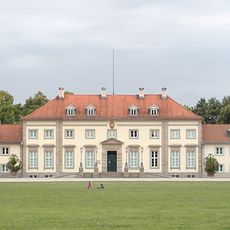
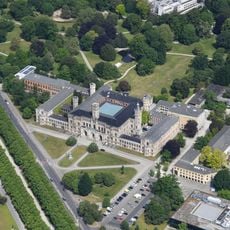
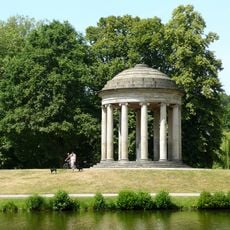
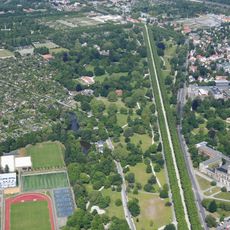
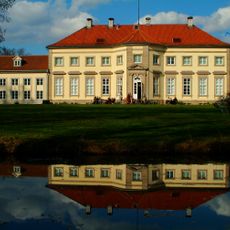
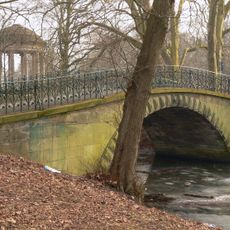
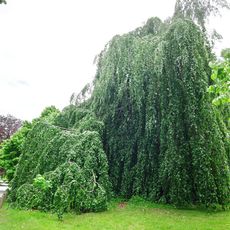
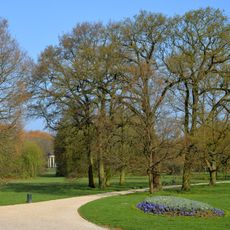
Georgengarten is an English garden in the Nord district of Hannover with lawns, tree groupings, and a lime tree avenue that leads through the grounds. The site contains the Wilhelm-Busch-Museum housed in Georgenpalais, along with an iron footbridge and a temple with classical columns.
Around 1700 noble families built country estates in the Leine floodplain, and in 1768 Count Johann Ludwig von Wallmoden-Gimborn merged their gardens into the Wallmodengarten. From 1828 to 1843 the grounds were remade as an English landscape park, with the former canals enlarged into ponds, and in 1835 head gardener Christian Schaumburg took charge of the redesign. The park was renamed after King George IV.
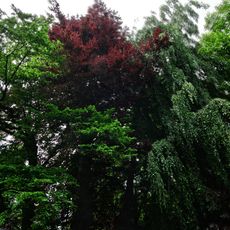
The garden serves as a place for walks and rest, with shaded paths under old trees that invite lingering. People use the open lawns for picnics and quiet moments, especially during warmer months.
The park is accessible from several sides and sits next to the well-known Herrenhäuser Gardens, making combined visits possible. Public transportation is nearby and there is plenty of space for walking around on foot.
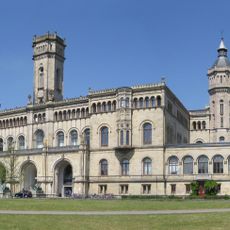
The Leibniz Temple, a round colonnade, was built 1787–1790 on the former parade ground at today's Waterlooplatz and moved to the park centre in 1935. Of Laves's three bridges, only the Friederikenbrücke of 1840 survives, linking the Georgengarten with the Großer Garten. On warm evenings students from nearby Leibniz University gather at the temple.
The community of curious travelers
AroundUs brings together thousands of curated places, local tips, and hidden gems, enriched daily by 93,943 contributors worldwide.