Grossherzoglich-Hessische Porzellansammlung, Darmstadt, Germany
The Grossherzoglich-Hessische Porzellansammlung is a museum in Darmstadt displaying over 4000 objects of faience, stoneware, and porcelain from various European manufactories spanning the early 18th to late 19th century. The collection includes everyday tableware and decorative figures from makers such as Meißen, Sèvres, Vienna, and the local Kelsterbach factory.
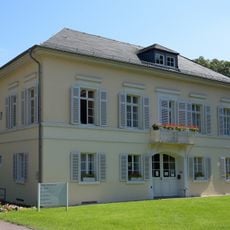
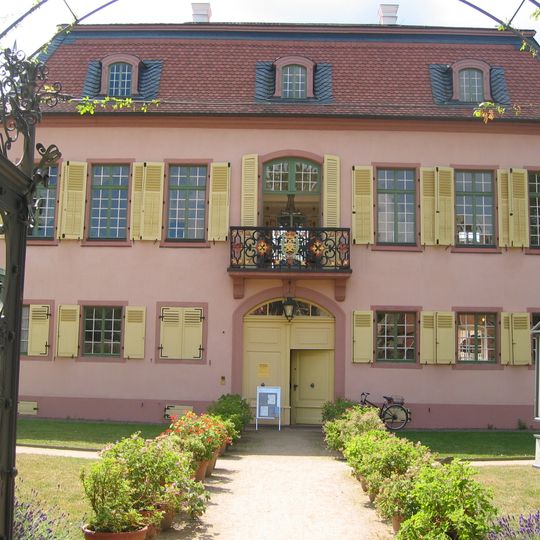
The collection was founded by Grand Duke Ernst Ludwig of Hesse and opened to the public in 1908. Following World War II damage, it was returned to the Prinz-Georg-Palais in 1951 and reopened in 1999 after restoration work.
The collection reflects the tastes and connections of the grand ducal family across Europe. These pieces reveal how porcelain was used in noble households to display wealth and refined taste through generations.
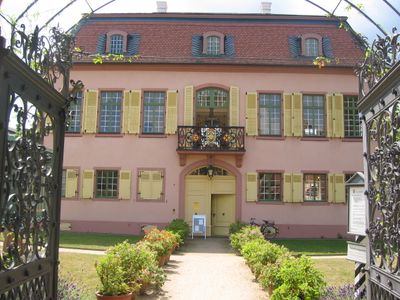
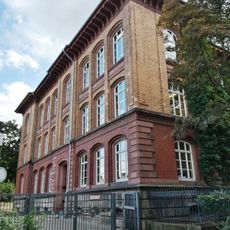
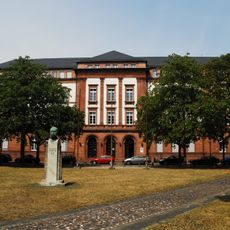
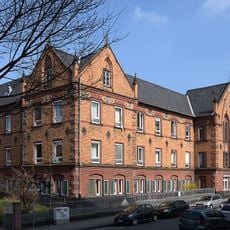
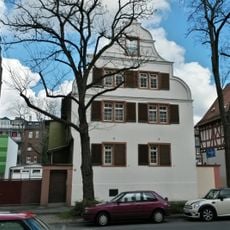
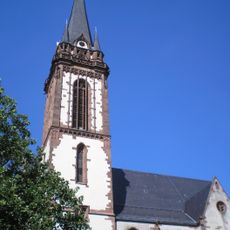
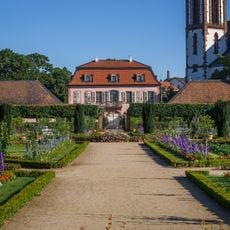
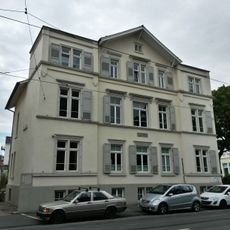
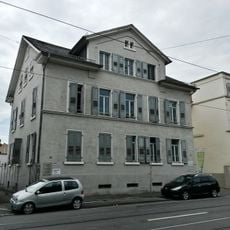
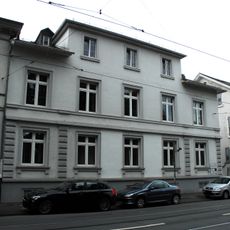
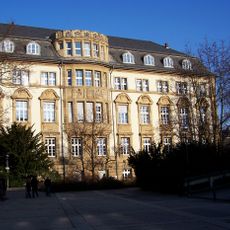
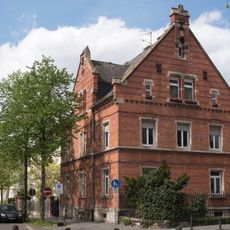
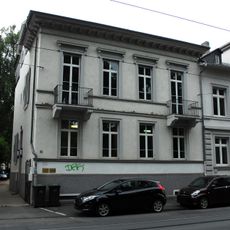
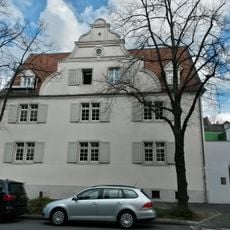
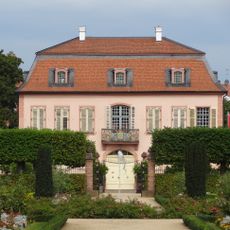
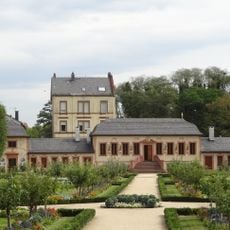
The museum is located adjacent to the Herrngarten park and housed in a historic palace building within Darmstadt's garden district. Visitors should allow time to carefully observe the well-labeled objects and appreciate the fine craftsmanship on display.
The Russian porcelain collection represents a diplomatic exchange between Darmstadt's rulers and Russian czars, with many pieces given as personal gifts. These objects were made exclusively for court use and never sold publicly, making them particularly rare and valuable within the collection.
The community of curious travelers
AroundUs brings together thousands of curated places, local tips, and hidden gems, enriched daily by 92,643 contributors worldwide.