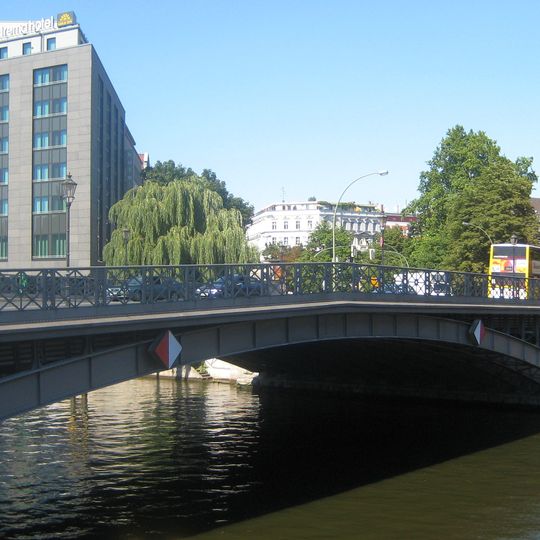
Gotzkowskybrücke, Steel bridge in Moabit, Germany
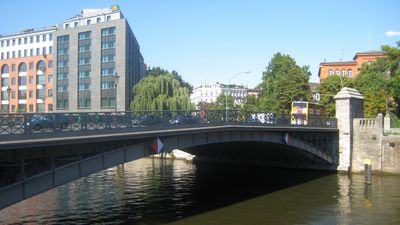
The Gotzkowskybrücke is a steel structure spanning the Spree River and connecting the districts of Moabit and Charlottenburg. The bridge accommodates both vehicular traffic and pedestrians with its variable width design.
A first wooden bridge with a fixed deck was built here between 1886 and 1888, replacing a ferry and named after the merchant Johann Ernst Gotzkowsky. The present four-lane road bridge was built from 1910 to 1911. At the end of the Second World War, German Wehrmacht soldiers blew it up, destroying 10 of its 13 arch girders; it was rebuilt in simplified form by 1949.
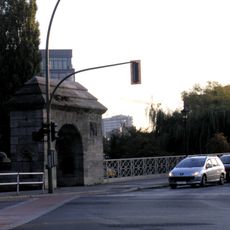
The bridge is named after Johann Ernst Gotzkowsky (1710–1775), a merchant who founded the Royal Porcelain Manufactory. The wooden bridge of 1886–1888 replaced a ferry that had carried workers to the new Moabit factories. On the Moabit side, Alfred Grenander built a decorative arch recalling a city gate, marking the former border with Charlottenburg.
The bridge is open daily for pedestrians and vehicles, offering direct access across the Spree. Visitors can view the steel structure and surrounding cityscape from the bridge itself or from the riverbanks on either side.
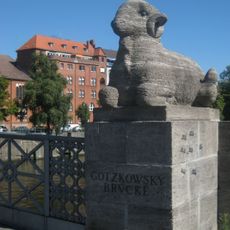
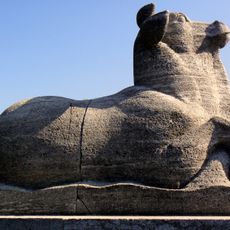
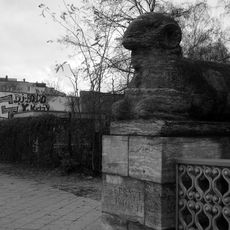
On the Moabit side, Alfred Grenander added a decorative arch recalling a city gate, marking the former border between Berlin and the then-independent Charlottenburg. A staircase behind it links the Gotzkowskystraße footpath with the riverside promenade at Wikingerufer. Walther Schmarje made the Jugendstil animal sculptures on the remaining corner piers: two fish-tailed rams on the Charlottenburg side and a bull on the Moabit side.
The community of curious travelers
AroundUs brings together thousands of curated places, local tips, and hidden gems, enriched daily by 94,641 contributors worldwide.