Kloster Uetersen, Cistercian nunnery in Uetersen, Germany
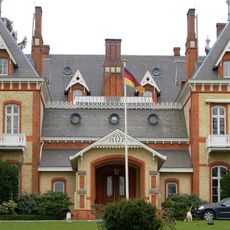
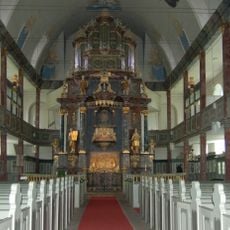
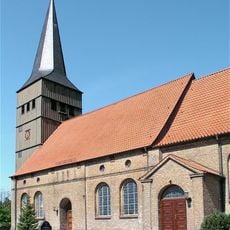
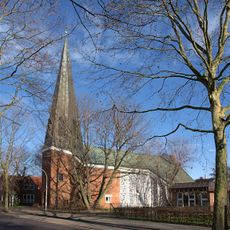
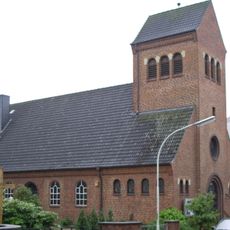
Kloster Uetersen is a monastery complex in Schleswig-Holstein with buildings spanning different periods that together form a historical whole. The southern wing displays brick Gothic style, the prioress residence was built in 1644, and the church was constructed between 1747 and 1749.
Heinrich II von Barmstede founded this monastery in 1234 by bringing twelve nuns from Reinbek monastery to establish a new Cistercian community. After the Reformation in 1555, its purpose transformed when it became a foundation for unmarried women of noble birth.
The name Uetersen comes from "uterst End", the outermost end of the Barmstede knights' territory, where the monastery was founded in 1234. Since 1555 the convent has been a noble ladies' foundation; its members, called Stiftsdamen or Konventualinnen, were unmarried noblewomen. In 1996 the convent still counted the prioress and seven ladies, none of whom lived on the grounds; the conventual houses are rented out.
The former cloister courtyard is now the Jungfernfriedhof, where well-preserved classical-style grave monuments from the foundation's early period stand. The Prioress's House serves as the restaurant "Die Klosterküche" and is open to visitors; its old convent hall on the first floor is used by the registry office for civil weddings. The baroque church of 1747–1749 lies between the convent and the cemetery.
The monastery's landholdings once stretched across a vast area from Neumünster to Altona and included their own economic enterprises such as brickyards and mills. This scale of property and economic power reveals how influential the community was in the region.
The community of curious travelers
AroundUs brings together thousands of curated places, local tips, and hidden gems, enriched daily by 92,617 contributors worldwide.