Stiftskirche Walbeck, Ottonian church ruin in Walbeck, Saxony-Anhalt, Germany
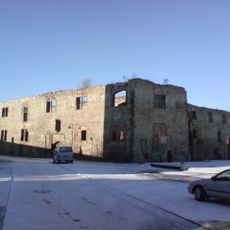
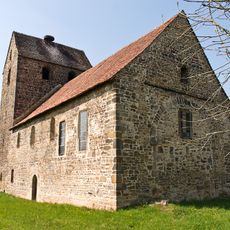
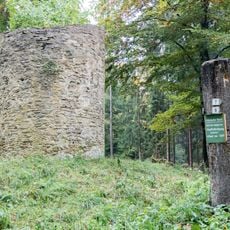
Stiftskirche Walbeck is a monastery ruin sitting on a limestone cliff above the Aller Valley in northern Saxony-Anhalt. Parts of the original walls remain standing, showing round arches and stonework that belong to both the Romanesque and pre-Romanesque periods.
Count Lothar II founded the monastery in 942 on his own castle as the family monastery of the Walbeck counts, after being pardoned for his part in a 941 conspiracy against King Otto I and obliged to build the church. His grandson Thietmar of Merseburg, provost from 1002, reconsecrated it in 1015 after a fire. The castle was razed in 1219, the community was reformed in 1591 and dissolved in 1810.
The ruin stands on a limestone ridge and is visible from much of the village, making it a natural landmark that frames everyday life in Walbeck. The thick walls and round arches that remain give a clear sense of how medieval builders worked with local stone.
The ruins are open year-round and can be explored freely without a guide. The limestone cliff offers broad views over the Aller Valley, so a visit on a clear day makes the most of the setting.
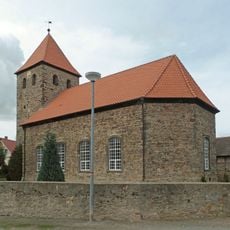
During excavations, a stone sarcophagus believed to belong to the founder of the monastery was found and moved to the parish church in the village. This means the man who built the monastery now rests just a short walk from the ruins he left behind.
The community of curious travelers
AroundUs brings together thousands of curated places, local tips, and hidden gems, enriched daily by 94,655 contributors worldwide.