Hl. Dreifaltigkeit, Catholic pilgrimage church in Kößlarn, Bavaria, Germany
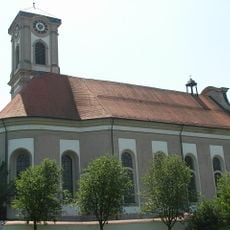
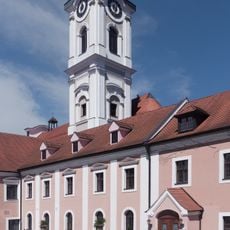
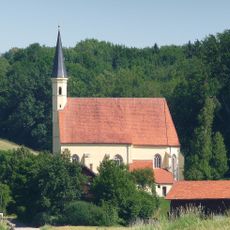
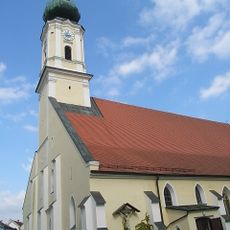
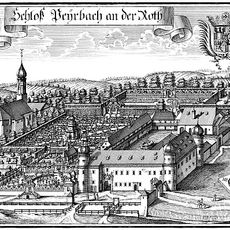
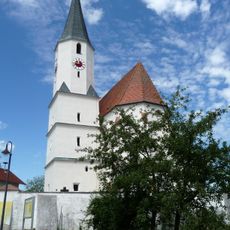
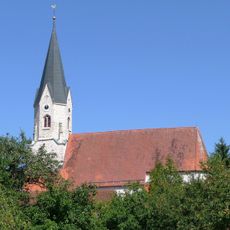
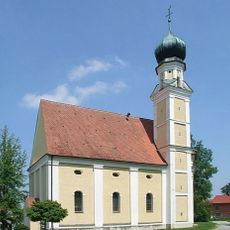
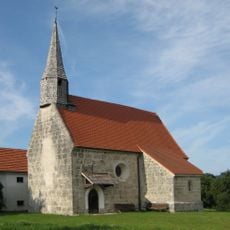
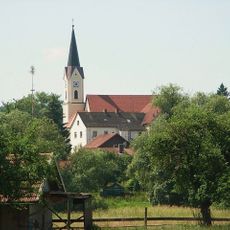
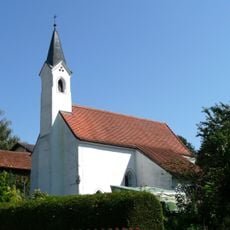
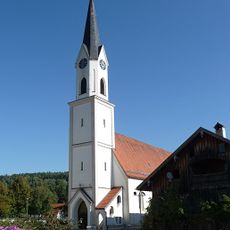
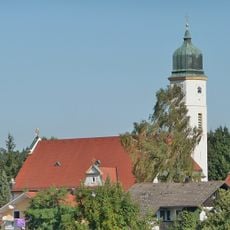
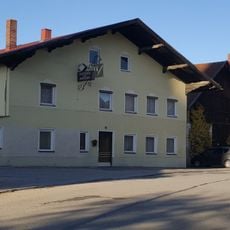
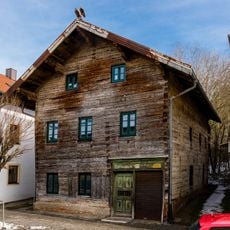
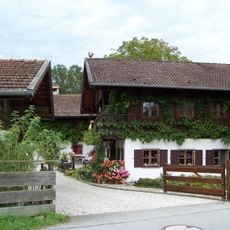
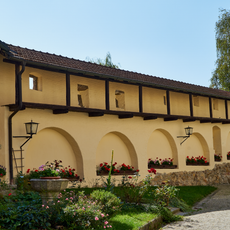
Hl. Dreifaltigkeit is a late-Gothic church in Kößlarn, its nave surrounded by a solid ring of defensive walls with two gates, the parish house, the sexton's house and the benefice house. A 50-metre tower built in 1509 and topped with a dome in 1730 rises above it. The side aisles were added in 1897, and the interior furnishings are Baroque.
In 1364 a Count of Ortenburg found a Marian image here and built a chapel; pilgrim donations funded a church in 1400. Expansions from 1440 to 1443, in 1451 and from 1461 created a fortified complex, and Abbot Wolfgang Marius of Aldersbach added a choir and seven altars between 1515 and 1518. Kößlarn became a vicariate in 1478 and a parish in 1518, and until the Reformation it was one of Bavaria's most visited Marian pilgrimage sites.
The pilgrimage began in 1364, when a Count of Ortenburg found a Marian image here and built a chapel for it; donations from the many pilgrims who followed paid for a church in 1400. The Cistercians of Aldersbach Monastery looked after the pilgrims, and Kößlarn became a parish in 1518. Until the Reformation it was one of Bavaria's most visited Marian pilgrimage sites.
The grounds are accessible throughout the year and offer space to explore the architecture freely. When visiting, wear appropriate clothing and show respect since it remains an active place of worship.
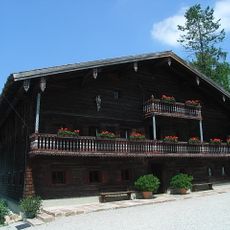
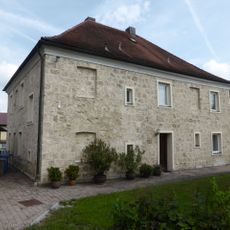
The fortified church is surrounded by a wall belt with two gates, and the parish, sexton and benefice houses belong to the complex. The church accounts survive almost without gaps from 1461, naming the builders: Michael Sallinger from 1461 to 1480, then Hans Wechselberger from 1481. The tower, 50 metres high, was built in 1509 and received its dome in 1730.
The community of curious travelers
AroundUs brings together thousands of curated places, local tips, and hidden gems, enriched daily by 94,653 contributors worldwide.