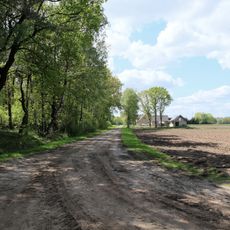
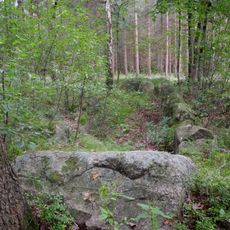
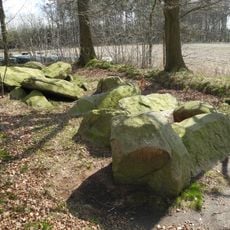
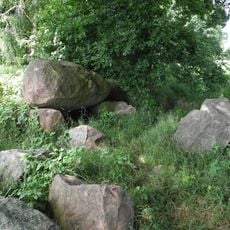
Hahnenmoor, Nature reserve near Herzlake, Germany
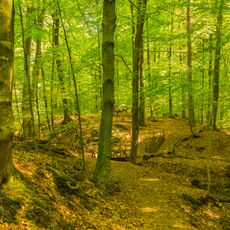
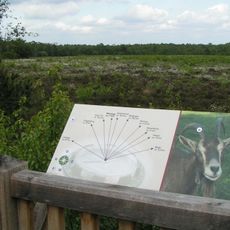
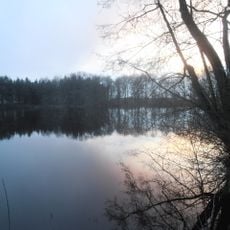
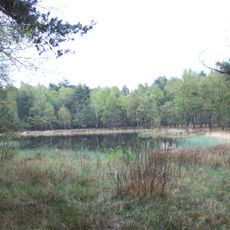
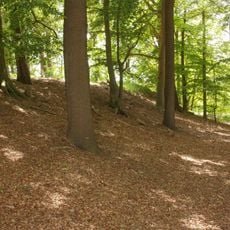
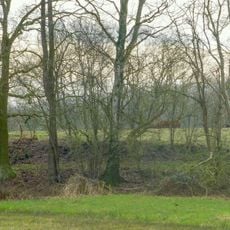
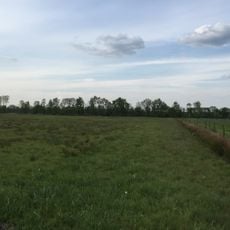
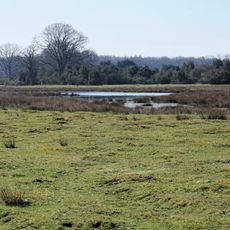
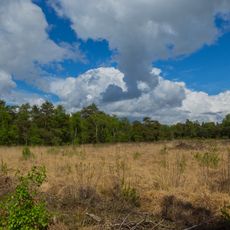
Hahnenmoor is a protected wetland reserve that covers 620 hectares across three municipalities: Berge, Dohren, and Herzlake in Lower Saxony. The landscape consists of open water, grassland, and patches of thin forest, with several walking paths running through it.
The area was heavily used for peat extraction, with operations running from the late 1950s until 1988, making it one of the most extensively worked bog areas in Lower Saxony. Once peat mining ended, the land was placed under protection to allow the moorland to recover.
For centuries, residents of the surrounding villages cut peat here as heating fuel; on drained and then burnt-off patches they harvested buckwheat, and sheep kept the regrowing shrubs and heather short while supplying wool, hides and meat. Many moor dwellers also kept beehives for honey. Where the water level is too low to stop woody growth, a flock of sheep still keeps the Hahnenmoor free of trees.
Visitors can follow marked walking paths that run through the reserve while sensitive ecological areas remain protected. It is best to visit during drier periods and avoid very wet zones to protect both the environment and your own footing.
The industrial peat cutting from 1958 to 1988 left the Hahnenmoor one of the most extensively cut-over bogs in Lower Saxony. Today dead birch trunks and tree remnants rise from the rewetted surfaces, and the scenery has been compared to paintings by Salvador Dalí. Since rewetting, cranes have chosen the moor as a breeding area, and whooper swans from the Finnish taiga often winter here.
The community of curious travelers
AroundUs brings together thousands of curated places, local tips, and hidden gems, enriched daily by 94,572 contributors worldwide.