Henneberger Land, Historical region in Thuringia, Germany
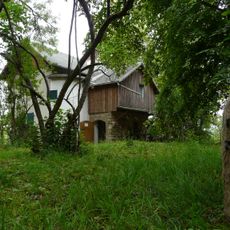
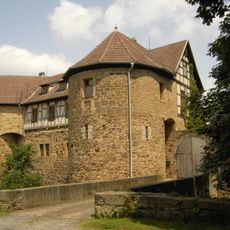
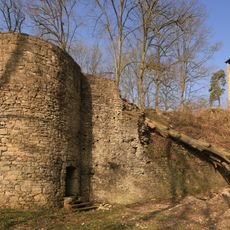
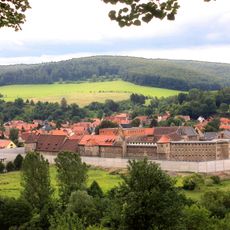
Henneberger Land is a historical region in southern Thuringia shaped by rolling hills and open countryside. The territory spreads between the Rhön mountains, slate ranges, and the Thuringian Forest, encompassing several modern districts and an independent city.
The region takes its name from the County of Henneberg, which existed from the 11th century until 1583 as part of the Franconian Imperial Circle. Following that period, the lands were divided among different rulers and shaped the territorial development of Thuringia.
The area speaks three distinct dialects - Hennebergisch, Grabfeldisch, and Itzgründisch - that show its connection to the broader Franconian region. You hear this mix of speech patterns in everyday conversations throughout the towns and villages.
The region can be explored on foot, by bicycle, or by car with good access through various routes. The Rennsteig hiking trail marks the northern boundary, serving as a useful reference point for planning visits and understanding the area's layout.
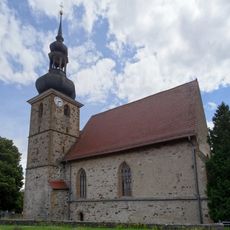
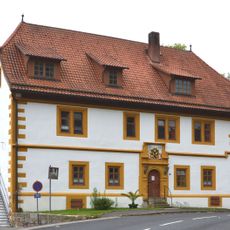
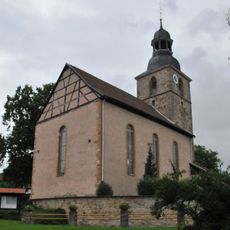
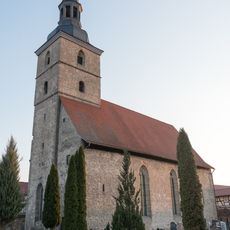
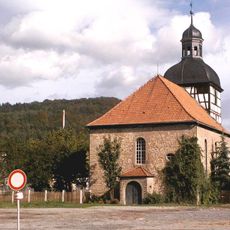
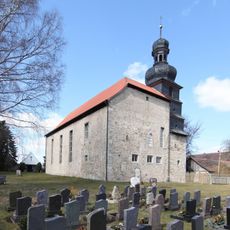
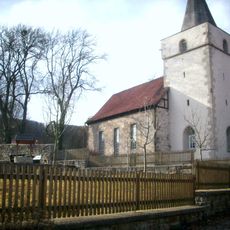
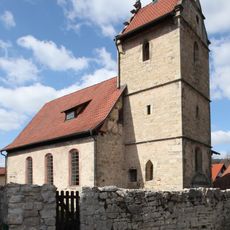
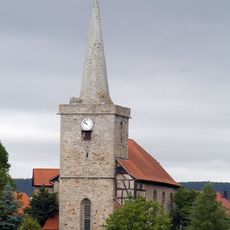
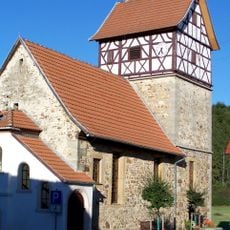
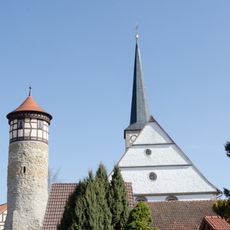
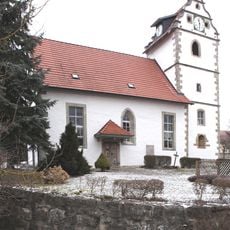
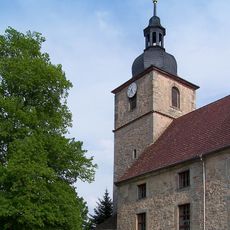
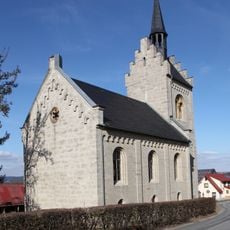
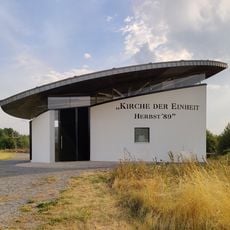
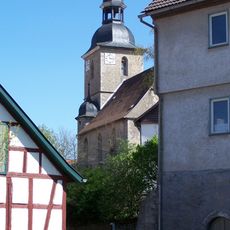
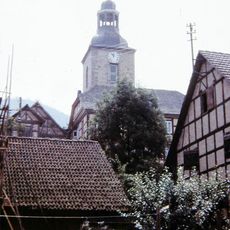
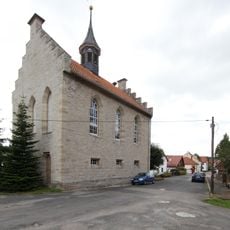
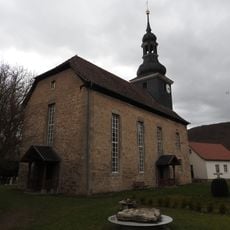
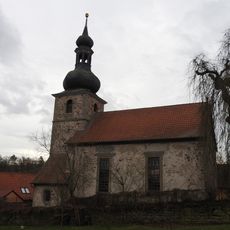
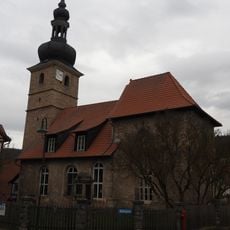
Gothic churches dominate the religious structures throughout this area, revealing the medieval importance and devotion of these communities. Scattered among them are older Romanesque and later Baroque buildings that show how architectural styles evolved over time.
The community of curious travelers
AroundUs brings together thousands of curated places, local tips, and hidden gems, enriched daily by 90,777 contributors worldwide.