Burg Liebenwerda, Castle in Bad Liebenwerda, Germany
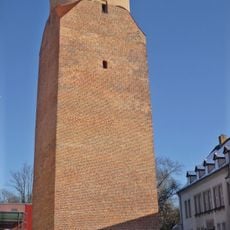
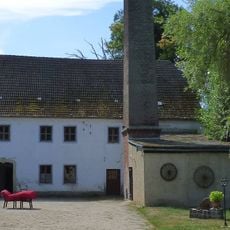
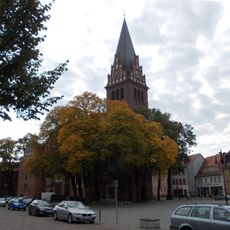
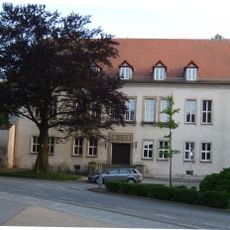
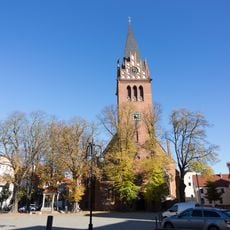
Burg Liebenwerda is a medieval fortification in Bad Liebenwerda that originated in the 12th or 13th century and was later transformed into a palace. The complex was originally laid out on an island and contained multiple courtyards with different structures, including the distinctive Lubwart Tower that rises 103 feet (31.5 meters) and remains the tallest structure on the site.
The complex was built in the 12th or 13th century as a defensive stronghold and served for generations as a seat of nobility and local administration. In the 16th century, major reconstructions transformed it into a representative palace, while fires in the 18th century caused significant damage and led to several rebuilding phases throughout the following centuries.
The castle shapes the identity of Bad Liebenwerda and serves as a place where visitors connect with the region's past. The museum exhibits and the tower itself tell stories about the people and daily life that once unfolded within these walls.
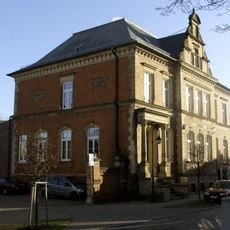
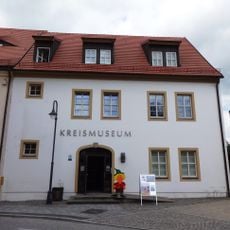
The castle grounds are located at the eastern edge of the old town and are accessible by car with nearby parking available. The Lubwart Tower can be climbed to enjoy views of the surrounding area, while the regional museum in the north wing provides information about the site's history.
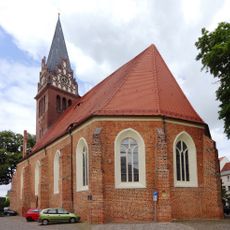
In 1519 Martin Luther met the papal nuncio Karl von Miltitz inside the castle. The Lubwart Tower burned after a lightning strike on 9 July 1699 and stayed a ruin; its loose upper stones were removed in 1830. The castle chapel is first recorded in 1330 and had two altars by 1504.
The community of curious travelers
AroundUs brings together thousands of curated places, local tips, and hidden gems, enriched daily by 93,647 contributors worldwide.