Heiliges Meer–Heupen, Nature reserve in Hopsten and Recke, Germany
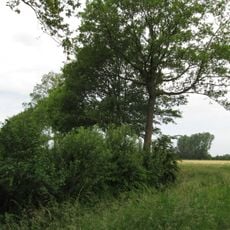
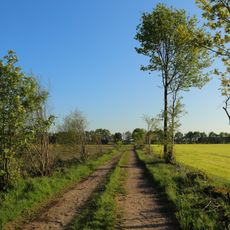
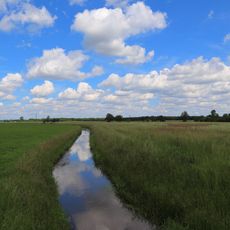
Heiliges Meer-Heupen is a nature reserve spanning approximately 260 hectares across nine sections, featuring a mix of lakes, ponds, forests, and wet grasslands. The landscape displays different natural habitats that together form a connected natural space in North Rhine-Westphalia.
The site was established in 1927 with the purchase of around 47 hectares, and the first official protection order came into effect in 1930. This early action made it one of the oldest protected natural spaces in the region.
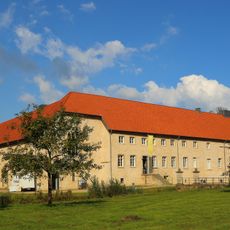
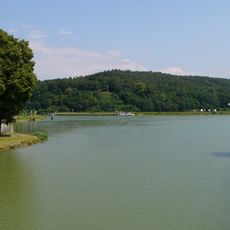
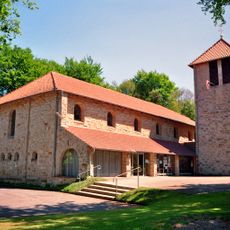
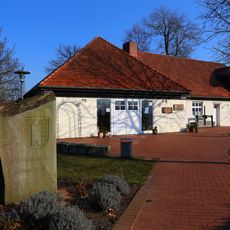
The name Heiliges Meer means "Holy Lake" and refers to the Great Heiliges Meer, the largest lake in the reserve. The LWL Museum of Natural History runs the Bildungs- und Forschungszentrum Heiliges Meer on the L 504 between the two main lakes, offering courses for people interested in natural history; staff there have operated a weather station since 1975. Sheep and free-roaming horses graze the heath to hold back scrub, keeping open about a quarter of the reserve.
The reserve is located along the L 504 road between Ibbenbüren and Hopsten and can be reached by bus service running year-round from Ibbenbüren train station. Visitors should wear sturdy shoes as some paths pass through wet areas and can become slippery in rainy weather.
The Erdfallsee only appeared on 14 April 1913, when the ground over a nearly circular area of just over 100 metres across dropped by more than ten metres. It is now about 7 hectares and 12 metres deep. The cause is a geological fault where soluble salt-bearing rock lies roughly 100 metres down; groundwater dissolves it and the overlying strata collapse.
The community of curious travelers
AroundUs brings together thousands of curated places, local tips, and hidden gems, enriched daily by 93,992 contributors worldwide.