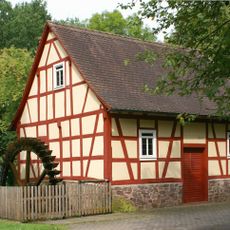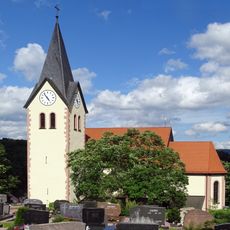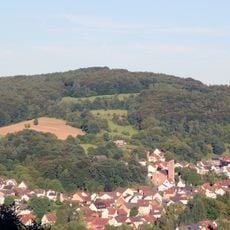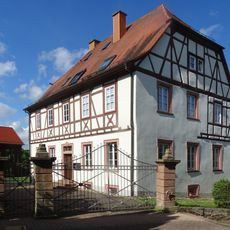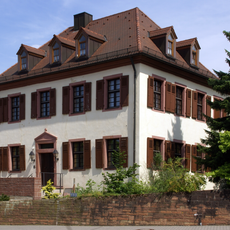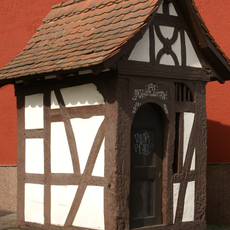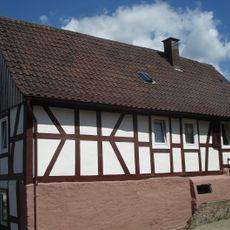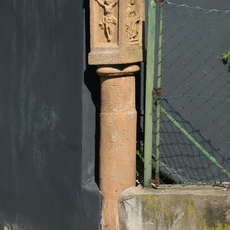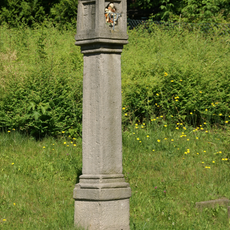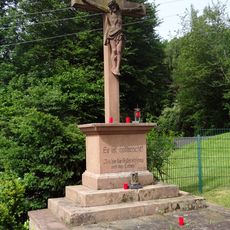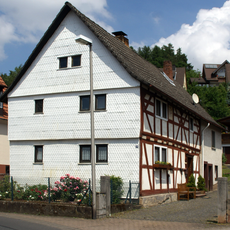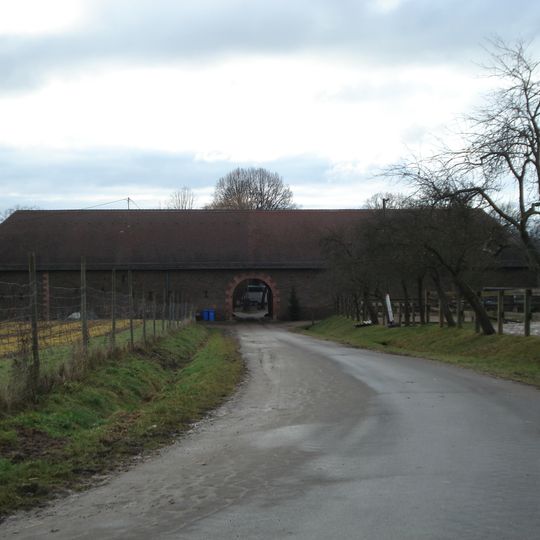
Gutshof, cultural heritage monument D-6-71-138-24 (0) in Krombach (Unterfranken), Bavaria
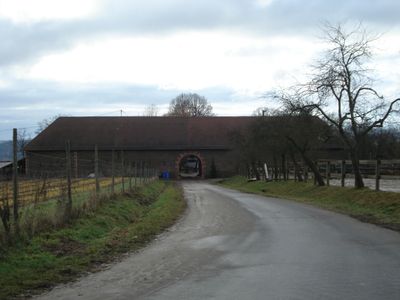
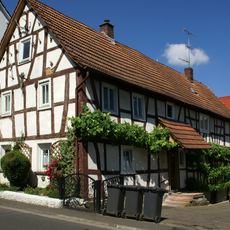
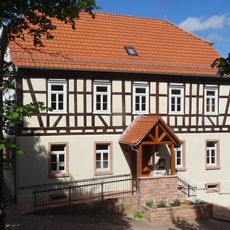
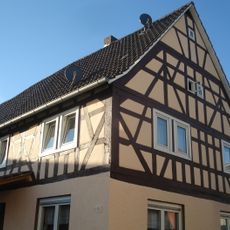
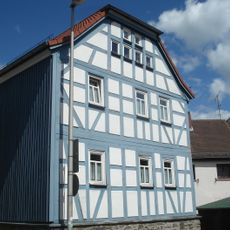
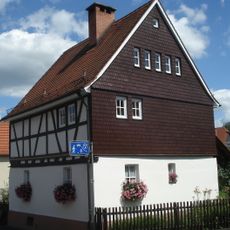
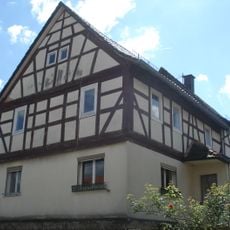
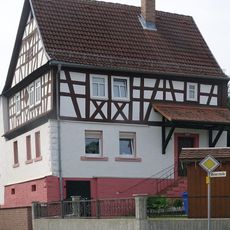
The estate in Krombach is a farming complex with roots reaching back to medieval times, consisting of residential buildings, stables, barns, and craft workshops. The structures display typical characteristics of Franconian-Bavarian architecture with stone and timber construction, positioned in their original location in the Kahl valley region.
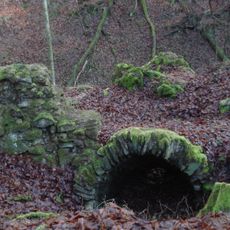
The site was originally home to a castle built in 1375 and destroyed in 1410, after which agricultural structures developed in its place. The present complex was constructed between 1841 and 1843 by Baron Waitz von Eschen, who reused stones from the castle ruins in its buildings.
The estate served for centuries as the heart of rural life in Krombach and continues to shape the village's identity today. Visitors can observe how the buildings functioned for crafts and farming, and how families worked and lived here across many generations.
The estate is accessible on foot or by bicycle from central Krombach and lies along hiking trails, particularly the Degen-Weg and the Alten Heuweg. The grounds are open to visitors and offer resting areas and dining options nearby.
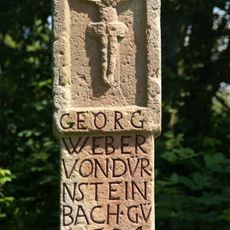
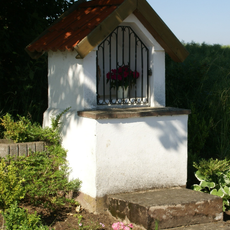
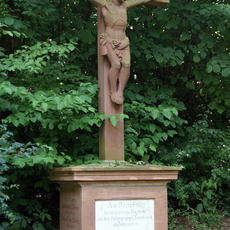
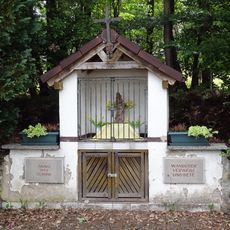
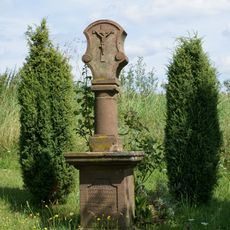
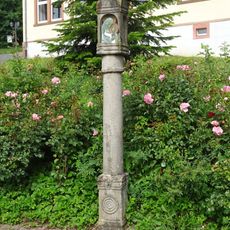
Excavations in 2017 revealed that the castle site was more a hub for craftspeople than a noble residence, uncovering its economic importance for regional trade routes. A wayside shrine from 1797 near the complex preserves a local tale of a blacksmith who encountered a three-legged hare.
The community of curious travelers
AroundUs brings together thousands of curated places, local tips, and hidden gems, enriched daily by 92,743 contributors worldwide.