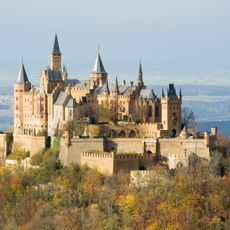
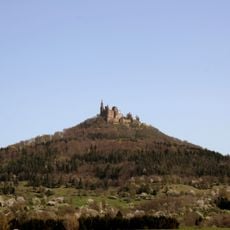
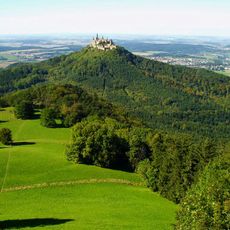
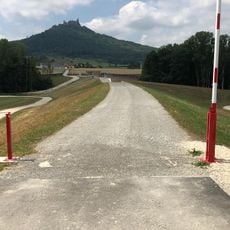
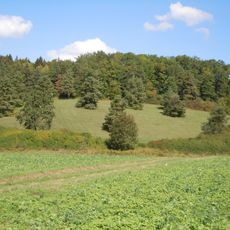
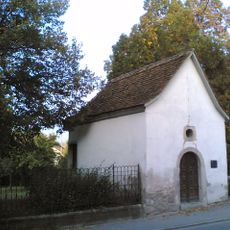
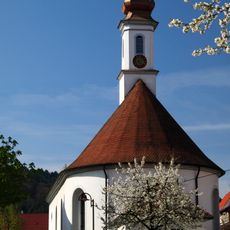
Hohenzollerngraben, Geological trench in Zollernalb, Germany
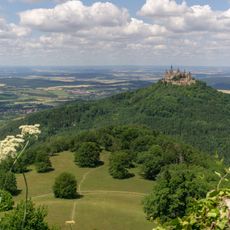
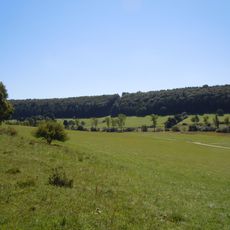
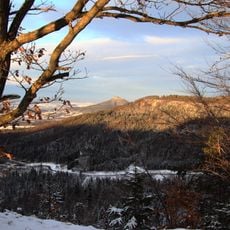
The Hohenzollerngraben is a geological depression that cuts through the southwestern Swabian Alb, marked by steep slopes on both sides. This elongated valley runs across the landscape with noticeable elevation differences between the trench floor and the surrounding plateaus.
The depression formed around 15 million years ago due to tectonic movements during the Alpine orogeny, causing shifts in the Earth's crust. These processes shaped the landscape that exists in this region today.
Scientists and researchers regularly conduct geological studies in the area to understand the complex relationship between local seismic activity and underground structures.
The site is accessible via marked walking trails throughout the Zollernalb district, allowing visitors to explore the landscape at their own pace. Information panels along the routes explain the geological features of this depression.
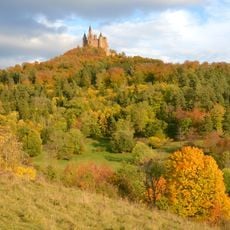
A distinctive feature of this formation is relief reversal, where the depression floor at Zollerberg rises higher than its edges. This unusual phenomenon creates elevation differences of about 350 meters, making it a rare geological example.
The community of curious travelers
AroundUs brings together thousands of curated places, local tips, and hidden gems, enriched daily by 90,838 contributors worldwide.