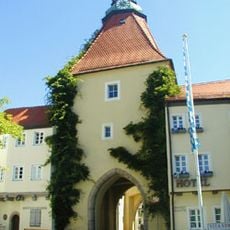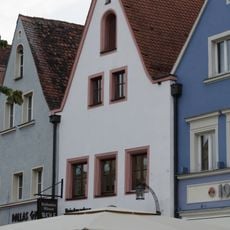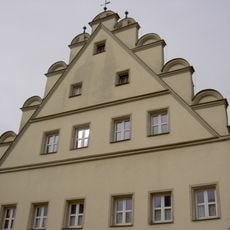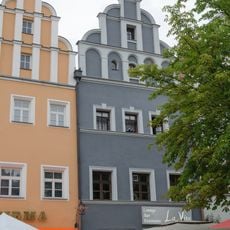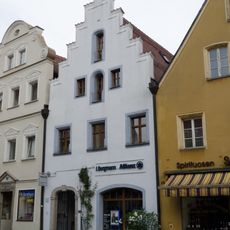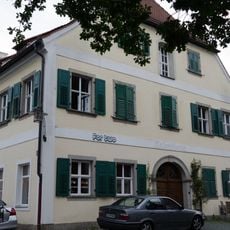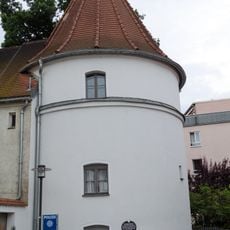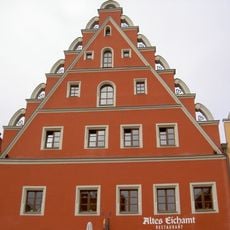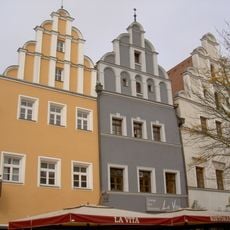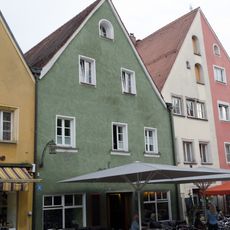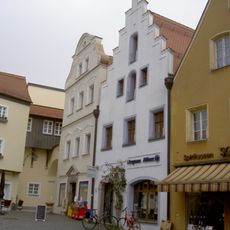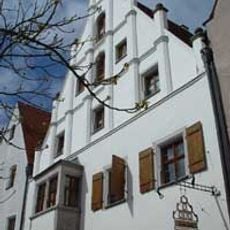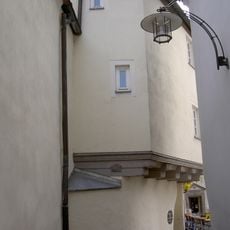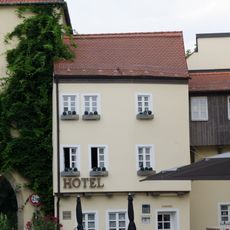
Internationales Keramikmuseum, Ceramic museum in Weiden in der Oberpfalz, Germany.
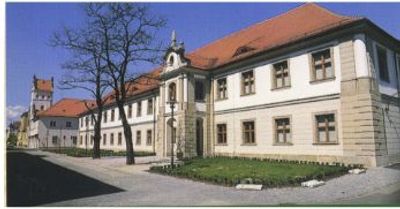
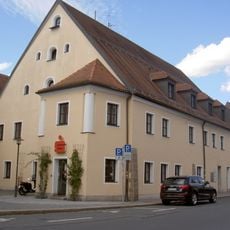
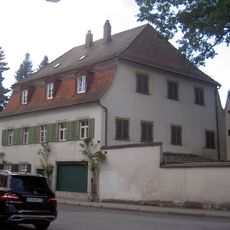
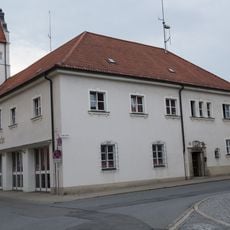
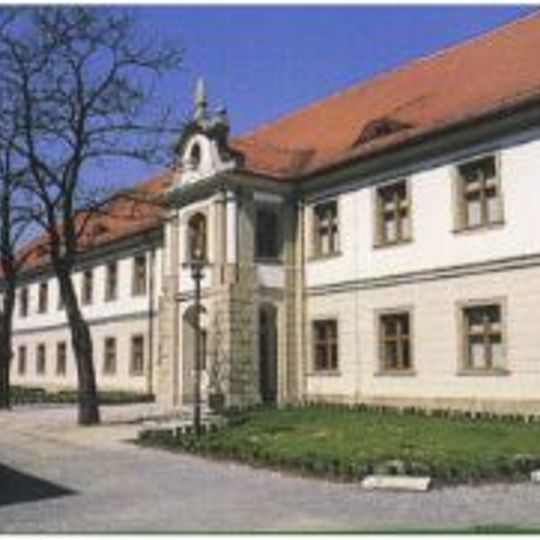
The Internationales Keramikmuseum occupies the Waldsassener Kasten, a grain store built in the mid-18th century by Baroque architect Philipp Muttone for Waldsassen Abbey. Its roughly 1,000 m² of exhibition space holds German and European porcelain and ceramics from the Rococo period to the 20th century, alongside pieces from Egypt, Asia and other regions, shown in a permanent display reworked in 2025.
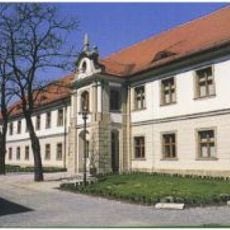
Founded in 1990 as a branch museum of the Neue Sammlung in Munich, the museum is housed in the Waldsassener Kasten, a grain store built in the mid-18th century by Baroque architect Philipp Muttone for Waldsassen Abbey. Its core holdings come from the porcelain collection of Dr. Wilhelm Seltmann, donated by his widow, and in 2025 the permanent exhibition was completely reinstalled.
The core of the collection is the Chinese porcelain donated by Dr. Wilhelm Seltmann, a Weiden entrepreneur, in 1994, with pieces from the Qing Dynasty and a focus on the 19th century. Temporary exhibitions on regional themes and the current ceramics scene are curated by the Keramikmuseum Weiden and its friends' association.
The museum occupies the Waldsassener Kasten, a former monastery granary from the mid-18th century, with around 1,000 m² of exhibition space across its floors. The permanent display was completely reinstalled in 2025, so allow time to follow the chronological layout from Rococo to the 20th century. Temporary shows on regional themes and current ceramic art are curated with the museum's friends' association.
In December 2015 the German Cultural Council placed the museum on its Red List, in category 1, meaning closure was considered a threat. The building itself, the Waldsassener Kasten, was built in the mid-18th century by the Baroque architect Philipp Muttone (1699–1775) as a grain store for Waldsassen Abbey.
The community of curious travelers
AroundUs brings together thousands of curated places, local tips, and hidden gems, enriched daily by 93,816 contributors worldwide.