Kloster Breitenau, Benedictine monastery in Guxhagen, Germany
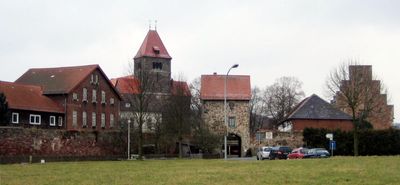
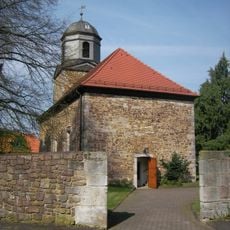
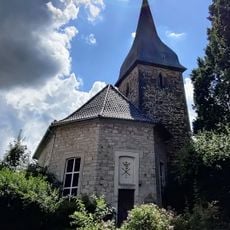
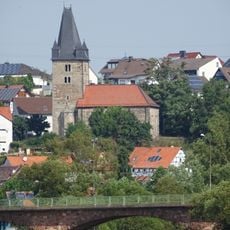
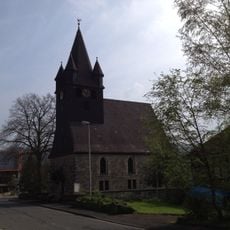
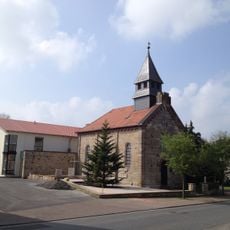
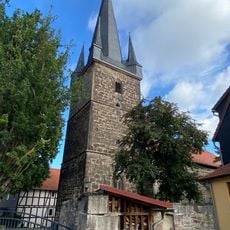
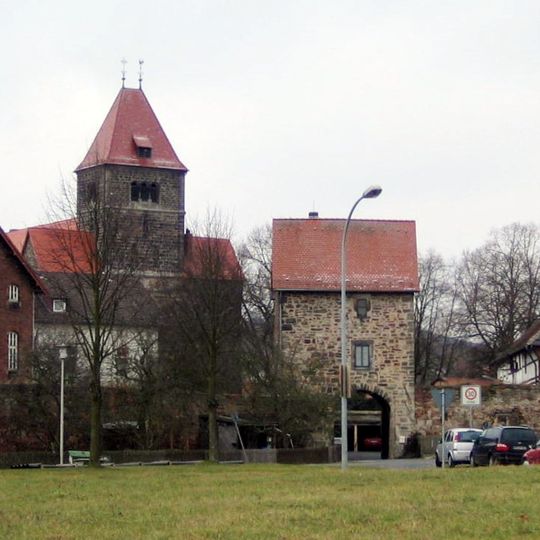
Kloster Breitenau is a Benedictine monastery in Guxhagen featuring a three-nave Romanesque basilica with five apses, surrounded by circular defensive walls and two gate towers. The compound displays the typical medieval monastic architecture, combining spiritual purpose with a fortified structure designed for both protection and authority.
Count Werner IV of Maden founded the monastery in 1113 and settled it in 1119 with thirteen Benedictine monks from Hirsau Abbey. For centuries it remained a religious center until its role shifted dramatically in the 19th century.
The monastery served as both a spiritual and working community, where religious life and practical activities intertwined throughout the centuries. The church functioned not only as a place of worship but also for everyday needs like storing grain and harvests, reflecting how deeply the monastery was connected to the surrounding region.
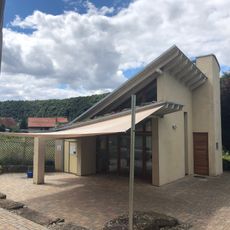
The site is open to visitors and features a memorial center documenting the building's diverse uses throughout history. The center contains exhibits and information about the periods when the compound served as a workhouse and later as a detention facility.
From 1874 to 1949, authorities operated the former monastery as a workhouse, detaining beggars and vagrants for forced labor rehabilitation. This transformation reveals how the same building shifted from serving spiritual purposes to becoming an instrument of state control and social regulation.
The community of curious travelers
AroundUs brings together thousands of curated places, local tips, and hidden gems, enriched daily by 92,643 contributors worldwide.