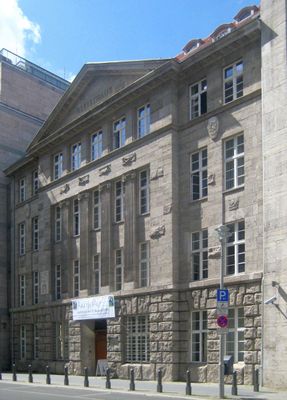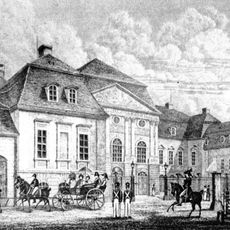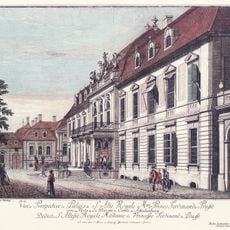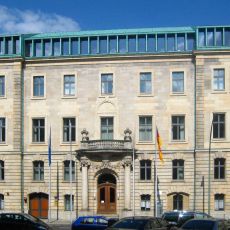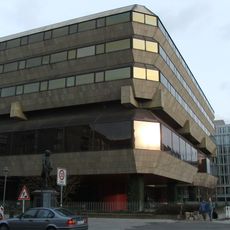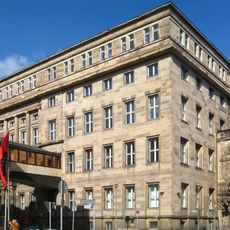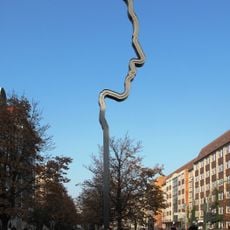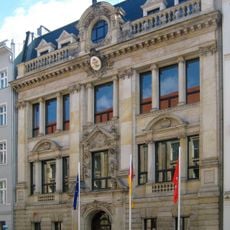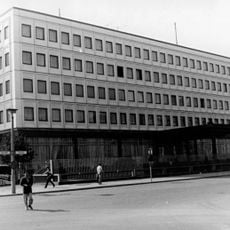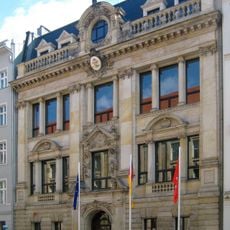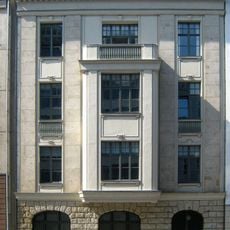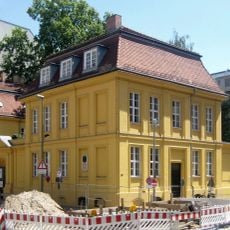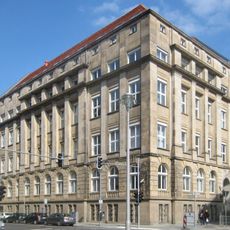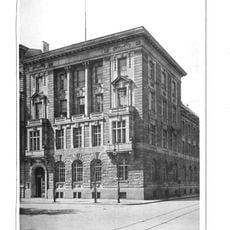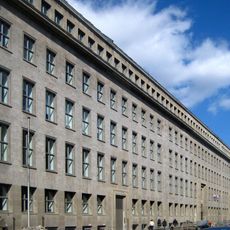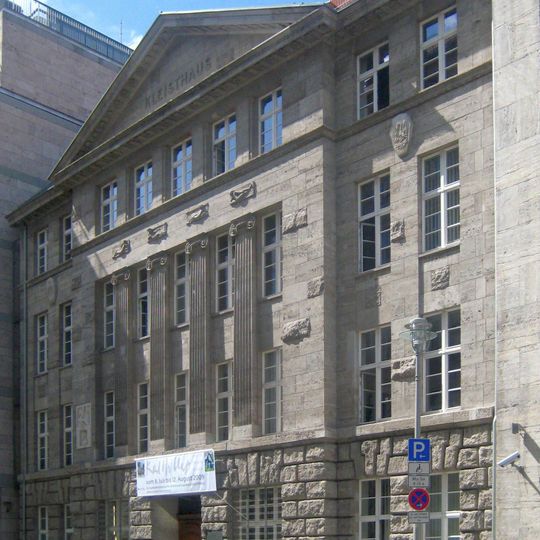
Kleisthaus, Architectural heritage monument in Berlin-Mitte, Germany.
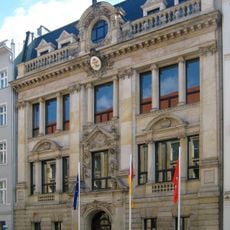
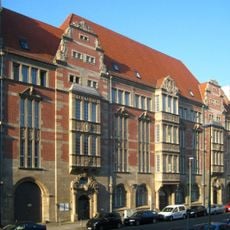
The Kleisthaus is an administrative building in Berlin-Mitte with a neoclassical facade made of shell limestone. The design is distinguished by pilasters and sculptural reliefs created by Georg Kolbe, giving the structure a crafted character.
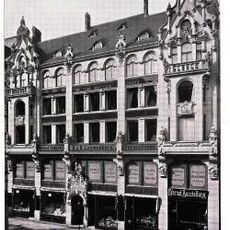
Built in 1912 by architect Bodo Ebhardt, the building originally housed a banking company. Its use changed several times during the 20th century as different government and institutional tenants occupied the space.
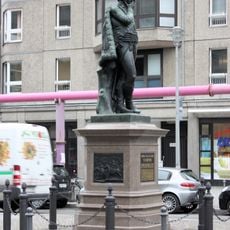
The building is named after poet Heinrich von Kleist, whose life and literary work remain significant in German culture. This naming choice connects the structure to an important figure of the Romantic period and reminds visitors of the literary history embedded in this Berlin location.
The building is located on Mauerstrasse and can be reached by U-Bahn lines U2 and U6. The neighborhood is easy to navigate on foot and offers access to other important parts of the city.
Since 2001, the building has housed the Federal Government Commissioner for Affairs of People with Disabilities and serves as a meeting place. This gives the space a contemporary social role and shows how historic buildings adapt to modern institutional needs.
The community of curious travelers
AroundUs brings together thousands of curated places, local tips, and hidden gems, enriched daily by 90,871 contributors worldwide.