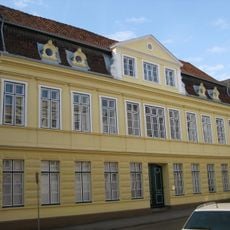
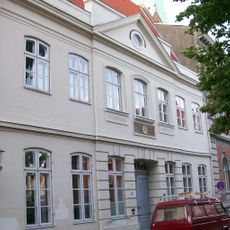
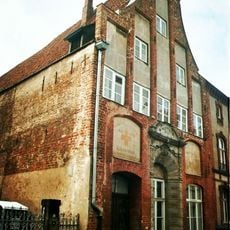
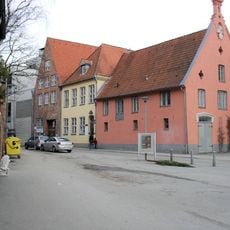
Lübecker Waisenhaus, Historical orphanage in Lübeck, Germany
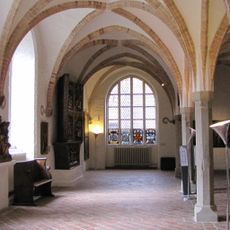
The Lübecker Waisenhaus was a charitable institution built in neoclassical style with columned halls, classrooms, dining areas, and recreation spaces for children in need. The facility organized all essential functions - education, meals, and leisure - within its structured buildings.
The institution started in 1546 as a response to severe famine affecting the city. It relocated several times over the centuries before finding a permanent location on Fackenburger Allee, where it operated until 1929.
Children here were identified by their distinctive clothing that marked their place in the institution's community. This visual aspect shaped how residents were perceived and how they understood their daily roles and identity.
The site is now documented in Lübeck's city archives, which hold detailed records about the institution's operations and daily life over the centuries. Visitors interested in the history can access these materials or seek information from local heritage resources.
The institution provided specialized training for girls, teaching practical skills such as sewing to prepare them for adult life. Each child received a complete dowry upon leaving to help them start independently.
The community of curious travelers
AroundUs brings together thousands of curated places, local tips, and hidden gems, enriched daily by 91,655 contributors worldwide.