Pfahl, National geotope in Bavaria, Germany
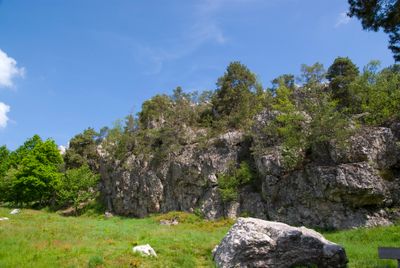
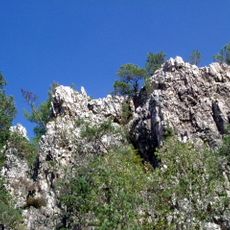
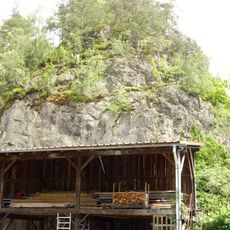
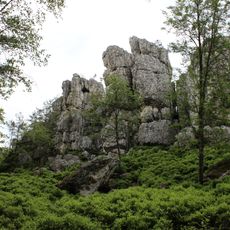
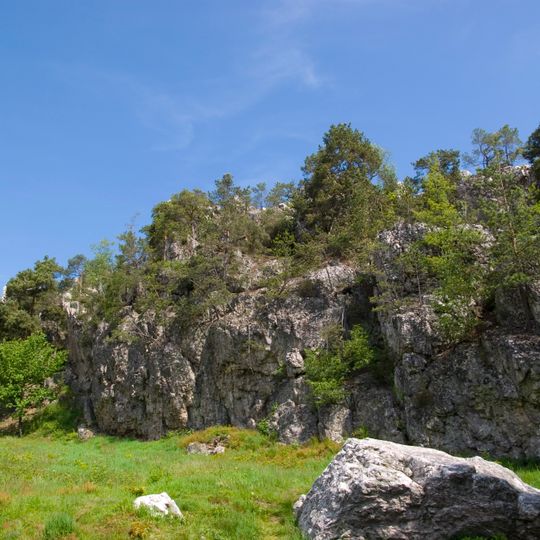
The Pfahl is a natural quartz vein running approximately 150 kilometers through the Bavarian Forest in the northeast, with sections rising up to 30 meters high. This white rock wall cuts through the forested region and creates a distinctive feature in the landscape.
This rock formation developed about 275 million years ago when mineral-rich liquids seeped into cracks in the earth's crust and created crystalline deposits. This process occurred during the Variscan mountain-building event that shaped the geology of Europe.
Local people have long called this rock formation the Devil's Wall because of how it stands out unusually in the landscape. When you walk through the area, you can understand why this name stuck by seeing the white ridge cutting through the forest.
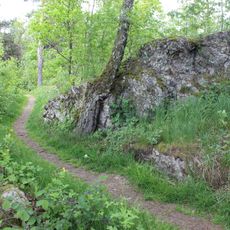
It is best explored during dry weather since the rock surface can become slippery when wet. The most comfortable season for a visit is from May to September, when the walking paths are easy to navigate and views of the surroundings are clear.
The rock mass contains up to 98 percent silica and displays color variations from white to yellow, red, and grey due to iron compounds. The quartz from this site was mined until 1993 and later used in the production of silicon alloys.
The community of curious travelers
AroundUs brings together thousands of curated places, local tips, and hidden gems, enriched daily by 92,310 contributors worldwide.