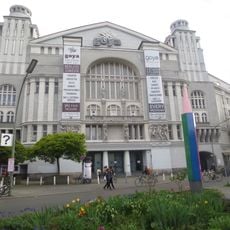
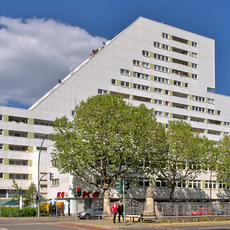
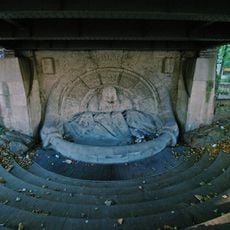
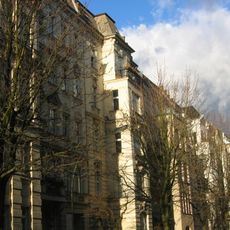
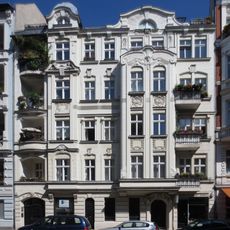
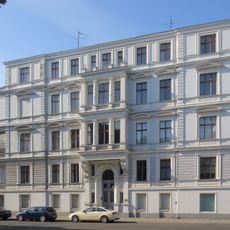
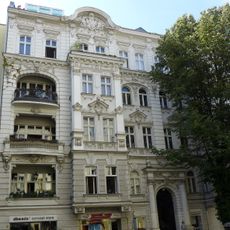
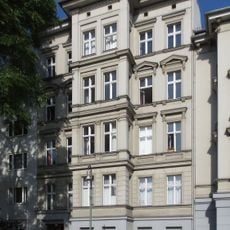
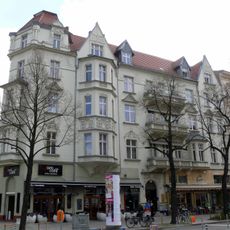
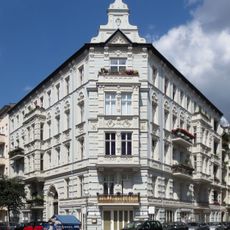
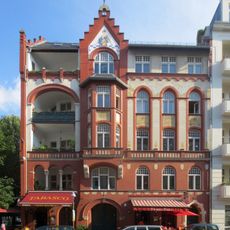
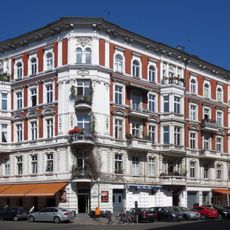
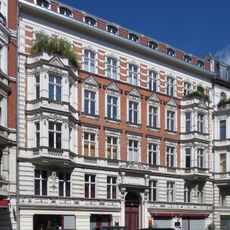
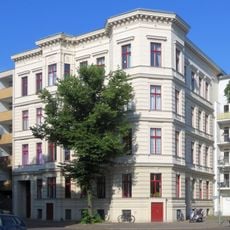
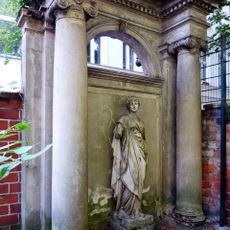
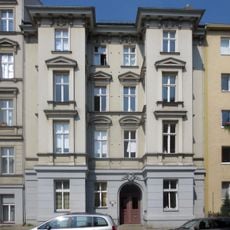
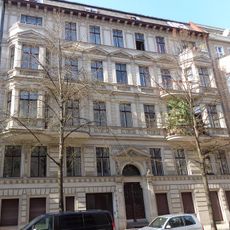
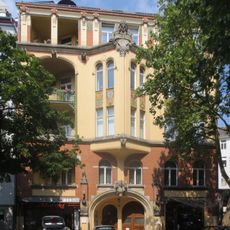
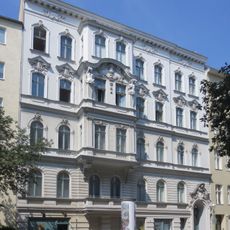
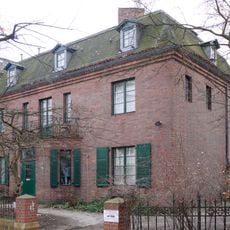
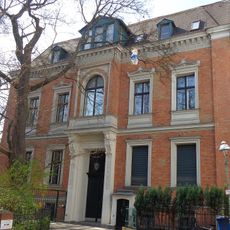
Piscator stage, Experimental theater in Nollendorfplatz, Berlin, Germany
The Piscator Stage was an experimental theatre in Berlin that operated from several venues across the city during the late 1920s. Productions combined live performance with film projection, mechanical stage elements, and documentary material to address political subjects.
Erwin Piscator founded the theatre in Berlin in 1927 and ran it until 1931, when political pressure forced him into exile. The project was closely tied to the turbulence of the Weimar Republic, and its end came as the political climate shifted sharply to the right.
The venue presented productions focused on social criticism and current political questions that provoked thought among its audience members. These performances attracted people who cared about society and wanted to engage with challenging ideas.
Since the stage had no permanent home, it is worth researching which Berlin venues today connect to this legacy before planning a visit. The Nollendorfplatz theatre in the Schöneberg district is one of the historic locations associated with Piscator's work.
Piscator collaborated with the playwright Bertolt Brecht, and the two influenced each other in developing a form of theatre that aimed to make audiences think rather than simply feel. This approach, later known as epic theatre, changed how many writers and directors conceived their work for the stage.
The community of curious travelers
AroundUs brings together thousands of curated places, local tips, and hidden gems, enriched daily by 60,000 contributors worldwide.