Dolmen Düwelsteene, Neolithic passage grave in Heiden, Germany.
Dolmen Düwelsteene is a Neolithic burial chamber made of massive stone blocks, with an internal passage measuring about 11.5 meters long and 1.7 meters wide. The structure stands within a pine forest setting and displays the characteristic building style of these prehistoric burial sites.
Built between 3470 and 2760 BCE by Funnel Beaker culture farmers and herders, this passage grave is the southwesternmost surviving megalithic tomb of that culture. It was examined by Jodocus Hermann Nünning in the early 18th century, later plundered for building material, and excavated and restored in 1932 by the Ramsdorf and Borken heritage associations.
The name Düwelsteene comes from a legend about a cobbler's apprentice from Heiden who met the devil carrying a sack of stones toward Aachen. The boy showed him twelve pairs of worn-out shoes and claimed he had just walked from Aachen, so the discouraged devil dropped the stones here. Visitors still try counting the stones twice, as the devil is said to move one in between.
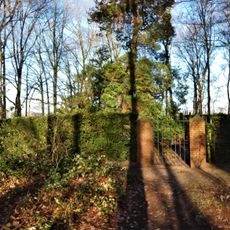
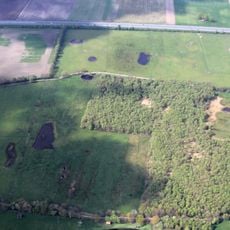
The burial site sits within a pine forest landscape and is accessible via marked trails, with information signs explaining the construction details. Wear sturdy footwear since the ground is uneven and paths run through natural terrain.
The stones, some weighing up to 7 tons, were carried by glaciers from Scandinavia to this location during the Saale glacial period. This geological journey across thousands of kilometers shows how natural forces shaped the landscape before people used these stones for their structures.
The community of curious travelers
AroundUs brings together thousands of curated places, local tips, and hidden gems, enriched daily by 94,091 contributors worldwide.