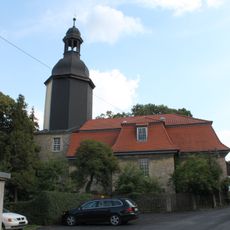
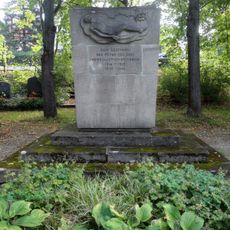
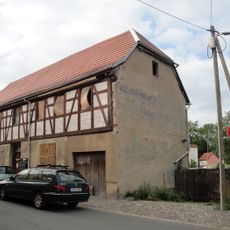
Trießnitz, Rural settlement in Thuringia, Germany.
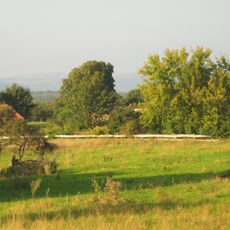
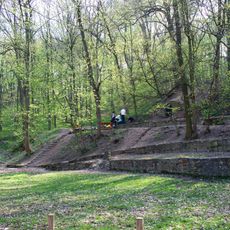
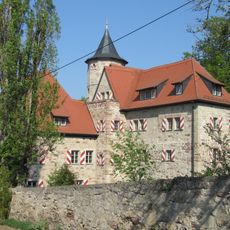
Trießnitz is a rural settlement near Jena in Thuringia, located close to the southern edge of the Jena-Winzerla district. The area features natural springs and wooded zones within the surrounding landscape.
The name Trießnitz originates from the Sorbian language, meaning wet deciduous forest, indicating early Slavic settlement in the region. This linguistic heritage reflects the long-standing presence of Slavic peoples in the area.
The name comes from the Sorbian drěžnica, meaning wet deciduous forest. On Sundays students held balls at the Trießnitz, dancing with the "Flor" (professors' daughters), the "Halbflor" (daughters of lesser officials) and sometimes the "Besen" (maids). The meadow called Sängerplatz, prepared in 1931, hosted gatherings run by the men's choir or the volunteer fire brigade. Belief in the power of Easter water from the Trießnitz springs survives in local custom.
The settlement is best explored on foot, as pathways connect through the rural area. Visitors should expect a quiet countryside setting and take time to notice the natural landscape and the few buildings that remain.
On 12 October 1806, two days before the Battle of Jena and Auerstedt, French troops advancing from the south skirmished with a Prussian outpost at the Trießnitz. The area was also a favoured Paukplatz, a ground where Jena students fought duels with thrusting sabres or the more dangerous Parisiens.
The community of curious travelers
AroundUs brings together thousands of curated places, local tips, and hidden gems, enriched daily by 93,361 contributors worldwide.