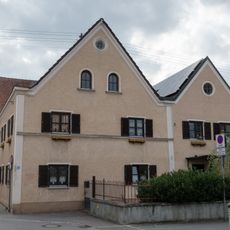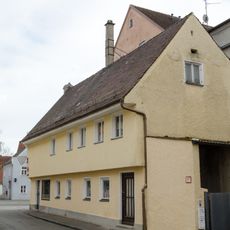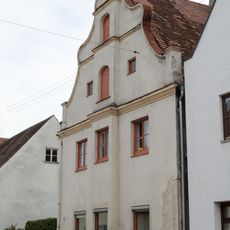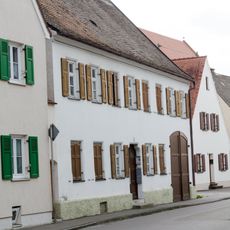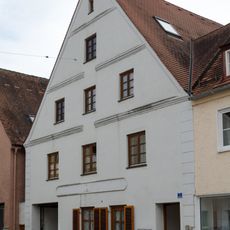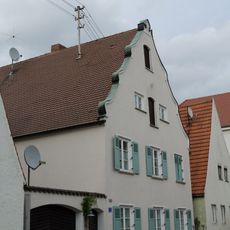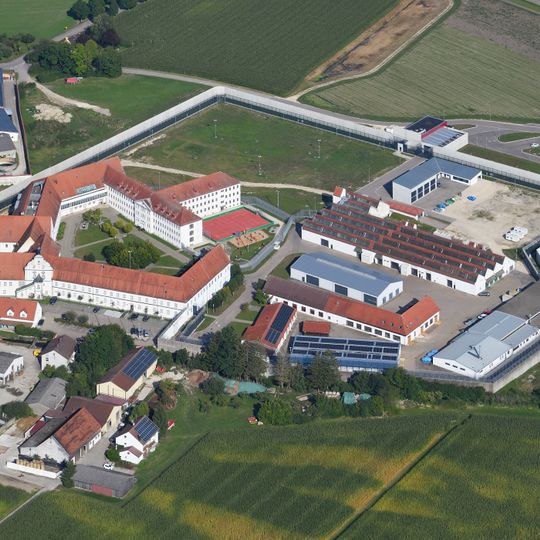
Kloster Niederschönenfeld, Cistercian monastery in Niederschönenfeld, Germany.
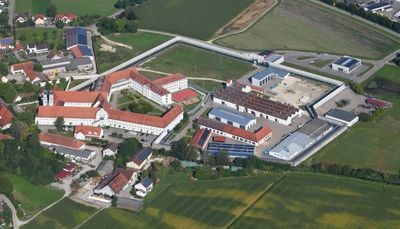
Kloster Niederschönenfeld is a Cistercian monastery in Bavaria featuring simple stone buildings with vaulted ceilings and open courtyards. The complex shows typical Cistercian design with functional spaces that connect the church, living quarters, and work areas.
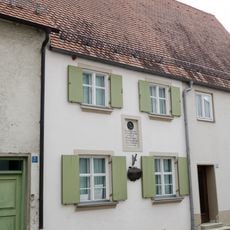
Count Berchthold III of Lechsgemünd-Graisbach founded the monastery, confirmed by Bishop Siboto of Augsburg on 9 January 1241; Beguines from Burgheim adopted the Cistercian rule. Pope Innocent IV took it under papal protection in 1254, and by the late 14th century it ranked as Bavaria's fourth-richest monastery. Dissolved in the secularisation of 18 March 1803, it has housed a prison since 1849.
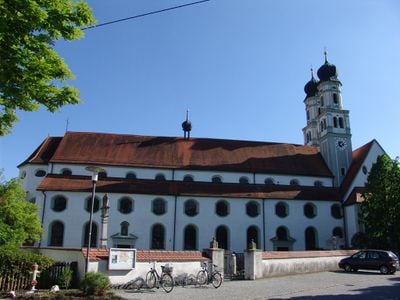
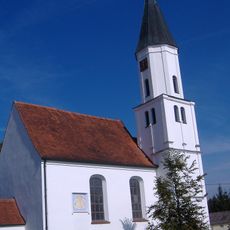
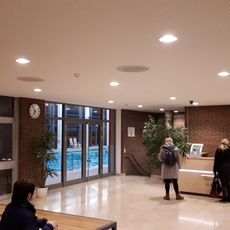
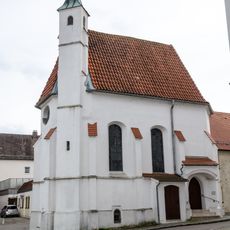
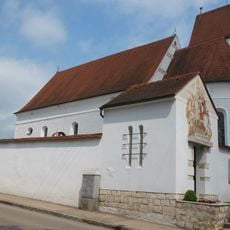
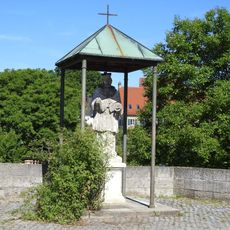
The monastery was dissolved in 1803 during secularisation under Maximilian von Montgelas; since 1849 the buildings have housed a prison, today for young adults up to 26. The former abbey church of Mariä Himmelfahrt serves as the village parish church, while the pilgrimage church Heilig-Kreuz belongs to the prison complex and opens only on the two Kreuzfest feasts. A founder's memorial column stands in the cemetery.
The former monastery church of Mariä Himmelfahrt now serves the village as its parish church. The Heilig-Kreuz pilgrimage church belongs to the prison complex and opens to the public only on the two Kreuzfest feasts. The remaining convent buildings house a correctional facility for young adults up to 26, so they cannot be visited.
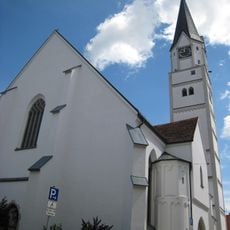
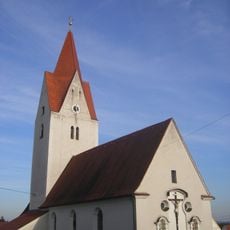
The Heilig-Kreuz pilgrimage church belongs to the prison complex and opens to the public only on the two Kreuzfest feast days. Legend holds that a cross hidden by Sister Eva in the monastery kitchen survived the 1646 destruction, and that her oil lamp kept burning; the cross's rediscovery drew pilgrims, and about 2,000 unexplained healings were recorded.
The community of curious travelers
AroundUs brings together thousands of curated places, local tips, and hidden gems, enriched daily by 93,759 contributors worldwide.