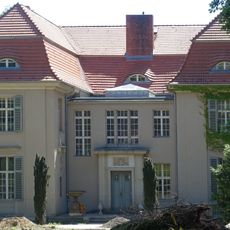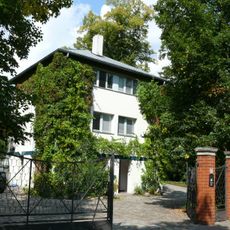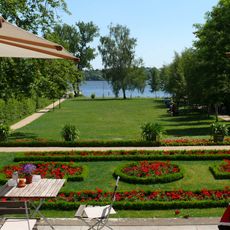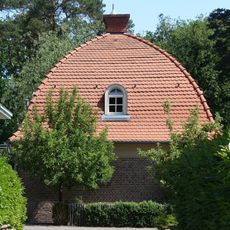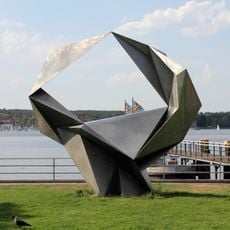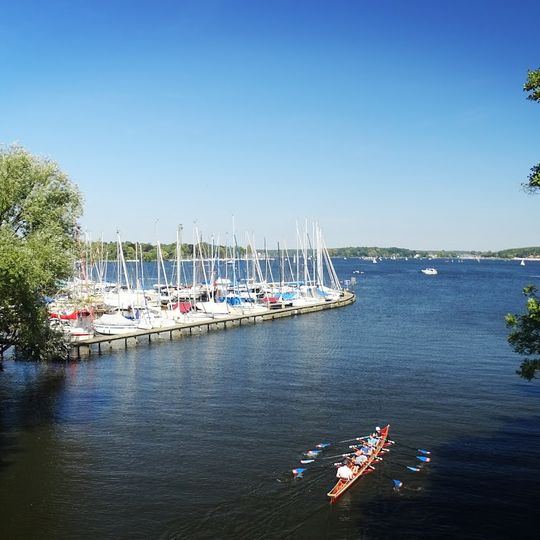
Großer Wannsee, Bay of the Havel in Steglitz-Zehlendorf, Berlin, Germany
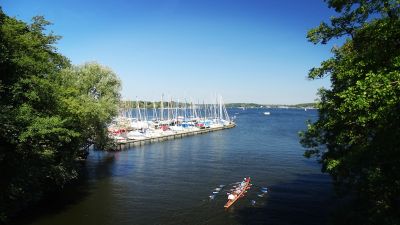
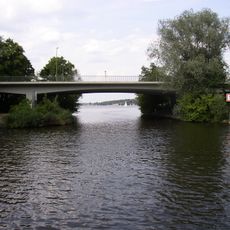
Großer Wannsee is a bay of the Havel in Berlin's Steglitz-Zehlendorf district, 2.53 km long and part of the 12 km Kladower Seestrecke. It is a federal waterway of class IV, bounded by an imaginary line from the Schwanenwerder bridge to the Große Tiefehorn. The island of Schwanenwerder lies to the north, the Pfaueninsel about a kilometre west, and the Strandbad Wannsee on the northern stretch of the east shore.
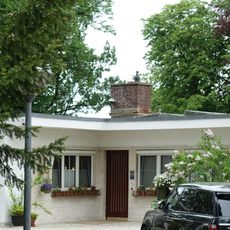
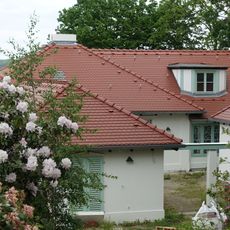
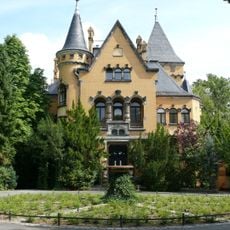
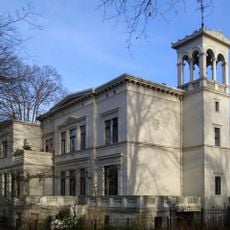
The lake was first recorded as Wansa in 1382 and as Wanse in 1591; the name is Slavic and means 'snake lake'. Around 1900 it became an excursion destination and a fashionable address, and the villa colonies Alsen and Wannsee were laid out. The Wannseebahn railway of 1874, today the S1 line, brought bathers; the Strandbad Wannsee opened in 1907. Since 1920 the lake has lain within Greater Berlin.
The name Wannsee comes from the Slavic word for "snake lake", recorded as Wansa in 1382 and Wanse in 1591. The lake gave its name to the surrounding villa colonies of Wannsee and Alsen, laid out around 1900, and to the street Am Großen Wannsee. Cornelia Froboess sang about it in 1951.
Public beaches and designated swimming areas welcome visitors, while sailing clubs and boat houses support water sports throughout the year. Nearby S-Bahn train stations offer direct connections from central Berlin, making the journey straightforward and quick.
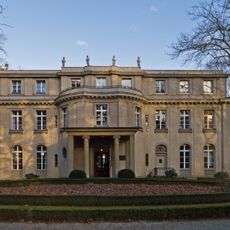
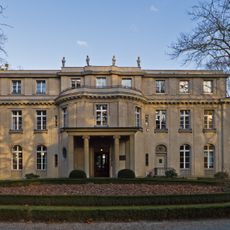
The name Wannsee comes from a Slavic word meaning "snake lake", recorded as Wansa in 1382 and Wanse in 1591. On the west shore, Villa Marlier hosted the Wannsee Conference on 20 January 1942; it is now a memorial and exhibition site.
The community of curious travelers
AroundUs brings together thousands of curated places, local tips, and hidden gems, enriched daily by 93,334 contributors worldwide.