Antoniter-Museum, museum in Germany
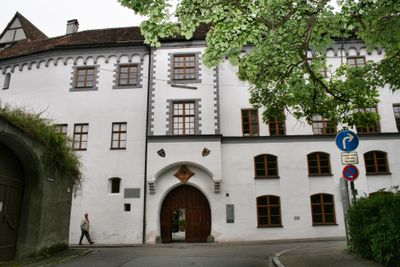
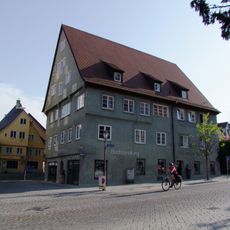
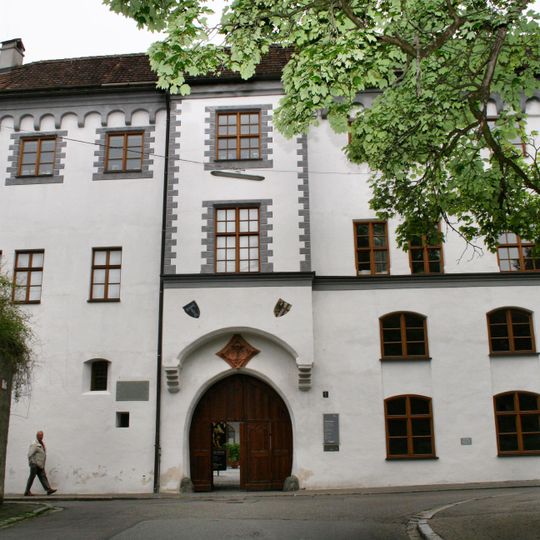
The Antoniter-Museum, founded in 1996, occupies the Antonierhaus in Memmingen, a building that once belonged to the Antonite Order. Its exhibits cover the order's history, the Memmingen branch, medieval piety, and the treatment of diseases such as ergotism, with finds from excavations showing the daily life of the sick and the clergy.
The Antoniter order was founded in 1247 to care for people suffering from ergot poisoning, a disease caused by contaminated grain. Memmingen became one of the first German settlements of the order and remained a major center until the Reformation halted its work in the 1500s.
The museum reflects how the Antoniter order became woven into Memmingen's community, caring for those afflicted with a devastating disease through faith and dedication. The veneration of Saint Antonius shaped local beliefs about illness and healing in ways that touched everyday life.
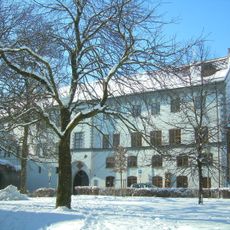
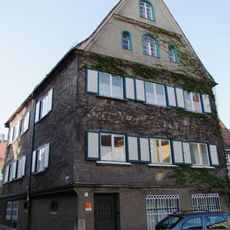
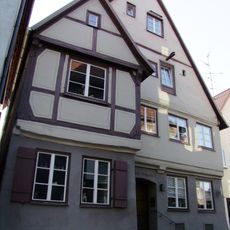
The museum occupies the Antonierhaus, the former Memmingen house of the Antonite order, and shares the building with the Strigel-Museum. Exhibits on the order's history, diseases such as ergot poisoning, healing methods and finds from the excavations are shown in the historic rooms. Allow time for both museums in the same house.
The museum tells the story of a rare medieval disease called ergot poisoning caused by contaminated grain that led to severe burning pain, prompting people to travel long distances seeking healing. The Antoniter order developed specialized herbal treatments and an entire system of care specifically designed to combat this condition, a response that is rarely documented elsewhere.
The community of curious travelers
AroundUs brings together thousands of curated places, local tips, and hidden gems, enriched daily by 92,643 contributors worldwide.