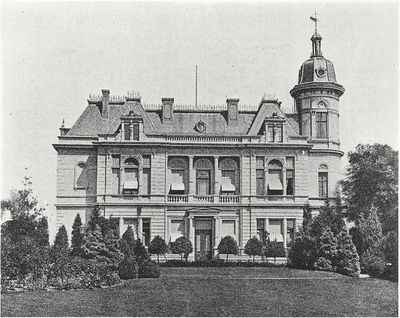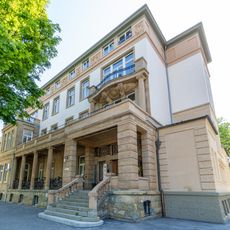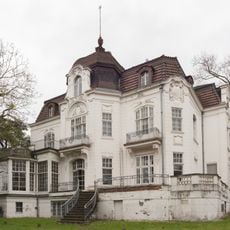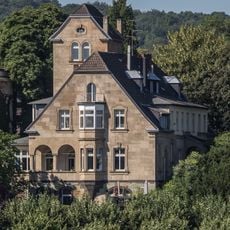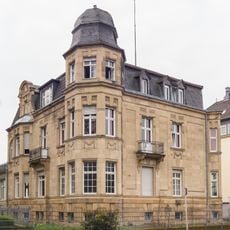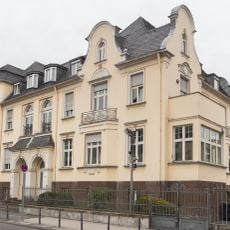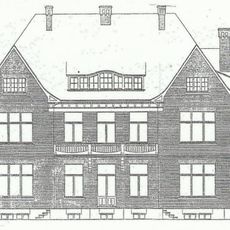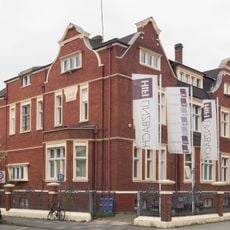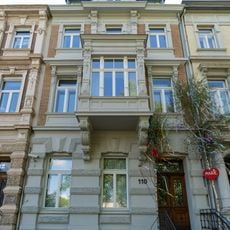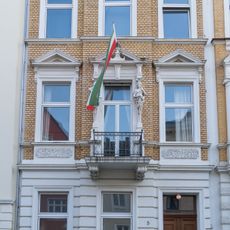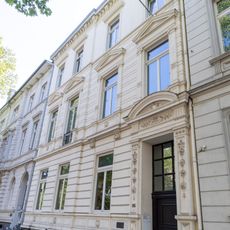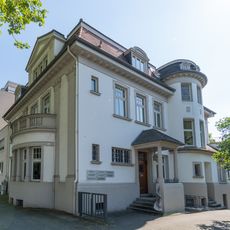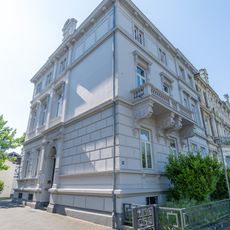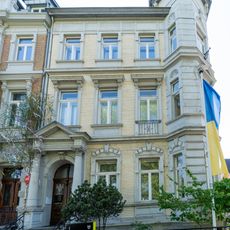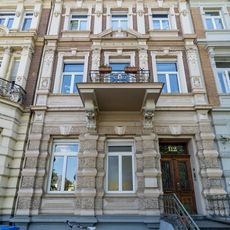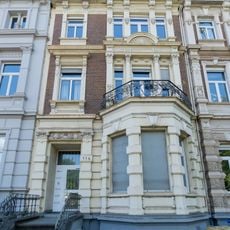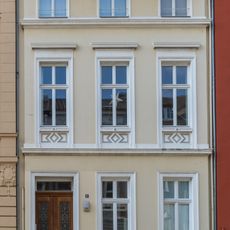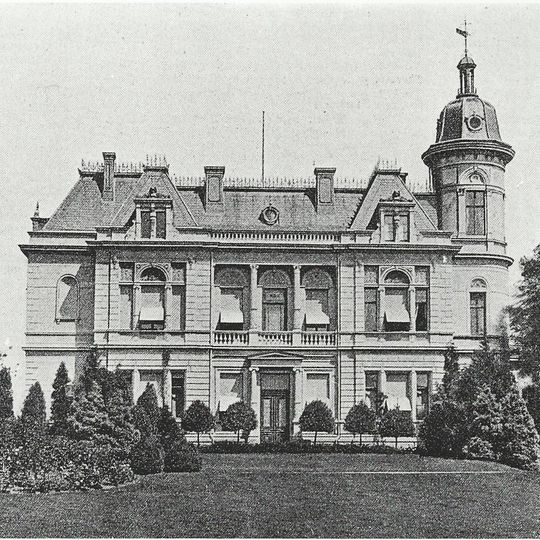
Kronprinzenvilla, Renaissance Revival villa in Bonn, Germany.
The Kronprinzenvilla was a mansion built in French Renaissance style that stood elevated above the Rhine riverbank in Bonn. The building featured rich ornamentation and a carefully designed facade that reflected European elegance of the 1800s.
Built in 1871 for Friedrich Koenig, a retired rubber-factory owner from Long Island, the villa was designed by Berlin architect Walter Kyllmann. Kaiser Wilhelm II approved its purchase for 450,000 Mark on 13 December 1900 so Crown Prince Wilhelm and his brothers could live and study in Bonn. The imperial house sold it in April 1910 to Kommerzienrat Wilhelm Girardet for 375,000 Mark. After severe World War II damage, it was demolished in 1952/53 for the new Foreign Office.
From 1900 to 1910 the villa belonged to the Hohenzollern imperial house, which bought it for 450,000 marks so Crown Prince Wilhelm and his younger brothers could live and be taught there during their studies in Bonn. Lectures for the crown prince were held inside the house, and Kaiser Wilhelm II and Empress Auguste had rooms furnished for themselves. The street laid out beside it in 1898 is today's Tempelstraße.
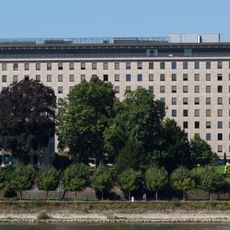
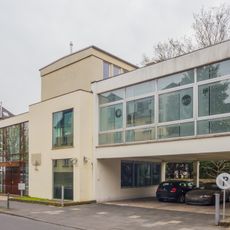
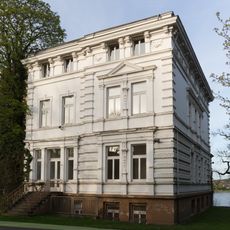
The villa stood at today's Tempelstraße, near Adenauerallee, on the grounds now occupied by the Federal Foreign Office; its former position is marked by the ministry's gatehouse. The site lies at the northern edge of Bonn's former parliamentary and government quarter, so it is passed on foot rather than visited as a monument.
The house was built on one of the last available plots on Bonn's elevated riverbank, which gave it a commanding position in the city's landscape. This rare location made it a favored spot for a grand building of the imperial era.
The community of curious travelers
AroundUs brings together thousands of curated places, local tips, and hidden gems, enriched daily by 93,763 contributors worldwide.