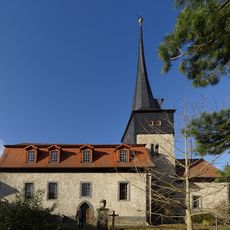
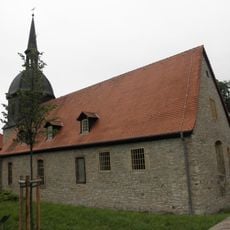
Wielandgut Oßmannstedt, Country estate in Oßmannstedt near Weimar, Germany
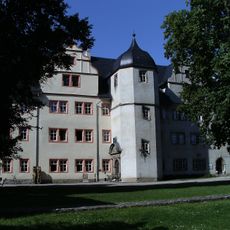
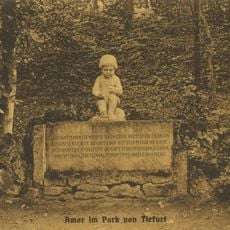
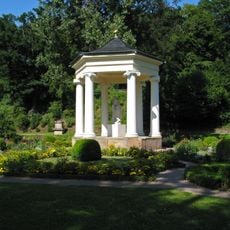
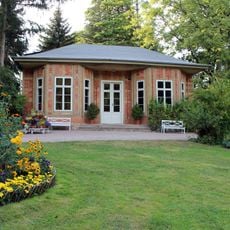
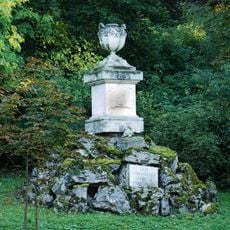
Wielandgut Oßmannstedt is a country estate near Weimar whose single-storey manor house and English park were built between 1757 and 1762 for Reichsgraf Heinrich von Bünau. Christoph Martin Wieland bought it in 1797 and lived here with his family until 1803, calling it Osmantinum after the estates of Horace and Cicero. The park along the Ilm holds Wieland's grave, marked by a three-sided obelisk with a distich he wrote himself.
The building was originally constructed in 1762 for a nobleman, later becoming the residence of a renowned author. This change of ownership connected the estate to German literary history.
The rooms display how a wealthy writer of the 18th century lived, with original furniture, books, and personal belongings from that era. The way the house is arranged gives a sense of his daily life and intellectual interests.
The park is freely accessible year-round without any entry fee, making it ideal for a casual walk. The main building has set hours and requires admission, so check ahead if you want to visit the interior.
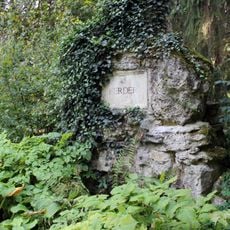
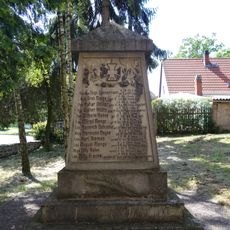
Wieland's grave in the estate park by the Ilm holds the poet, his wife Anna Dorothea and Sophie Brentano, who died of typhus in 1800 during a second visit and was buried here at her own wish. The plain three-sided obelisk carries a distichon Wieland wrote for it: "Liebe und Freundschaft umschlang die verwandten Seelen im Leben und ihr Sterbliches deckt dieser gemeinsame Stein."
The community of curious travelers
AroundUs brings together thousands of curated places, local tips, and hidden gems, enriched daily by 93,646 contributors worldwide.