Akazienpark, Park in Darmstadt-West, Darmstadt, Germany
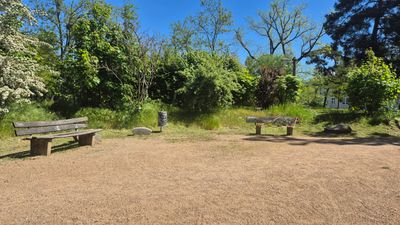
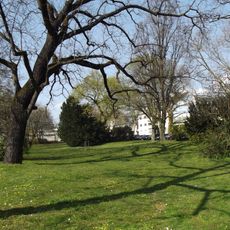
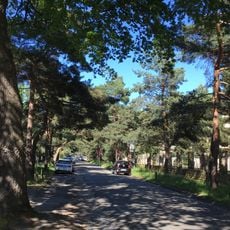
Akazienpark is a historic park in Darmstadt-West featuring eight paths radiating from a central octagonal plaza. The grounds contain acacia trees and the Fliederberg hill, with remnants of a former teahouse and pond that once served visitors exploring this geometrically planned green space.
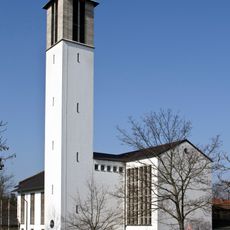
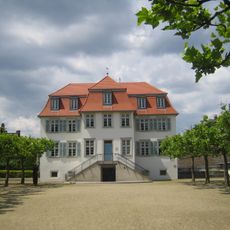
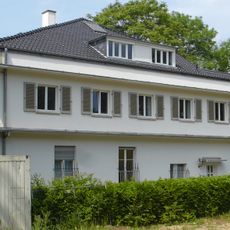
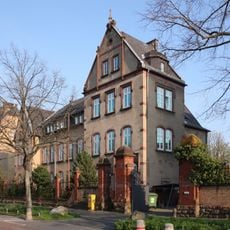
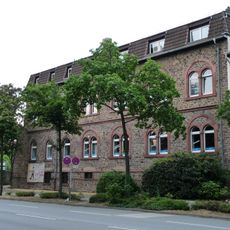
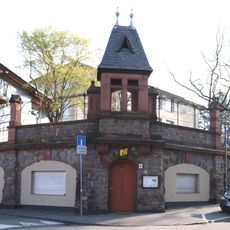
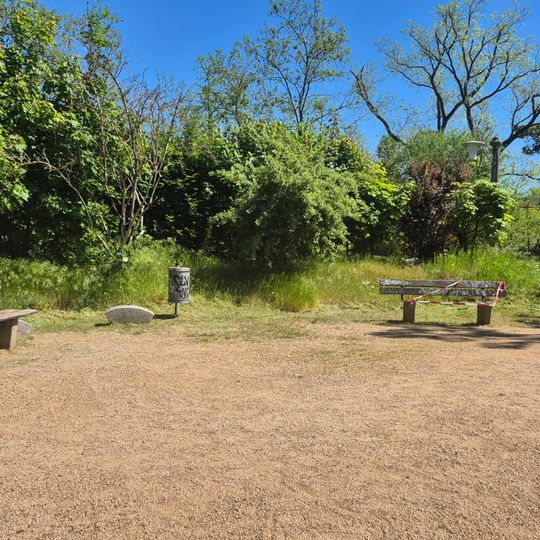
Akazienpark was laid out in 1817 on the initiative of Grand Duke Ludewig I, then far outside the city. Eight paths radiate from an octagonal central square that held a teahouse, and a basin lay at the southeast corner. Shortly before World War I the military administration bought the park and built a hospital, used until partial destruction in World War II. Since 1986 the park and its buildings are protected monuments.
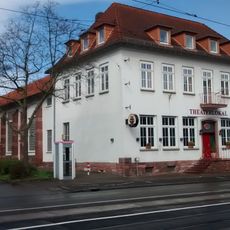
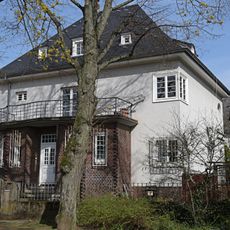
The name refers to the robinias, known as false acacias, planted because of the poor sandy soil. The hill in the southeast corner was originally called "Hungerberg" and is now called "Fliederberg". The Hessian Court of Audit (Hessischer Rechnungshof) has its seat in the Akaziengarten.
The park is open to the public and its radial path system makes navigation straightforward for visitors exploring on foot. The site is protected as a historic monument, so visitors are asked to respect the vegetation and architectural remains while walking through.
The park's southeast corner once held a water basin, and the hill there was originally called "Hungerberg" before becoming today's Fliederberg. Since 1986 the park and its building ensemble have been protected under the Hessian monument protection law, and the Hessian Court of Audit (Hessischer Rechnungshof) now sits inside the Akaziengarten.
The community of curious travelers
AroundUs brings together thousands of curated places, local tips, and hidden gems, enriched daily by 92,870 contributors worldwide.