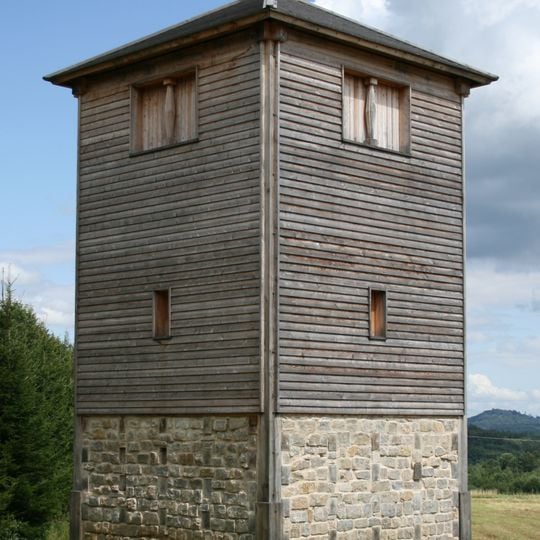
Upper German-Raetian Limes, Roman frontier archaeological site in Bavaria, Germany
The Upper German-Raetian Limes is a Roman frontier fortification that stretches 550 kilometers (340 miles) from the Rhine to the Danube across present-day Bavaria and neighboring federal states. The structure consists of earthworks, stone walls, ditches, and the foundations of numerous watchtowers that remain visible in the landscape at many locations.
The fortification began as a wooden palisade in the 1st century AD and was later partially replaced by stone walls. In the year 260, the Romans abandoned the frontier line when Germanic tribes overran the territory and soldiers withdrew behind the Rhine and Danube.
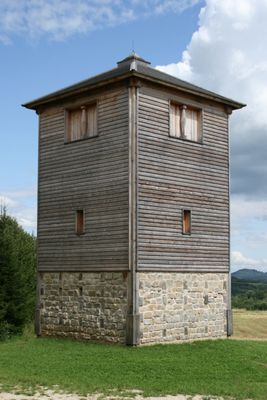
The name comes from the Roman provinces of Germania Superior and Raetia, which met along this boundary. Today visitors see reconstructed wooden towers and palisades that show how Roman soldiers guarded the line and controlled the movement of goods.
The remains are spread across wide countryside with fields, forests, and small towns, so visitors often drive or cycle between individual locations. On site, marked hiking trails lead to visible sections and information panels explain the function of each installation.
At some locations the remains of the frontier are hidden beneath modern roads and fields, while other sections run as low embankments through residential areas. The total length makes it the longest surviving Roman land frontier in Europe.
The community of curious travelers
AroundUs brings together thousands of curated places, local tips, and hidden gems, enriched daily by 90,912 contributors worldwide.