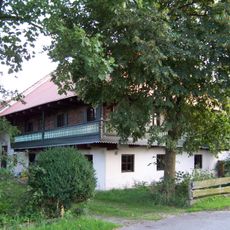
Schloss Laberweinting, archaeological site in Bavaria, Germany
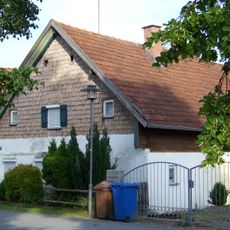
Schloss Laberweinting was once a moated castle in the municipality of Laberweinting in Lower Bavaria, surrounded by water-filled moats that made it accessible only by wooden bridge. The fortress had a fortified layout with walls, a main building with a shingled roof, and sat on a gentle hillside in the Straubing-Bogen district.
The castle was destroyed during the Thirty Years War in 1632, then rebuilt by Paul Christoph von Leiblfing and restored in 1664. It changed ownership several times thereafter, passing to Count von Montgelas in 1812 and to the Princes of Thurn and Taxis in 1834 before being demolished in 2022.
The settlement at Laberweinting has roots reaching back to the early Middle Ages, with records mentioning it around 790. Over centuries, different noble families made this place their seat, shaping the local society and patterns of life in the region.
The village of Laberweinting is located in the Straubing-Bogen district in Lower Bavaria and is easily accessible. Since the castle was demolished in 2022, visitors today can only explore archaeological remains and foundations of the former complex.
The castle was originally a moated fortress protected by water-filled ditches accessible only via wooden bridge, making it a distinctive example of defensive architecture in Lower Bavaria. This water-based protection system set it apart from other regional fortifications.
The community of curious travelers
AroundUs brings together thousands of curated places, local tips, and hidden gems, enriched daily by 60,000 contributors worldwide.