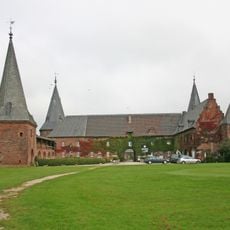
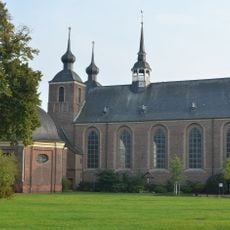
Haus Langendonk, Water castle in Aengenesch, Germany.
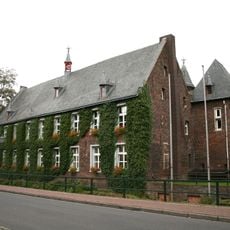
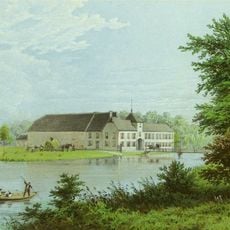
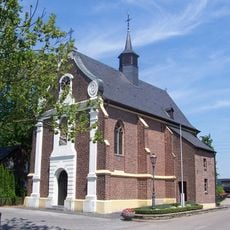
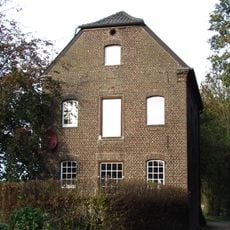
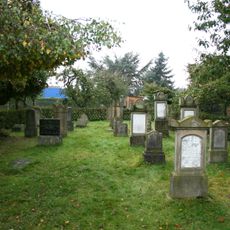
Haus Langendonk is a water castle in North Rhine-Westphalia surrounded by water moats and featuring a mix of residential and fortification elements. The property consists of multiple building sections, including towers and walls typical of castles of this kind.
Haus Langendonk was first documented on 30 April 1391, when squire Johann von Wyenhorst offered his "huys zu Langendunck" to Archbishop Friedrich III von Saarwerden of Cologne as an open house, after being allowed to fortify it. The Fleuth stream formed the border between the Duchy of Geldern and Electoral Cologne, so the core castle stood on Cologne territory while the outer bailey belonged to Geldern. Owners included Johann von Alpen from 1436 and the lords of Ossery from 1696; the last resident, pastor Anton Mömken, hid here during the Kulturkampf.
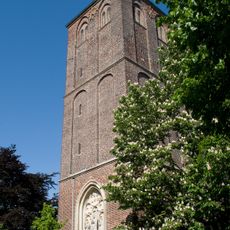
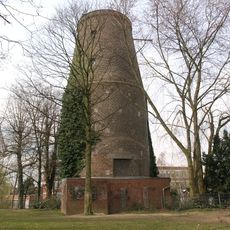
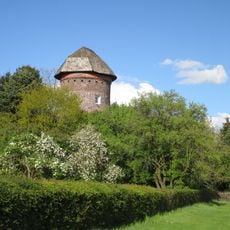
The ruin is known locally as the Mäuseturm, or Mouse Tower. The last person to live here was the priest Anton Mömken, who hid in the tower during the Kulturkampf because he held services for the people of Aengenesch without permission. The tower's ground floor, roofed with a barrel vault, was reached only through a small opening from the floor above and served as a storage room rather than a dungeon.
The site is located near Geldern and is accessible by local roads. Visitors should know that the building sits on private property and can only be viewed from the outside.
The tower ruin is known as the Mäuseturm, or Mouse Tower. The Fleuth once formed the border between the Duchy of Guelders and Electoral Cologne, so the main castle stood on Cologne territory while the outer bailey belonged to Guelders. The stream was straightened in the 1930s and now runs about 100 metres east of the tower.
The community of curious travelers
AroundUs brings together thousands of curated places, local tips, and hidden gems, enriched daily by 94,344 contributors worldwide.