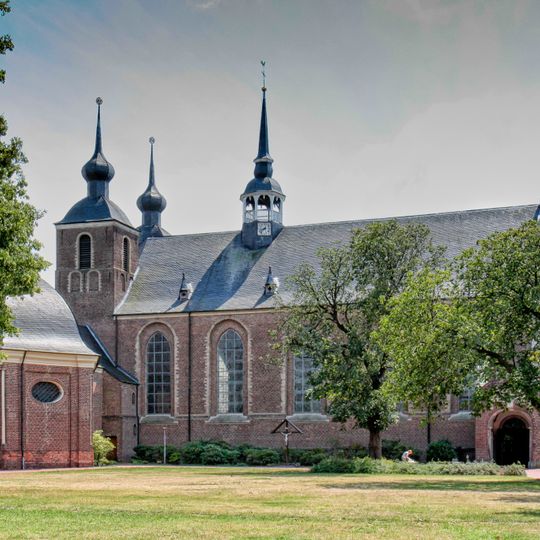
Kamp Abbey, Cistercian abbey and gardens in Kamp-Lintfort, Germany
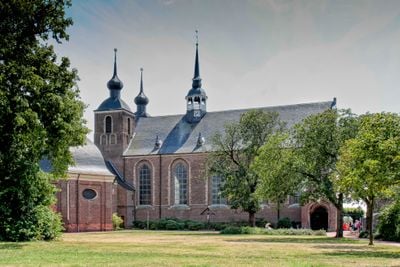
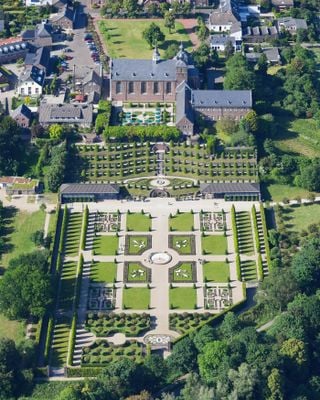
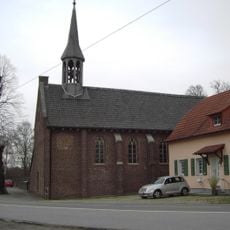
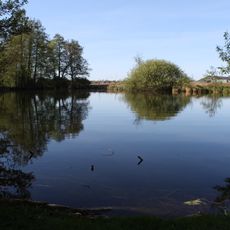
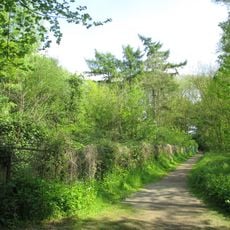
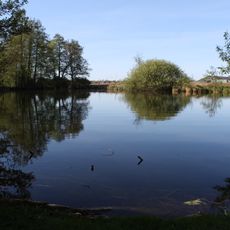
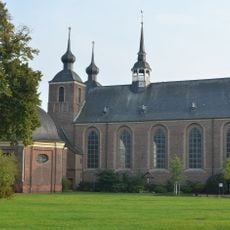
Kamp Abbey is a former Cistercian institution with a Gothic church, museum and landscaped gardens on a hill in Kamp-Lintfort. The terraced grounds surround the monastery buildings and lead from the upper entrance down to the parkland at the base of the site.
The monastery emerged in 1123 as the first Cistercian institution in German-speaking lands and soon began establishing further houses across Europe. Over the centuries it remained a center of monastic life until it lost its original function after secularization.
The name Kamp refers to the field (Latin campus) on which the abbey was built, not to a Roman camp. The monastery church, begun in 1685 under Abbot Andreas Holtmann, keeps a fragment of the skull of Saint Agatha, brought by the first monks from Morimond in 1123. A 1483 chronicle records the local wine with the line "Der Kamper Wein bereitet am Tisch nur Pein".
The grounds work well for a walk through the church, museum and gardens, with paths between the different areas largely accessible. Cultural events take place throughout the year, so checking the current program beforehand is worthwhile.
The terraced gardens were laid out around 1740 and originally served to grow vegetables and fruit for the community. Today fruit trees and beds still grow there, recalling the earlier agricultural use.
The community of curious travelers
AroundUs brings together thousands of curated places, local tips, and hidden gems, enriched daily by 92,671 contributors worldwide.